
.gif)
.png)
.png)
.svg)
.svg)
.png)
.svg)

- Why Consider Silver as an Investment?
- Ways to Invest in Silver in India
- 1. Physical Silver: Coins and Bars
- 2. Digital Silver
- 3. Silver ETFs
- 4. Silver Fund of Funds (FoF)
- 5. Silver Futures and Options on MCX
- How to Start Investing in Silver: A Step-by-Step Process
- Comparing Silver Investment Options: Costs, Risks, and Returns
- Tax Treatment of Silver Investments in India
- Physical Silver
- Silver ETFs and Silver Fund of Funds
- Silver Futures
- Key Factors That Influence Silver Prices
- Is There a Sovereign Silver Bond in India?
- Which Silver Investment Method Is Right for You?
- Should You Buy Silver Now? Balancing Opportunity and Risk
- Build Smart Silver Exposure for the Long Term
- Frequently Asked Questions About Silver Investment in India
MCX futures contracts, Silver ETFs listed on NSE/BSE, Silver Fund of Funds via SIP, and physical silver (coins and bars) are the five main ways for Indian investors to buy silver. The cost, tax treatment, liquidity, and minimum investment for each method are different. Silver ETFs and Fund of Funds are the easiest for most small investors to get into and the least expensive.
Silver is popular in India for two reasons: it is used in solar panels, electric vehicles (EVs), and electronics, and it has also been used for a long time as a way to store value. This guide will show you step-by-step how to invest in silver in India, whether you want to start with ₹500 a month or make a bigger investment.
Why Consider Silver as an Investment?
1. Industrial demand: industrial uses make up roughly 50% of the world’s annual silver demand. Solar panels, EV batteries, semiconductors and medical devices all require the conductivity and antibacterial properties of silver. This structural demand provides a price floor that pure precious metals like gold do not have.
2. Inflation hedge: Silver keeps its value when currencies depreciate. Similarly to gold, silver has been a store of value in times of monetary turmoil and devalued currencies.
3. Cheap: Silver is much cheaper than gold per gram, making it accessible for retail investors looking to enter the precious metals market without spending a lot. Digital silver platforms in India allow purchases starting at ₹1.
4. Silver is much more volatile than gold: It can move up or down by 1.5 to 2 times as much on a percentage basis because it is smaller and more sensitive to industrial demand cycles . Investors need to be comfortable with this volatility before allocating.
5. Silver can be a useful diversifier for investors with a medium to long time horizon who can tolerate some price volatility. Financial planners often suggest allocating 5%-10% of a portfolio to silver.
Ways to Invest in Silver in India
The first step in investing in silver is to select the right form depending on your convenience, risk appetite and investment horizon.
Here are all the five options available to Indian investors.
Also Read: GST Rates and HSN Codes of Silver
1. Physical Silver: Coins and Bars
For those investors who like tangible assets, buying bars or coins from banks, jewellers or BIS-certified dealers is still a preferred option. In India, silver coins and bars are typically available in denominations starting at 10 grams.
When purchasing physical silver, look for:
- BIS hallmark certification confirming 999 fineness (99.9% purity)
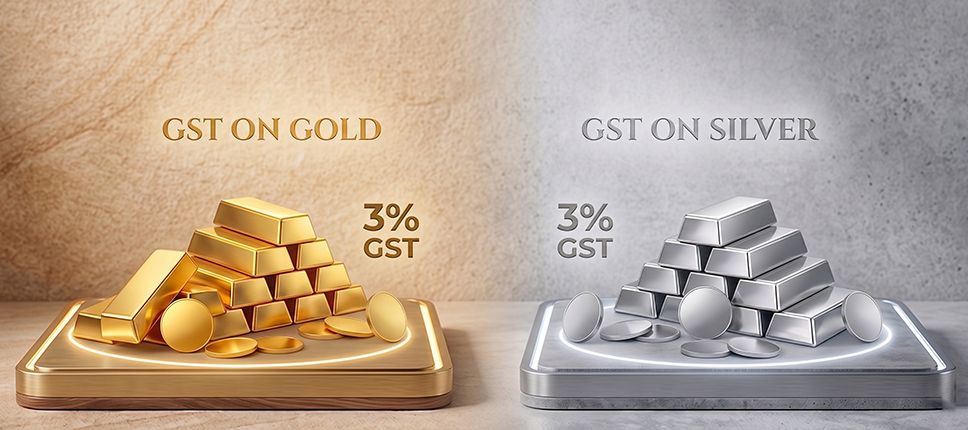
- A proper GST invoice (GST applies at 3% on the purchase value)
- There are fees for making things, like these ones that are put on some coins and most jewelry.
The biggest practical problem is storage. You can keep it in a home safe, a bank locker or a third-party vault. To sell it, you need a buyer, such as a jewellery store or a bullion dealer. The price you will get may be lower than the spot rate.
Best for: Investors who like the idea of physical assets and are comfortable with the logistics of storage and resale.
2. Digital Silver
Digital silver allows you to purchase small quantities of the metal, which are stored in secure insured vaults, without having to wait for delivery or open a demat account. Minimum investments can start as low as ₹1 and you can convert your holding to physical delivery if you wish.
Aditya Birla Capital Digital Silver is a simple and safe way to buy silver digitally, without worrying about storage or purity. It is a good choice for those who want flexible, small-ticket investments tied to silver prices.
Regulatory note: SEBI does not regulate digital silver platforms in the same way as ETFs or mutual funds. Before investing, verify the platform's vault storage arrangements, insurance coverage, and physical delivery terms. For fully regulated exposure, Silver ETFs or Funds of Funds are preferable.
Most platforms have limits on investments, usually a maximum number of coins you can hold. This is why this method works best for regular, smaller purchases rather than big lump sums.
3. Silver ETFs
Silver ETFs (Exchange-Traded Funds) are SEBI-regulated funds listed on NSE and BSE that track domestic silver prices. Each unit of a Silver ETF is backed by physical silver held in custody by the fund, meaning the price of one ETF unit typically corresponds to approximately 1 gram of silver.
Silver ETFs are easy to get price exposure on paper- no worries about storage. You can buy and sell during market hours 9:15 AM to 3:30 PM) through your demat and trading account. They trade like stocks.
Key characteristics:
- Expense ratios typically range between 0.4% and 0.6% per annum
- No GST on ETF unit purchases or redemptions
- No storage cost or purity risk
- High liquidity and can be traded at any time during market hours
- Prices may vary slightly from the spot silver price due to market dynamics
Best for: Investors who want regulated, liquid exposure to silver prices and already have a demat and trading account.
4. Silver Fund of Funds (FoF)
Silver Fund of Funds are mutual funds that invest in Silver ETFs.
The biggest advantage over buying direct ETFs is that you do not need a demat account to buy them, you can buy them through any mutual fund platform or app. This makes them the most accessible entry point for first-time silver investors who already use mutual fund SIPs.
Silver FoFs are SIP friendly and SIP amounts start from as low as ₹500 per month. This helps you increase your silver exposure over a period of time which is good for long term wealth creation.
Key differences from Silver ETFs:
- Slightly higher expense ratio than direct ETFs (due to the double layer of fund costs)
- NAV-based pricing, not real-time like ETFs; prices are set once a day after the market closes.
- No demat account required
- Suitable for SIPs starting at ₹500 per month
Best for: Investors starting out with silver via SIP who do not have a demat account or prefer a mutual fund-style experience.
5. Silver Futures and Options on MCX
The Multi Commodity Exchange (MCX) offers silver futures contracts for investors seeking leveraged exposure to silver price movements. These are advanced instruments and are not suitable for beginners.
MCX silver contract sizes:
- Silver (standard): 30 kg
- Silver Mini: 5 kg
- Silver Micro: 1 kg
To trade futures, you need a commodity trading account and a margin deposit, which can be as little as ₹1 lakh or as much as ₹1 lakh or more, depending on the size of the contract and the prices at the time. The use of leverage means both gains and losses are amplified relative to the capital deployed.
Important: Silver futures are best suited for experienced investors with a clear risk management strategy. High volatility in silver prices can result in losses that exceed the initial margin if positions are not managed carefully.
How to Start Investing in Silver: A Step-by-Step Process
Here's how to start with Silver ETF and Silver FoF, the two easiest ways to do it online.
How to Invest in Silver via Silver ETF
- Open a demat and trading account with a SEBI-registered broker.
- Do your KYC. You will need your PAN card and Aadhaar to prove who you are.
- You can do this through net banking or UPI.
- Search for Silver ETFs listed on NSE or BSE using their ticker symbol.
- Place a buy order during market hours (9:15 AM to 3:30 PM on trading days).
- Your Silver ETF units will appear in your demat account once the trade settles (T+1).
- Monitor your holdings and track silver prices through your broker's app or platform.
How to Invest in Silver via Silver Fund of Funds (No Demat Required)
- Complete KYC on a mutual fund platform or app. PAN and Aadhaar is required.
- Search for 'Silver Fund of Funds' or 'Silver FoF' in the fund listings.
- Choose between a lump-sum investment or a SIP.
- If opting for SIP, set your monthly amount (minimum ₹500) and investment date.
- Confirm your bank mandate for auto-debit (for SIP).
- Track your investment's NAV and portfolio performance through the platform's dashboard.
The ABCD app by Aditya Birla Capital lets you look at different ways to invest in silver, such as Digital Silver and mutual fund SIPs. It gives you a single place to keep an eye on prices, invest, and manage your portfolio.
Comparing Silver Investment Options: Costs, Risks, and Returns
The following table shows the most important factors that affect your choice for all five ways to invest in silver: the minimum investment, the demat requirement, the GST, storage, liquidity, and risk level.
| Investment Type | Min. Investment | Demat Required | GST | Storage Cost | Liquidity | Risk Level |
|---|---|---|---|---|---|---|
| Physical Silver | ~₹500 (1g coin) | No | 3% on purchase | Yes (home/locker) | Low | Moderate |
| Digital Silver | ₹1 | No | Platform-dependent | None (vault) | Moderate | Moderate |
| Silver ETF | ~₹1 per unit* | Yes | None on units | None | High | Market-linked |
| Silver FoF | ₹500/month (SIP) | No | None on units | None | Moderate | Market-linked |
| Silver Futures | ~₹1 lakh margin | No† | None | None | Very High | High |
*One Silver ETF unit price approximates 1 gram of silver at prevailing market prices. † MCX futures require a commodity broker account, not a standard equity demat account.
Which method suits which investor:
- Silver FoF is the best starting point for SIP investors or those without a demat account.
- Silver ETF suits active investors who want real-time trading and already have a demat account.
- Physical silver works for those who want tangible ownership and are set up for storage.
- Digital silver is a flexible option for small purchases, with the caveat that it is not SEBI-regulated.
- Silver futures are only for experienced investors with dedicated commodity trading knowledge and risk controls.
Tax Treatment of Silver Investments in India
The tax treatment of your silver investment depends on the method used and how long you hold it. Here is a breakdown by investment type.
| Investment Type | Short-term (< 24 months) | Long-term (≥ 24 months) | GST on Purchase |
|---|---|---|---|
| Physical Silver | Slab rate | 12.5% without indexation | 3% |
| Silver ETF | Slab rate | 12.5% without indexation benefit | None on units |
| Silver FoF | Slab rate | 12.5% without indexation benefit | None on units |
| Digital Silver | Slab rate | 12.5% without indexation benefit | Platform-dependent |
| Silver Futures | Taxed as business income | Taxed as business income | None |
Physical Silver
Gains from selling physical silver are treated as capital gains. If held for less than 24 months, profits are added to your taxable income and taxed at your applicable slab rate (Short-Term Capital Gains). If held for 24 months or more, Long-Term Capital Gains (LTCG) tax applies at 12.5% without indexation benefit, which adjusts the purchase price for inflation and can meaningfully reduce your tax liability.
Silver coins, bars, and jewelry all cost 3% more when you buy them with GST. You pay this to get in, not to buy something.
Silver ETFs and Silver Fund of Funds
Silver ETFs and Silver FoFs are treated as non-equity mutual funds for tax purposes. The same 24-month holding period applies: STCG (under 24 months) is taxed at slab rate; LTCG (24 months or more) is taxed at 12.5% without indexation benefit. There is no GST on ETF units or FoF units on purchase or redemption.
Silver Futures
Gains from silver futures trading on MCX are taxed as business income, not capital gains. This means they are added to total income and taxed at the applicable slab rate, with no differentiation for holding period. This tax treatment is less favourable for frequent traders in higher tax brackets.
Disclaimer: Tax rules are subject to change. The above is general information and should not be construed as tax advice. Readers are advised to consult a qualified tax advisor for guidance specific to their situation.
Key Factors That Influence Silver Prices
Understanding what moves silver prices helps you put short-term volatility in context and make more informed allocation decisions.
- Industrial demand: Solar panels, EVs, electronics, and medical devices consume a significant and growing share of global silver output. Unlike gold, which is mostly stored, the growing use of clean energy technology is a long-term structural demand driver.
- Gold-to-silver ratio: The gold-to-silver ratio measures how many ounces of silver it takes to buy one ounce of gold. Historically, the ratio has ranged from 40:1 to 80:1. When the ratio is elevated, silver may be considered undervalued relative to gold, and vice versa.
- US dollar strength: Silver is priced in US dollars on global markets. A stronger dollar typically exerts downward pressure on silver prices (since it makes silver more expensive for buyers in other currencies), while a weaker dollar tends to support prices.
- Global interest rates: When interest rates rise, the opportunity cost of holding assets that don't earn interest, like silver, goes up. Investors may choose instruments that earn interest instead. On the other hand, silver prices tend to rise when interest rates go down.
- Supply factors: Silver is primarily mined as a by-product of lead, zinc, copper, and gold mining. Changes in mining output, recycling rates, and refining capacity all affect available supply. Supply disruptions can amplify price moves in either direction.
Warning: Silver price prediction is uncertain. This section discusses historical price influences, not forecasts. Avoid investing based on short-term price targets.
Is There a Sovereign Silver Bond in India?
No. As of now, the Government of India does not offer a Sovereign Silver Bond (SSB) scheme. The government-backed, interest-bearing Sovereign Gold Bond (SGB) is only available for gold.
The absence of a sovereign silver scheme means investors cannot access the unique benefits of SGBs (2.5% annual interest, no capital gains tax on redemption at maturity, and government backing) for silver investments.
The closest regulated alternatives for paper-based silver exposure in India are:
- Silver ETFs: SEBI-regulated, listed on NSE/BSE, backed by physical silver
- Silver Fund of Funds: Mutual fund structure, SIP-friendly, no demat required
Both options provide transparent, regulated exposure to silver prices without the risks associated with physical storage or unregulated digital platforms.
Which Silver Investment Method Is Right for You?
The right method depends on your starting point, risk tolerance, and investment goals:
- Beginner with no demat account: Start with a Silver Fund of Funds via SIP (₹500/month minimum). This gives regulated, systematic exposure without needing to open a trading account. Once comfortable, you can consider adding a Silver ETF as a second step.
- SIP investor building long-term wealth: Silver FoF through a SIP is the most practical and cost-efficient route. Regular monthly investments average out your entry price over time, reducing the impact of short-term volatility.
- Active investor with a demat account: Silver ETF offers real-time pricing, high liquidity, and regulated exposure. You can buy and sell during market hours and track performance directly in your demat account.
- Physical asset buyer: Physical silver coins or bars from BIS-certified dealers suit investors who want tangible ownership. Factor in the 3% GST on purchase and storage costs when calculating your effective entry price.
- Experienced commodity trader: MCX silver futures offer leveraged exposure for those with commodity trading knowledge and a risk management plan. Not suitable for beginners or long-term investors.
- Consumer checklist before buying silver: Verify BIS hallmark and 999 fineness for physical silver. Check the expense ratio before choosing a Silver ETF or FoF. Confirm the platform's vault and insurance arrangements before using digital silver. Always invest through SEBI-registered or BIS-certified channels.
Should You Buy Silver Now? Balancing Opportunity and Risk
With silver prices influenced by both global macro factors and domestic market dynamics, the question of timing is a common one. The honest answer is that timing any commodity market consistently is not a reliable strategy.
SIPs for FoFs or tranched ETF purchases can average out your entry price instead of chasing momentum. Strong solar, EV, and electronics demand is reshaping silver's long-term outlook, which supports a case for considered, disciplined allocation.
Reasons supporting a silver allocation:
- Structural demand growth from renewable energy and electric mobility
- Portfolio diversification benefits during periods of inflation and currency volatility
- Lower entry point compared to gold, enabling smaller initial investments
Risks to consider:
- Sharp price rallies often invite profit-taking and short-term corrections
- Prices that are too high can make some industries' demand less sensitive.
- Silver does not earn dividends or interest, so it does not produce income.
- Storage costs and resale friction for physical silver
It's more important to plan your investments and spread them out than to try to time short-term price peaks. Aditya Birla Capital can also help investors with their silver investments through regulated platforms, market insights, and investment solutions like ETFs and mutual funds. Their advice is based on research.
Build Smart Silver Exposure for the Long Term
Understanding how to invest in silver is about aligning investment methods with your personal financial goals, risk tolerance, and time horizon. Silver ETFs and Fund of Funds provide the most accessible and regulated routes for most retail investors, while physical silver and digital silver offer tangible and flexible alternatives.
Rather than chasing momentum, consider gradual exposure through ETFs or regulated platforms. If you have the right amount of it, silver can be a valuable addition to a diversified investment portfolio. This is especially true for people who want to invest in things other than stocks and gold.
The ABCD app by Aditya Birla Capital lets investors look at different ways to invest in silver, such as Digital Silver, Silver ETFs, and mutual funds. It also gives you a single place to track prices, make investments, and manage your portfolio.
Also Read: Digital Gold Investment: Is It the Right Choice For You?
Frequently Asked Questions About Silver Investment in India
Is silver a good investment in India?
Silver’s inflation-hedging properties and industrial demand drivers make it a useful diversifier in a portfolio. Silver is more volatile than gold, making it a suitable option for investors with a medium to long-term investment horizon who can tolerate swings in price, he said. Most financial planners recommend a 5%-10% portfolio allocation to silver.
Does India have a Sovereign Silver Bond like the Sovereign Gold Bond?
Not in the least. Currently, there is no Sovereign Silver Bond scheme implemented by the Indian government. You can only buy the Sovereign Gold Bond (SGB) for gold. Silver ETFs and Silver Fund of Funds are regulated alternatives for investors who want to buy silver on paper, but they don't offer the interest income or government backing that SGBs do.
Is GST applicable on silver investments?
When you buy silver coins, bars and jewellery you have to pay 3% GST. You do not pay GST when you buy or sell Silver ETF or Silver Fund of Funds units. Digital silver purchases may be subject to GST depending on the platform set up and billing.
How volatile is silver compared to gold?
Silver is generally more volatile than gold. Because it’s a smaller market and more sensitive to the cycles of industrial demand, its price can move sharply in either direction. Historically, silver’s price swings have been about 1.5 to 2 times greater than gold’s on a percentage basis, so position sizing and phased entry are important for silver investors.
What is the minimum amount needed to invest in silver in India?
Minimum investment amount varies by method Digital silver platforms allow you to buy from ₹1 Silver Fund of Funds SIPs can be started at ₹500 per month Silver ETFs require a minimum purchase of 1 unit (roughly the price of 1 gram of silver) Physical silver coins usually start at around ₹500–₹1,000 depending on the weight and the dealer
Can I invest in silver without a demat account?
Yes, but you do not need a demat account to buy silver through a silver fund of funds or a digital silver platform. Silver ETFs, on the other hand, require a demat and trading account because they are traded on stock markets. You don't need a demat account to buy silver in person either; you can go to a bank, jeweler, or certified dealer and buy it that way.
How do I sell my Silver ETF investment?
Selling a silver ETF is just like selling any other listed stock on your demat and trading account during the trading hours of the stock exchanges (9:15 AM to 3:30 PM on NSE/BSE). After the standard T+1 settlement cycle, the money from the sale is sent to the linked bank account.
Is digital silver safe to invest in?
Digital Silver is held in insured vaults by the platform provider, but it is not regulated by SEBI like Silver ETFs or mutual funds. Investors should check the platform’s vault storage arrangements, insurance cover and terms for physical delivery before investing. For regulated exposure, Silver ETFs or Fund of Funds are preferable.
The information contained herein is generic in nature and is meant for educational purposes only. Nothing here is to be construed as an investment or financial or taxation advice nor to be considered as an invitation or solicitation or advertisement for any financial product. Readers are advised to exercise discretion and should seek independent professional advice prior to making any investment decision in relation to any financial product. Aditya Birla Capital Group is not liable for any decision arising out of the use of this information.
.svg)


.webp)
