होम फाइनेंस
 व्यक्तिगत फाइनेंस
 SME फाइनेंस
 सिक्योरिटीज़ पर लोन
 अपना बिज़नेस
 म्यूचुअल फंड
 स्टॉक व सिक्योरिटीज़
 पोर्टफोलियो मैनेजमेंट सेवाएं
 पेंशन फंड
 रियल एस्टेट इन्वेस्टमेंट
 लाइफ इंश्योरेंस
 हेल्थ इंश्योरेंस
 मल्टीप्लाई वेलनेस
 वाहन इंश्योरेंस
 ट्रैवल इंश्योरेंस
 Pay Bills
 Pay anyone
 Pay on call
 Payment Lounge
 ABC Credit Cards



 1800-270-7000

 ENG
ENG 


परिचय
Rock salt, or sendha namak as it is traditionally known, has been an ingredient in the daily Indian diet for ages and has been valued for its organic and natural nutrition. Compared to processed table salts, rock salt is a mineral-rich natural alternative that is good for many things, like digestion, hydration, and much more.
So, is rock salt good for health, or just another health trend that got popular recently? In this guide, we will explore its overall nutritional value to determine if it can improve your overall health. Let’s dive in.
What is rock salt (sendha namak)?
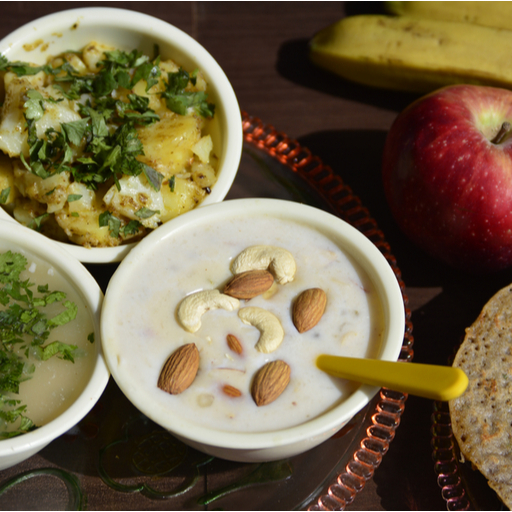
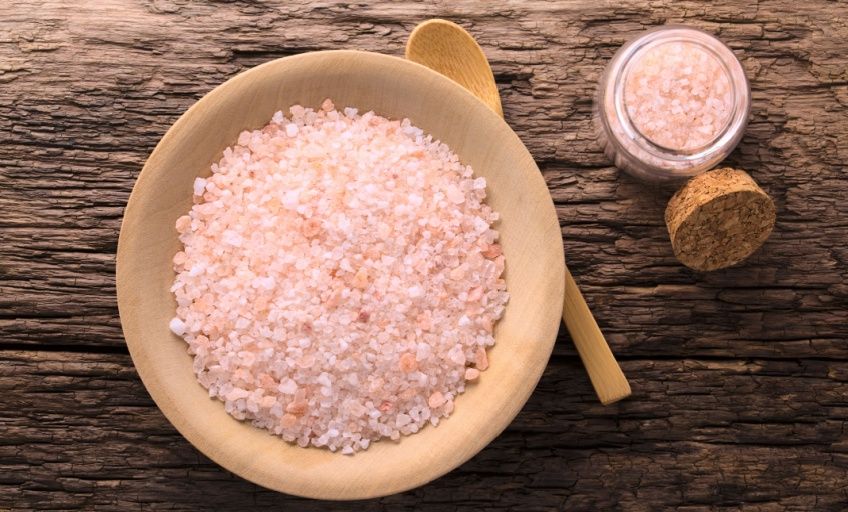
जब कोई व्यक्ति व्रत रखता है, तो उसके भोजन पर कुछ प्रतिबंध लगते हैं, जैसे मांस, प्याज, लहसुन और नमक. हिमालयन क्रिस्टल सॉल्ट या हिमालय क्रिस्टल सॉल्ट या सेंधा नमक या काला नमक, के नाम से लोकप्रिय काला नमक सात्विक आहार का एक तत्व है क्योंकि इसे सभी रसायनों या विषाक्त पदार्थों से मुक्त, सबसे शुद्ध नमक माना जाता है. इस गुलाबी रंग के नमक को शाकाहारी नमक माना जाता है क्योंकि इसे समुद्र के पानी से नहीं बनाया जाता और इसका इस्तेमाल धार्मिक उद्देश्यों के लिए किया जाता है, मुख्य रूप से व्रत के दौरान.
Health benefits of rock salt
Here are some of the main rock salt benefits, if used moderately in your daily diet and lifestyle.
Aids digestion and gut health
Enzymes in your digestive system are responsible for creating an acidic environment in your stomach. Rock salt can activate these digestive enzymes, which improves your overall digestion and reduces bloating or gas issues. Moreover, rock salt can also help your body absorb nutrients more efficiently due to its rich trace mineral content.
Helps maintain electrolyte balance
Rock salt has high amounts of sodium and minerals. Therefore, using rock salt can help retain fluids in the body and help transmit messages through the nerves, muscular contractions, etc. During periods when there is a loss of fluids or when someone is dehydrated, using rock salt will assist in maintaining electrolyte balance.
Supports metabolism and hydration
Rock salt helps in retaining fluids in your body and regulates your body’s water absorption ability when you consume sufficient fluids. This improves your body’s cellular hydration and metabolic function.
May help relieve muscle cramps
The sodium and trace minerals in rock salt can maintain muscle contraction and help to reduce the incidence of muscle cramps that occur after physical activity.
Helps soothe sore throat and respiratory discomfort
Rock salt has another benefit that is quite a common practice in Indian households – treating sore throats and improving respiratory functions. Mixing a pinch of rock salt in warm water and gargling helps in soothing your throat, reducing any irritations, loosening your mucus for better release, and improving your respiratory flow.
Supports immunity with trace minerals
Rock salts are rich in trace minerals like iron and magnesium. These minerals are important for a healthy immune cell function. Rock salts have trace minerals in natural form and help your body recover from any infections efficiently.
Promotes skin health
Another traditional use of rock salts is to use them as a scrub or mix them with warm water while bathing. They help in exfoliating any dead skin cells and increasing blood circulation, which leads to healthy-looking skin.
Helps reduce stress and improve sleep quality
With good digestion, reduced bloatiness or gas, and relaxed muscles, your stress levels can be reduced. Rock salts can help with all of this, which can calm your nervous system and significantly improve the quality of your sleep
How to use rock salt in daily life
There are many ways in which you can use rock salt in your daily life, and it is quite easy to do so. Here are some of those ways:
Using rock salt in cooking
Using rock salt as seasoning according to your taste instead of regular table salt is quite common. Since it is not processed, it retains more minerals. Use it sparingly to add flavour to your food, as it will significantly improve your health compared to using processed salt in your daily diet.
Rock salt water for digestion
One of the most common uses of rock salt traditionally is drinking warm water with a small pinch of rock salt on an empty stomach. It helps activate your digestive enzymes and improves your digestive process for the day.
Rock salt gargle for a sore throat
Gargling warm water with rock salt will help alleviate irritation of the throat and promote thinning of mucus. It also provides short-term relief from pain.
Rock salt bath or scrub for skin care
Rock salt is often used in warm baths or mild scrubs to help exfoliate dead skin cells and improve blood circulation. It can leave the skin feeling clean and refreshed when used gently, followed by proper moisturising. Avoid scrubbing on sensitive or broken skin.
Rock salt vs regular salt: Which is better?
Regular salt and rock salt have a lot in common, but they are processed and intended for very different purposes when used. Some find appeal in rock salt being minimally processed with zero additives, and some find appeal in table salt being rich in iodine. With regular table salt’s richness in iodine, you can maintain your thyroid health more efficiently.
When it comes to the overall nutritional value, there is no competition between rock salt and table salt. Rock salt does not contain an adequate amount of iodine compared to table salt, and if your diet does not provide you with enough iodine, then you would be better off using table salt. In every other aspect, however, the mineral content of rock salt throws the competition in its favour. The bottom line is that you should balance the use of rock salt and table salt, instead of completely removing one.
Side effects and disadvantages of rock salt
Despite these advantages, rock salt also has one potential disadvantage.
Low iodine content
Relying entirely on rock salt can lead to iodine deficiency syndrome, and excessive consumption can result in high blood pressure, muscle weakness, and fatigue.
Despite this disadvantage, rock salt’s versatility makes it beneficial for health, beauty, culinary, and environmental uses. However, it should be consumed in moderation to avoid potential negative health impacts.
Excess sodium intake risks
Both rock salt and table salt are similar in their sodium levels. Hence, all the risks that come with excessively consuming table salt come with rock salt as well. You can develop heart conditions, high blood pressure, and kidney issues with excess intake of rock salt, too. So, use it sparingly in your daily diet.
Who should avoid rock salt?
If you fall under the following categories of conditions or lifestyle, you should limit your use of rock salt:
- Heart conditions
- Poor vascular health
- Kidney issues
- हाइपरटेंशन
- थाइरॉइड संबंधी समस्याएं
- Iodine deficiency
- गर्भवती महिलाएं
It is recommended to get a checkup from a specialist, who may recommend avoiding rock salt in your diet if your condition is severe.
Key Takeaways
- Although low in iodine, rock salt is a chemical and toxin-free pure salt.
- It maintains electrolyte balance, supports digestive health, regulates sodium levels, cools the body, and boosts metabolism.
- It also strengthens immunity, treats sore throats, regulates the sleep cycle, helps purify the air, and rejuvenates the skin.