होम फाइनेंस
 व्यक्तिगत फाइनेंस
 SME फाइनेंस
 सिक्योरिटीज़ पर लोन
 अपना बिज़नेस
 म्यूचुअल फंड
 स्टॉक व सिक्योरिटीज़
 पोर्टफोलियो मैनेजमेंट सेवाएं
 पेंशन फंड
 रियल एस्टेट इन्वेस्टमेंट
 लाइफ इंश्योरेंस
 हेल्थ इंश्योरेंस
 मल्टीप्लाई वेलनेस
 वाहन इंश्योरेंस
 ट्रैवल इंश्योरेंस
 Pay Bills
 Pay anyone
 Pay on call
 Payment Lounge
 ABC Credit Cards



 1800-270-7000

 ENG
ENG 


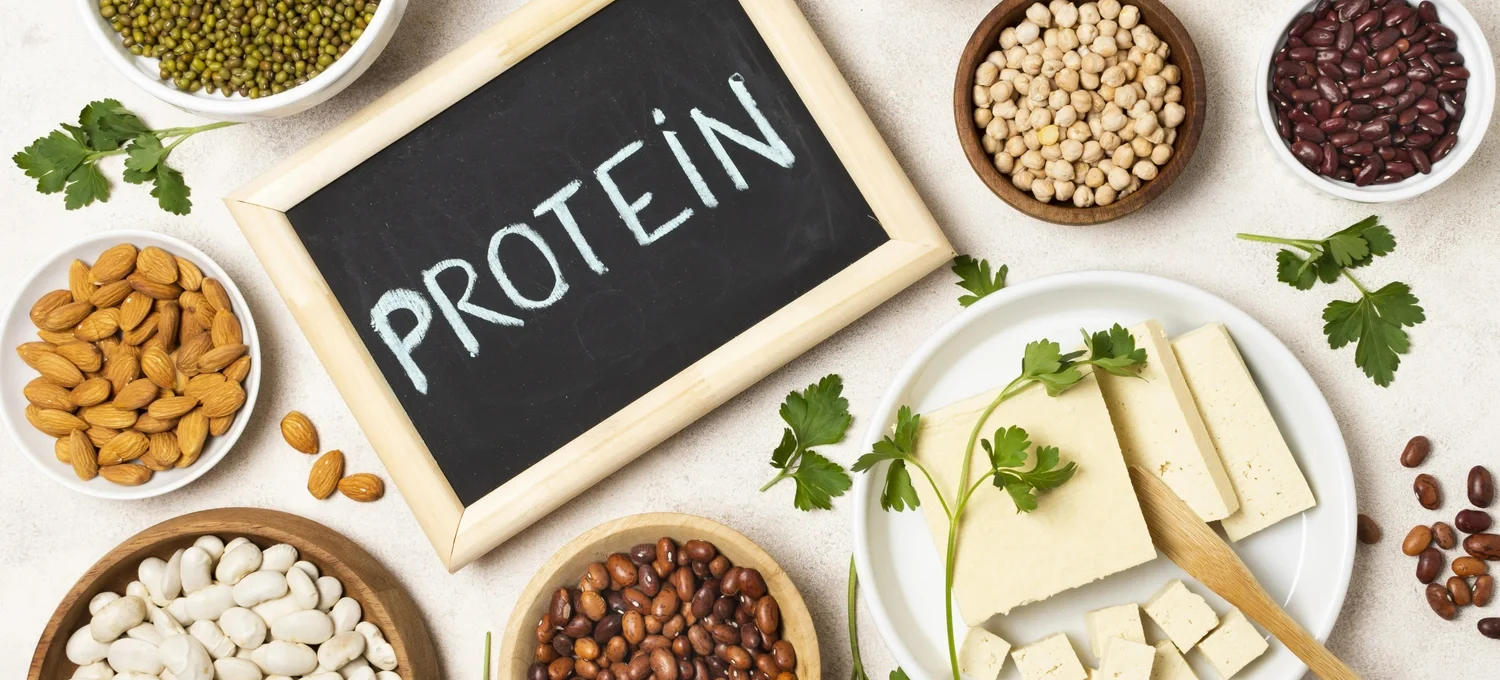
A growing number of Indians are turning to plant-based protein nowadays. Along with regular exercise and medical care, a diet rich in plant foods controls cholesterol, blood pressure, and overall heart health.
Understanding the Link Between Plant-Based Proteins and Heart Health
Protein is needed for muscle, hormones, enzymes, and tissue repair. But the difference lies in the source.
- Animal protein sources come with more saturated fat and cholesterol, and increase the risk of heart attacks.
- Plant protein सूत्र are cholesterol-free, lower in saturated fat, and rich in fibre and minerals that support heart health and blood pressure.
Why Switching to Plant Proteins Can Benefit Your Heart
The benefits below highlight how swapping to plant protein can create meaningful improvements.
1 Lower Cholesterol Levels
Many plant-based protein foods are rich in soluble fibre, which binds to cholesterol in the digestive tract and removes it from the body. Pulses, as well as oats and barley, can help reduce LDL (“bad”) cholesterol levels.
2 Reduced Risk of Heart Disease
Replacing animal sources with plant-based protein lowers the risk of heart disease and related complications. Diets rich in legumes, nuts, seeds, and whole grains protect blood vessels and reduce inflammation.
3 Better Blood Pressure Management
Plant foods provide potassium, magnesium, and nitrates that support healthier blood pressure. Beans, peas, leafy greens, and seeds can be powerful allies for people with mild hypertension.
4 Improved Weight Control
Many plant based protein sources are high in fibre and have a lower energy density than fried or processed meats. So, you remain full with relatively fewer calories.
If you are interested in overall weight control, exploring a Plant-Based Diet for Weight Loss can complement these choices.
Top Plant-Based Protein Sources for Heart Health
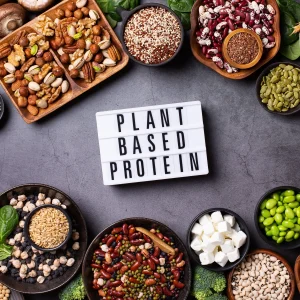
A heart-friendly diet does not have to feel restrictive. Indian cuisine already includes a wide range of plant-based protein foods.
1 Lentils
Masoor, moong, and toor dal are familiar staples in Indian kitchens. Lentils provide protein, complex carbohydrates, iron, and fibre, making them a versatile plant based protein.
2 Chickpeas
Chole, hummus, and roasted chana all come from chickpeas. They are rich in protein, fibre, folate, and minerals that support heart and gut health.
3 Beans (Kidney, Black, Pinto)
Rajma, black beans, and other varieties offer high-quality plant based protein along with fibre and antioxidants. Rajma chawal, bean salads, and bean-based soups can be hearty, heart-friendly meals.
4 Soy and Tofu
Soybeans have a complete protein profile. Basically, they contain all essential amino acids. Soy tofu is low in saturated fat. It can be marinated, grilled, or added to curries as a substitute for paneer.
5 Edamame
Young green soybeans, or edamame, can be steamed and lightly seasoned as a snack or used in stir-fries and salads. They are rich in plant based protein and fibre.
6 Quinoa
This plant based protein source cooks like rice, but provides more protein and fibre per serving. It can be used for upma-style dishes, salads, or as a base for Buddha bowls.
7 Nuts and Seeds
Almonds, walnuts, pistachios, flaxseeds, chia seeds, and sunflower seeds provide plant protein benefits along with healthy fats.
8 Green Peas
Commonly used in matar paneer or vegetable pulao, green peas offer notable amounts of plant based protein, vitamin C, and fibre.
9 Tempeh
Tempeh is a fermented soy product, rich in protein and probiotics. It has a firm texture and nutty taste, and works well in stir-fries, wraps, and rice bowls.
10 Amaranth and Millet
Traditional Indian grains like rajgira (amaranth), jowar, bajra, and ragi provide protein, fibre, and minerals. Swapping refined rice or maida-based foods with millets can support heart health.
How Plant Proteins Differ from Animal Proteins
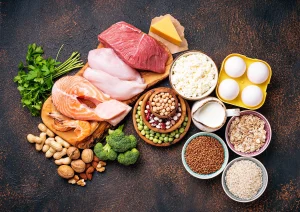
Although both plant and animal proteins provide essential nutrients, their impact on heart health can differ significantly.
1 Amino Acid Profile
Animal proteins are usually complete proteins. Many plant proteins are “incomplete,” but by eating a variety of foods like pulses, whole grains, nuts, and seeds, you can still obtain all essential amino acids.
2 Fat and Cholesterol Content
Most plant based protein foods contain little or no saturated fat and are naturally free of cholesterol. In contrast, fatty cuts of meat and full-fat dairy can increase LDL cholesterol and cardiovascular risk.
3 Digestibility and Nutrient Absorption
Some plant proteins contain fibre and natural compounds like phytates, which may slightly reduce the absorption of certain minerals. Soaking, sprouting, and fermenting (for example, sprouts, idli batter, tempeh) can improve digestibility and nutrient availability while preserving the heart-friendly benefits of plant based protein.
Easy Ways to Add More Plant Protein to Your Diet
1 Swap Meat with Legume-Based Dishes
- Choose rajma, chole, sambhar instead of mutton or processed meats.
- Try a Plant-Based Nutrition approach by building your plate around vegetables, whole grains, and legumes first.
2 Add Tofu or Tempeh to Stir-Fries
- Use tofu or tempeh in place of paneer or chicken in stir-fries or gravies.
- Marinate them with Indian spices, ginger, garlic, and lemon for flavourful, protein-rich meals.
3 Blend Nuts and Seeds into Smoothies
- Add a spoon of peanut butter, almonds, or flaxseeds to smoothies, porridge, or curd.
- Use small portions, as nuts and seeds are calorie-dense.
4 Choose Plant-Based Protein Snacks
- Roasted chana, sprouts bhel, nut mixes can replace deep-fried snacks.
- These options provide plant based protein along with fibre and healthy fats.
Common Myths About Plant Proteins and Heart Health
1 Plant Proteins Don’t Provide Enough Nutrients
A well-planned diet based on diverse plant based protein sources can offer sufficient protein, iron, zinc, and other nutrients. Fortified foods and vitamin B12 from supplements or dairy may be needed for strict vegans who avoid all animal products.
2 You Need Meat for Muscle Strength
Recent research suggests that appropriately planned plant protein blends can support muscle recovery and growth, especially when total protein needs are met.
3 Plant-Based Diets Are Too Restrictive
Indian cuisine already offers many naturally plant-forward dishes. With a bit of planning, plant-based protein can fit into idlis, dosas, parathas, pulao, salads, and snacks without making meals monotonous.
Expert Tips for a Balanced Plant-Protein Diet
- Include pulses or legumes in at least one or two meals daily.
- Combine grains and legumes for a more complete plant based protein profile.
- Rotate your plant based protein foods: lentils one day, chickpeas the next, then tofu, millets, nuts, and seeds.
- Limit deep-fried preparations and opt for grilled, steamed, pressure-cooked, or lightly sautéed versions.
- If you already have heart disease, diabetes, kidney disease, or high blood pressure, consult your doctor or dietitian before making major dietary changes.
A Much-Needed Shift
Shifting towards plant-based protein is a practical and culturally compatible way for many Indians to support heart health.
आदित्य बिरला हेल्थ इंश्योरेंस encourages you to discuss dietary changes with your healthcare provider. So, your nutrition choices, medical treatment, and health cover work together to protect your heart.
अक्सर पूछे जाने वाले प्रश्न
Diets that emphasise plant based protein and limit red and processed meat are associated with lower risks of heart disease and related complications.
Protein needs vary by age, body weight, and health status. Many adults can aim for around 0.8–1 gram of protein per kilogram of body weight per day, preferably with a higher share from plant based protein.
By eating a varied mix of pulses, whole grains, nuts, seeds, soy products, and vegetables across the day, you can obtain all essential amino acids from plant based protein sources.
For most people, moderate amounts of traditional soy foods like tofu, tempeh, and soy milk are considered safe. Those with specific medical conditions or on certain medicines should check with their cardiologist first.
Some heart-friendly Indian plant based protein options include lentils (moong, masoor, toor), chickpeas, rajma, black chana, green peas, soy and tofu, nuts, seeds, and whole grains.