होम फाइनेंस
 व्यक्तिगत फाइनेंस
 SME फाइनेंस
 सिक्योरिटीज़ पर लोन
 अपना बिज़नेस
 म्यूचुअल फंड
 स्टॉक व सिक्योरिटीज़
 पोर्टफोलियो मैनेजमेंट सेवाएं
 पेंशन फंड
 रियल एस्टेट इन्वेस्टमेंट
 लाइफ इंश्योरेंस
 हेल्थ इंश्योरेंस
 मल्टीप्लाई वेलनेस
 वाहन इंश्योरेंस
 ट्रैवल इंश्योरेंस
 Pay Bills
 Pay anyone
 Pay on call
 Payment Lounge
 ABC Credit Cards



 1800-270-7000

 ENG
ENG 



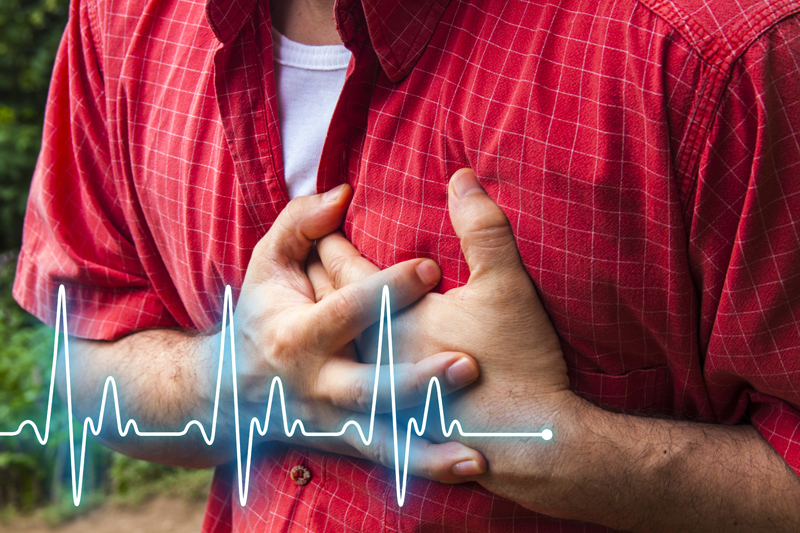
The terms “heart attack” and “cardiac arrest” are often used interchangeably. However, they are not the same. Understanding heart attack vs cardiac arrest can help you recognise symptoms early, respond correctly, and get timely medical care.
Quick Overview
Here’s a simple summary of heart attack vs cardiac arrest:
- Heart Attack: A circulation problem. Blood flow to a part of the heart is blocked.
- Cardiac Arrest: An electrical problem. The heart suddenly stops beating.
Both are emergencies, but they affect the body differently.
Understanding Heart Attack
A heart attack (myocardial infarction) occurs when a coronary artery gets blocked. Without immediate treatment, parts of the heart muscle begin to die.
Common Signs of a Heart Attack
- Chest pain or tightness
- Discomfort in the arms, jaw, back, or stomach
- Nausea, cold sweats, or clammy skin
- सांस फूलना
- Unusual fatigue, especially in women
Heart attacks develop gradually or strike suddenly. Some people experience mild symptoms.
Understanding Cardiac Arrest
Cardiac arrest is a sudden, unexpected loss of heart function. When the heart stops pumping blood, vital organs are deprived of oxygen within seconds.
Common Signs of Cardiac Arrest
- Sudden collapse
- No pulse
- No breathing or gasping
- Loss of consciousness
Heart Attack vs. Cardiac Arrest: Key Differences
Understanding the difference between heart attack and cardiac arrest helps you act quickly in a crisis.
Nature of the Condition
- Heart Attack: Blocked blood flow
- Cardiac Arrest: Electrical malfunction
Onset
- Heart Attack: Often gradual; symptoms that may last minutes to hours
- Cardiac Arrest: Immediate and without warning
लक्षण
- Heart Attack: Pain, discomfort, breathing difficulty, sweating
- Cardiac Arrest: Collapse, unconsciousness, no breathing, no pulse
Immediate Response
- Heart Attack: Keep the person calm and get medical help
- Cardiac Arrest: Requires CPR and defibrillation within minutes
Both conditions are serious. But cardiac arrest causes instant, life-threatening consequences.
How Both Conditions are Connected
A severe heart attack can lead to cardiac arrest, but many cardiac arrests occur due to arrhythmias, heart failure, trauma, or electrolyte imbalance.
This connection makes public awareness of heart attack vs cardiac arrest crucial for timely and accurate response.
Recognising an Emergency
Fast recognition saves lives. Here’s how you can identify each emergency and respond appropriately.
What to do in a suspected heart attack
- Call emergency services immediately.
- Keep the person seated and calm.
- Loosen tight clothing.
- Offer an aspirin (if not allergic and recommended by a doctor).
- Monitor their breathing and pulse while waiting for medical assistance.
What to do during sudden cardiac arrest (CPR & AED)
- Call emergency services immediately.
- Check responsiveness by tapping on the shoulders and calling out.
- Start CPR:
- Push hard and fast in the centre of the chest
- Aim for 100–120 compressions per minute
- Use an AED (Automated External Defibrillator) if available:
- Turn it on
- Follow the voice instructions
- Deliver a shock if advised
- Do not stop CPR until medical professionals take over or the person regains consciousness.
Prevention Tips
Both conditions share common risk factors. Hence, you need heart-healthy lifestyle choices.
- Maintain a balanced diet rich in fruits, vegetables, and whole grains
- Engage in regular physical activity
- Monitor cholesterol, blood pressure, and respiratory rate and heart health markers
- Avoid tobacco and limit alcohol
- स्वस्थ वज़न बनाए रखें
- Manage stress effectively
- Attend regular medical check-ups
When to Seek Medical Help
Seek immediate medical attention if you notice:
- Persistent chest pain
- Sudden shortness of breath
- Fainting or near-fainting episodes
- Heart palpitations
- Severe dizziness
- Episodes of unexplained fatigue
Prompt medical care helps identify heart conditions early and prevents complications.
Tackling Heart Attack vs Cardiac Arrest
Understanding heart attack vs cardiac arrest empowers you to take the right steps in a life-threatening situation. While both conditions involve the heart, their causes, symptoms, and emergency responses differ significantly. By recognising warning signs early, you can protect your heart and get timely care.
अक्सर पूछे जाने वाले प्रश्न
Yes, a severe heart attack disrupts the heart’s rhythm and leads to cardiac arrest.
Both are dangerous. But cardiac arrest is immediately fatal without quick CPR and defibrillation.
Not always, but any unexplained chest discomfort needs a doctor’s visit.
You can reduce the risk of both by managing your lifestyle and going for regular check-ups.
Call emergency services, check breathing, and begin CPR immediately.
Chronic stress increases the long-term risk of both conditions.