होम फाइनेंस
 व्यक्तिगत फाइनेंस
 SME फाइनेंस
 सिक्योरिटीज़ पर लोन
 अपना बिज़नेस
 म्यूचुअल फंड
 स्टॉक व सिक्योरिटीज़
 पोर्टफोलियो मैनेजमेंट सेवाएं
 पेंशन फंड
 रियल एस्टेट इन्वेस्टमेंट
 लाइफ इंश्योरेंस
 हेल्थ इंश्योरेंस
 मल्टीप्लाई वेलनेस
 वाहन इंश्योरेंस
 ट्रैवल इंश्योरेंस
 Pay Bills
 Pay anyone
 Pay on call
 Payment Lounge
 ABC Credit Cards



 1800-270-7000

 ENG
ENG 


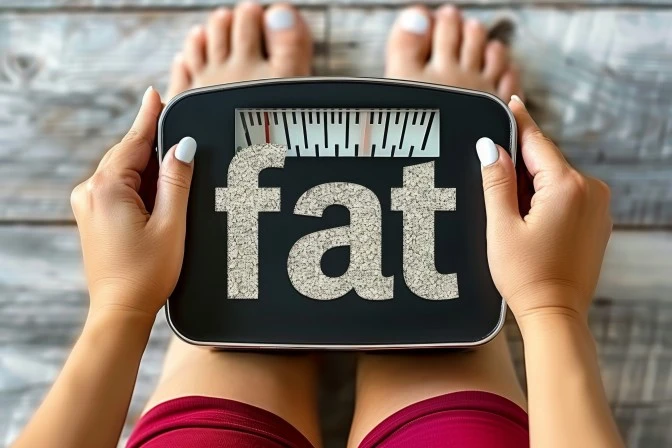
Body fat percentage is a measurement that assesses the proportion of fat on your body. It is considered one of the key markers of metabolic health in individuals, which can reveal many insights that are often missed by metrics like BMI.
According to the National Family Health Survey (NFHS-5, 2019–21) cited by the Government of India, about 24 % of Indian women and 23 % of Indian men aged 15-49 are overweight or obese. These are alarming figures. So, what is a healthy body fat percentage, and how can you achieve it to avoid risks that come with obesity? Let’s find out.
What Is Body Fat Percentage & Why It Matters
Body fat percentage is the calculation of the proportion of fat mass in your body in relation to your total body weight. It demonstrates how your body composition has an impact on your performance and health.
Excessive body fat (especially in the abdominal (visceral) area) increases the likelihood of developing conditions like insulin resistance, heart disease, and hormonal dysregulation. At the other extreme, very low levels of body fat can impair immune function, energy levels, and even reproductive function. As a result, measuring your body fat percentage can offer you a much better understanding of aspects like your fitness progress, metabolic health, and long-term disease risks than body weight alone, which does not distinguish between fat and lean mass.
How to Calculate Fat Percentage
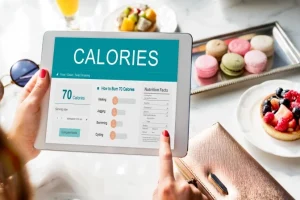
There are many methods to measure body fat percentage that vary in their accuracy, cost, and accessibility. Here are the most commonly used methods to measure it:
Skinfold calipers
Measures fat thickness at specific body sites. When done correctly by a trained professional, it offers reasonably accurate estimates.
Bioelectrical Impedance Analysis (BIA)
BIA is popularly used in gyms, smart scales, and other fitness apps to estimate the percentage of fat in a person’s body by sending a small electric current through the body. Your hydration level can affect its accuracy.
DEXA scan
DEXA scans provide a very accurate measurement of body fat, muscle mass, and bone density; however, they involve exposure to low levels of ionising radiation and are often more expensive than other body composition assessment methods.
Tape measure formulas
There are several different tape-measure formulas available, the most well-known being the U.S. Navy formula. These formulas require measurements of a person’s waist, neck, and hips to estimate their body fat from the comfort of home, and will provide an approximate estimate.
As a general rule, it is recommended that the same method be used consistently to measure changes over time instead of concentrating on one-time measurements for a proper analysis of body fat percentage.
Ideal Body Fat Percentage for Men & Women
an ideal body fat percentage can vary based on gender and general fitness level among individuals. Women naturally require higher fat levels compared to men for maintaining their hormonal and reproductive health. Staying within the healthy range can improve your metabolic functions, heart health, energy levels, and much more. Refer to this table to understand if your body fat percentage is in a healthy range based on what category you fall in.
| कैटेगरी | Men (%) | Women (%) |
| Essential Fat | 2–5 | 10–13 |
| Athletes | 6–13 | 14–20 |
| फिटनेस | 14–17 | 21–24 |
| Average | 18–24 | 25–31 |
| मोटा | 25+ | 32+ |
The categories added to the table are based on American Council on Exercise (ACE) guidelines and do not account for age, ethnicity, or individual health status.
Healthy Body Fat Percentage vs BMI
While often used together, BMI and body fat percentage measure very different aspects of an individual’s health.
BMI is a simple ratio of weight to height and helps identify population-level obesity trends. However, it does not distinguish between fat and muscle. This can lead to muscular individuals being classified as overweight or people with high body fat having a normal BMI (often referred to as “skinny fat”).
On the other hand, body fat percentage measures the proportion of body weight that is derived from body fat. This measurement gives a better view of how fat is distributed throughout the body, and how your metabolic health can affect your risk of developing certain diseases like diabetes.
The calculation of BMI is simple and has limitations for individuals, while Body Fat Percentage is more precise for determining an individual’s personal health. Use BMI to gain a preliminary idea of whether you may be overweight or underweight. Body fat percentage is more useful for providing individuals with a more thorough analysis of their body fat.
If you’d like a quick screening tool before assessing body fat percentage, you can calculate your BMI using our BMI कैलकुलेटर.
When Should You Talk to a Fitness or Medical Expert
Tracking your body fat percentage is possible on your own (independently), but in some cases, it’s necessary to consult with a professional to achieve your desired results safely and correctly.
Consult a professional in fitness or medicine if:
- You have a very low or very high body fat percentage (an extreme body fat percentage can have a significant effect on your metabolism, hormones, and overall health)
- Your BMI comes in the overweight or obese range, and you want to control it before it becomes a health issue
- You are not able to reduce body fat even with persistent effort; this could indicate that you have a hormonal imbalance or a serious medical condition
- You are planning to aggressively attempt to lose fat or gain muscle, as incorrect methods can cause injury and/or nutrient deficiencies.
- You have a medical condition (diabetes, thyroid disorders, heart disease, etc.) that may affect your body fat/lean tissue
- You are experiencing a lack of energy, irregular cycles, or loss of strength; these symptoms could indicate that you are carrying excess fat
A professional assessment can help you get a personalised, safe, and sustainable progress plan that can help you improve your overall health.
Focus on Health Over Numbers
Tracking body fat percentage can help you shift your focus from just appearance to overall health. Chasing a number on a weighing scale isn’t enough to ensure a good lifestyle. Body fat percentage encourages people to make smarter choices with their diets and recovery plans. With Activ Living Community, you can stay updated on how to identify hidden risks early and encourage sustainable fitness goals.
अक्सर पूछे जाने वाले प्रश्न
The healthy range for body fat percentage ranges from 18-24% for men, and 25-31% for women. It can vary depending on your age and fitness level.
You can use the tape-measure formulas like the US Navy method for getting approximate estimates for your body fat percentage. If accessible, you can even visit nearby gyms, as they usually have smart scales with BIA technology that can help you measure your body fat percentage.
No. BMI measures weight relative to height, whereas body fat percentage measures actual fat content in the body in proportion to your weight.
For most women, 21–31% is considered healthy, supporting hormonal and metabolic function.
For men, a healthy range is usually 14–24%, depending on activity and fitness level.
Yes. Combining strength training, adequate protein intake, and gradual calorie control helps preserve muscle while reducing fat.
If your body fat is very high or low, progress stalls, or you have medical conditions affecting weight or metabolism.
DEXA scans are considered the most accurate, as they measure fat, muscle, and bone distribution precisely.