होम फाइनेंस
 व्यक्तिगत फाइनेंस
 SME फाइनेंस
 सिक्योरिटीज़ पर लोन
 अपना बिज़नेस
 म्यूचुअल फंड
 स्टॉक व सिक्योरिटीज़
 पोर्टफोलियो मैनेजमेंट सेवाएं
 पेंशन फंड
 रियल एस्टेट इन्वेस्टमेंट
 लाइफ इंश्योरेंस
 हेल्थ इंश्योरेंस
 मल्टीप्लाई वेलनेस
 वाहन इंश्योरेंस
 ट्रैवल इंश्योरेंस
 Pay Bills
 Pay anyone
 Pay on call
 Payment Lounge
 ABC Credit Cards



 1800-270-7000

 ENG
ENG 


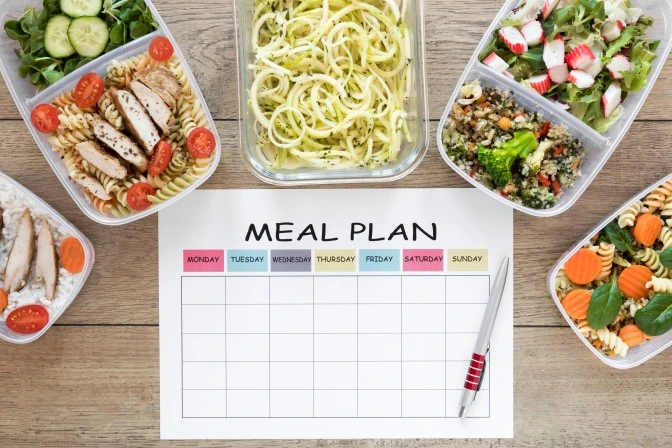
A structured weight loss meal plan is a holistic way of dealing with weight management sustainably and healthily. It provides you with a disciplined and evidence-based method that does not encourage restrictive diets and focuses on balanced nutrition.
So, how can you build a diet meal plan for weight loss that is sustainable, improves your quality of life, and doesn’t deprive you of proper nutrition?
If you’re looking for simple, natural ways to support your weight loss journey, read more in our article on Home Remedies for Weight Loss Naturally
What is a Diet Meal Plan to Lose Weight?
A meal plan for weight loss is not just about controlling your intake. It is about creating a structured approach to eating, which aligns your body’s energy needs with your calorie intake while balancing nutritional fulfilment. It creates a firm balance in your portions, macronutrients, and meal timings to support fat loss while preserving lean muscle mass.
There is one component that decides if your meal plan to lose weight is healthy, which is personalisation. Unlike fad diets, which often deprive you of proper nutrition, a good meal plan promotes steady and sustainable weight loss progress by reducing overeating, maintaining your blood sugar levels, and improving overall health.
To understand how choosing the right foods can make weight loss easier, read more in our article on Nutrition for Weight Loss: Achieve Your Goals With Healthy Food Choices
How to Create a Meal Plan for Weight Loss
To create a weight loss meal plan, you should start by estimating your daily calorie needs depending on your body type, weight, medications, and dietary restrictions. This approach encourages you to set a realistic calorie deficit for yourself, which leads to a sustainable weight loss journey. The best way to do this is by prioritising lean proteins, high-fibre carbohydrates, and healthy fats, so that you feel full after each meal.
Curious about which protein sources can best support your goals? Read more in How Can These 5 Protein-Rich Foods Benefit Your Body
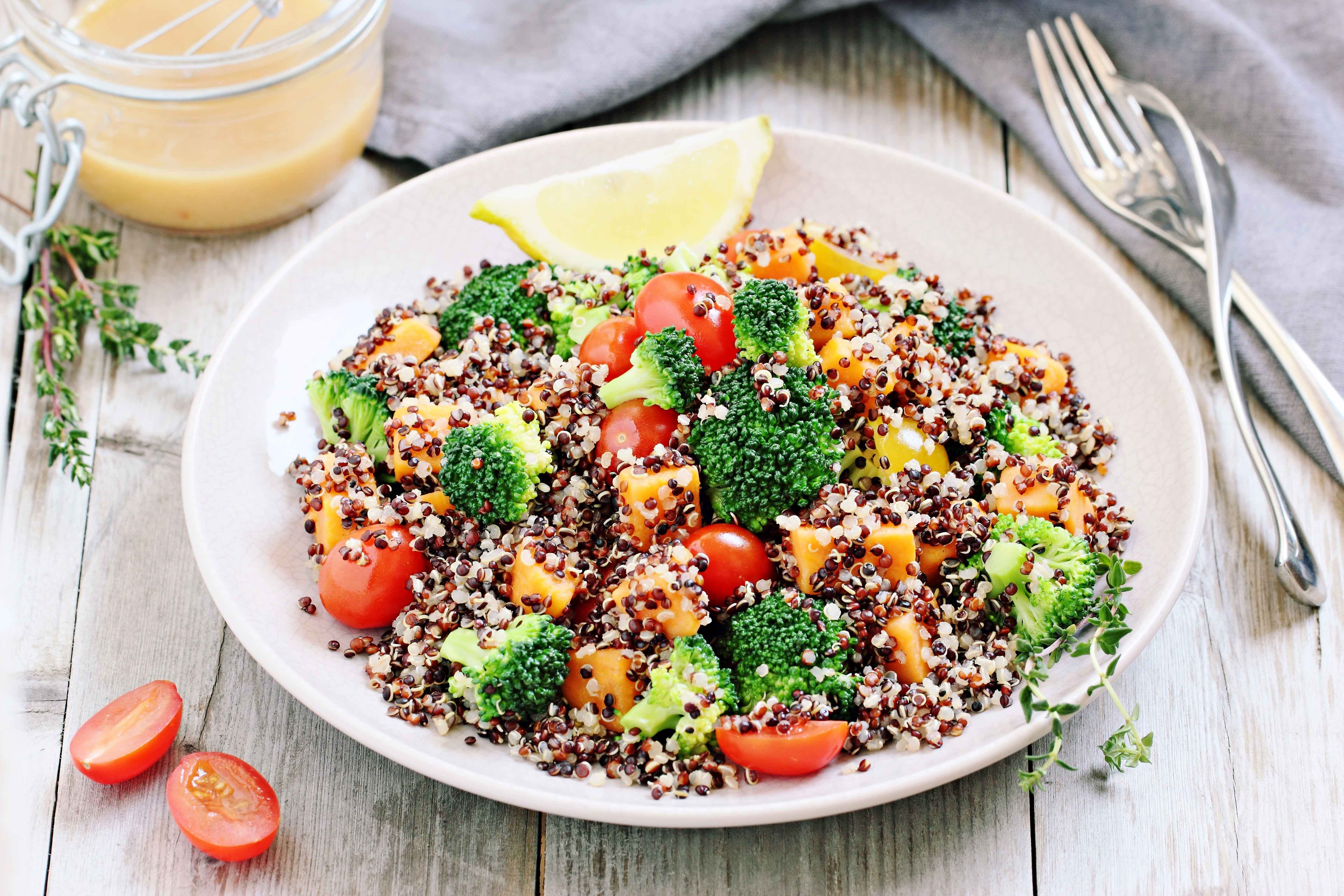
An example of a balanced lunch can be dal, grilled vegetables, a small portion of whole grains, and a side of salad. Planning meals will help you in managing portions and maintaining a regular meal schedule that can prevent overeating.
Tips to Make Your Diet Plan Work
A well-designed meal plan delivers results only when it is practical and easy to follow consistently. Here are a few tips to help you build a personalised meal plan for yourself:
- Prioritise consistency over perfection
Many people get worried that missing a meal or occasionally eating out will derail their progress. That is not the case with a healthy meal plan. It encourages staying on track as long-term consistency matters more than day-to-day perfection.
- Control portions, not just food choices
If your portions are excessive, even healthy foods cannot help you reduce your weight. Using simple visual cues can help you manage your serving sizes. For example, using a 250ml bowl for serving your dal and grilled vegetables can help you avoid overeating either of them.
- पानी की कमी न होने दें
Water consumption is key to how well your body absorbs the nutrients from the food you consume. Proper hydration also supports digestion and can help you manage hunger cues that occur randomly.
- Track progress mindfully
A healthy weight loss meal plan encourages sustainable weight loss over immediate weight loss. Therefore, you must monitor your weight and energy levels weekly to adjust your meal plan in terms of portions or calorie intake when needed.
Easy Weight Loss Meal Ideas
Staying on track with a weight loss program is easier, with no sense of restriction, when you eat simple, balanced meals. Here are a few ideas for what to consume and why:
- Protein-rich breakfasts
Breakfasts high in protein include options like vegetable omelettes, paneer bhurji, curd with seeds, and other meals that keep you full and reduce mid-morning hunger.
- Simple cooking methods
Cooking methods that use less than a tablespoon of oil, like grilling, steaming, baking, and sautéing, can help maintain a low total number of calories consumed.
- Balanced lunches
Lunches that incorporate dal or a lean source of protein, along with vegetables and a small portion of whole grains, will keep your body energised and full throughout the afternoon.
- Light, nutrient-dense dinners
Nutritionally dense but light food is the perfect dinner. It can be dishes such as soups, grilled vegetables, and sautéed proteins with a side serving of salad. This will keep consumed calories at a low level while still providing the nutrients your body needs.
- Smart snacking
Make smart choices when you feel the urge to have snacks at any time of the day. Some good snacks when the urge hits are roasted chana, yoghurt, some nuts, or fruits.
7-Day Weight Loss Meal Plan
A structured diet meal plan to lose weight is not too hard to build once you know your body’s requirements. This 7-day plan can provide you with ideas on what to consume, with balanced and easy-to-follow ideas that are flexible to adapt to your required portions and ingredients based on your taste preferences.
Monday
Breakfast: Vegetable omelette with one whole-grain toast
Lunch: Dal, mixed vegetable sabzi, small portion of rice
Dinner: Grilled paneer or tofu with salad
Tuesday
Breakfast: Curd with fruits and seeds
Lunch: Roti, grilled chicken or chole, vegetables
Dinner: Vegetable soup with sautéed greens
Wednesday
Breakfast: Oats with nuts and fruit
Lunch: Rajma, salad, small portion of brown rice
Dinner: Stir-fried vegetables with paneer
Thursday
Breakfast: Besan chilla with curd
Lunch: Fish or soy curry with vegetables
Dinner: Light dal with salad
Friday
Breakfast: Smoothie with fruit and protein source
Lunch: Roti, mixed veg sabzi, curd
Dinner: Grilled vegetables with tofu
Saturday
Breakfast: Poha with vegetables
Lunch: Khichdi with salad
Dinner: Soup or sautéed vegetables
Sunday
Breakfast: Eggs or paneer with vegetables
Lunch: Balanced home-cooked meal
Dinner: Light protein and salad
This sample plan can be a good guide to create a personalised meal plan that suits your lifestyle, nutritional needs, and tastes.
बॉटम लाइन
Short-term restrictions on food will not help your weight loss journey in the long run. To make it sustainable and long-lasting, making informed dietary choices with a thoughtful meal plan will improve your overall long-term health. Stay tuned to Active Living Community for building healthier habits that go beyond your plate, and encourage your journey of lasting well-being.
अक्सर पूछे जाने वाले प्रश्न
Yes. Choosing grilled, steamed, or portion-controlled options when you eat out helps maintain your progress.
Review your plan every 2 to 4 weeks or when weight loss stalls, energy drops, or you notice any lifestyle changes.
Yes! A good meal plan for weight loss is about consistency. Occasional cheat meals are fine and can even improve your adherence to the meal plan as long as they are not excessive or frequent.
Yes. Balanced meals with adequate protein, fibre, and healthy fats help stabilise blood sugar and support steady energy.
Yes, you can repeat meals in your meal plan. In fact, repeating meals can simplify your planning and improve your consistency, given that your nutritional balance is maintained. Don’t repeat meals back-to-back too often, though. If you ate chole in your lunch for 3 days consecutively, try having something else on the fourth day.