होम फाइनेंस
 व्यक्तिगत फाइनेंस
 SME फाइनेंस
 सिक्योरिटीज़ पर लोन
 अपना बिज़नेस
 म्यूचुअल फंड
 स्टॉक व सिक्योरिटीज़
 पोर्टफोलियो मैनेजमेंट सेवाएं
 पेंशन फंड
 रियल एस्टेट इन्वेस्टमेंट
 लाइफ इंश्योरेंस
 हेल्थ इंश्योरेंस
 मल्टीप्लाई वेलनेस
 वाहन इंश्योरेंस
 ट्रैवल इंश्योरेंस
 Pay Bills
 Pay anyone
 Pay on call
 Payment Lounge
 ABC Credit Cards



 1800-270-7000

 ENG
ENG 


Overview
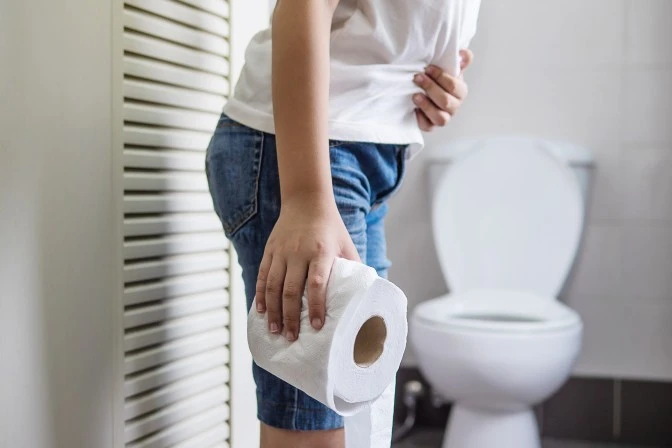
Constipation is a common digestive issue. It causes daily discomfort while it persists and can affect patients’ overall gut health. It is usually a temporary condition, but it can also indicate lifestyle imbalances or other health concerns that may require medical attention.
What is Constipation?
Constipation is a digestive condition characterised by infrequent bowel movements or difficulty in passing stool. It often occurs when the colon absorbs too much water from food, resulting in hard or dry stools that are painful or difficult to pass.
How Common Is It?
Constipation is very common, affecting people of all ages, especially adults, older individuals, pregnant women, and those with low physical activity or dietary fibre intake.
लक्षण
Constipation symptoms come in a wide variety. Recognising them early can help you in preventing further complications and eliminating the persistent discomfort that comes with it.
Common Constipation Symptoms
Here are a few of the constipation symptoms that you should be on the lookout for to detect it early:
- Infrequent bowel movements (fewer than three per week)
- Hard, dry, or lumpy stools
- Painful or uncomfortable bowel movement
- Feeling of incomplete bowel emptying
- Abdominal bloating or discomfort
Warning Signs
If you are doubtful about the symptoms, here are the warning signs that should urge you to consult a doctor:
- कब्ज lasting longer than two weeks
- Blood in stools or rectal bleeding
- बिना वजह के वज़न घटना
- Severe or persistent abdominal pain
- Sudden constipation without a clear cause
कारण
Constipation is usually caused by a combination of medications, health conditions, and daily habits. The key to having an effective treatment and long-term relief lies in understanding what causes constipation.
What Causes Constipation?
There are many factors that can slow your bowel movements and make stools harder to pass. The most common causes fall into the following categories:
लाइफस्टाइल
- Low fibre intake from fruits, vegetables, and whole grains
- Insufficient water consumption
- Reduced physical activities and prolonged sitting in the same position
- Ignoring the urge to pass stool
इलाज
- Painkillers (especially opioids)
- Iron and calcium supplements
- Certain antidepressants
- Antacids containing aluminium or calcium
- Medications for high blood pressure (Calcium channel blockers)
Medical Conditions
- Irritable bowel syndrome (IBS)
- हाइपोथाइरॉइडिज़्म
- डायबिटीज
- Neurological disorders affecting bowel control
- Depression or anxiety
Other Risk Factors
- गर्भावस्था
- Ageing
- Stress and irregular routines
- Recent illness or surgery
The answer to how to relieve constipation is hidden within the combination of the aforementioned reasons that have caused you to be constipated. Consulting a doctor can help you identify the main reason you developed this condition.
रोग-निदान
After identifying the cause, duration, and severity of the symptoms, the doctor will assess your situation to decide on the most effective treatment. Here is how:
What a Doctor Checks
The doctor will start by reviewing your bowel habits, stool consistency, daily diet, fluid consumption, and physical activities. After these, they will review your medication history and may enquire further about bloating, pain, blood in your stool, recent weight gain or loss, and how long your symptoms have lasted. Post this assessment, a physical or a rectal examination may be recommended by the doctor if deemed necessary to assess the true cause further.
Tests (If Needed)
The doctor may recommend additional tests if they see that the symptoms are severe or linked to warning signs of other health conditions. These tests can include the following:
- ब्लड टेस्ट
- Stool tests
- Colonoscopy
Once these tests are complete, the doctor can, if needed, begin preparing a treatment plan based on the results to help treat your symptoms and support a fast recovery.
उपचार
The answer to “how to cure constipation” lies in its cause and severity. In many cases, a simple change in timely care and lifestyle changes can provide you with effective relief.
How to Relieve Constipation
Relieving constipation can be a mix of various things. Doctors can recommend increasing your daily intake of dietary fibre, drinking fluids, and staying physically active. Sometimes, short-term use of fibre supplements or mild laxatives can also work like a charm if advised, when lifestyle changes might be insufficient to treat it properly.
How to Cure Constipation
Long-term treatment for constipation is aimed at preventing its recurrence. This can involve long-term correction of underlying causes such as a poor diet, side effects of medications you are already taking, or other health conditions. Curing constipation involves consistency in healthy habits, proper hydration, and medical treatment for associated conditions to restore normal bowel function.
बचाव
There are many ways to prevent constipation, which are largely linked to your daily lifestyle. These preventive measures include the following:
Daily Habits
Consistent routines are key to maintaining regular bowel movements. You should eat meals at fixed times and respond to the urge to defecate promptly. You should also avoid sitting for a long time on the toilet to encourage healthy gut reflexes.
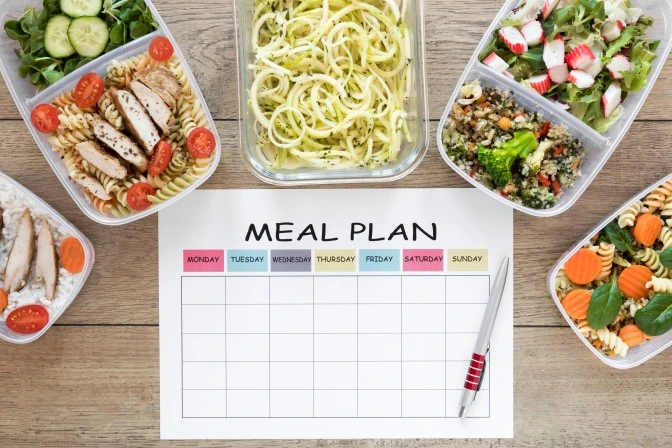
Fibre-Rich Diet
जोड़ा जा रहा है foods rich in dietary fibre can help add bulk to your stools and improve the overall frequency of your bowel movements. Adults are advised to consume fibre from fruits, vegetables, legumes, and whole grains. However, as some legumes (like rajma or chana) can cause gas, a gradual and consistent increase is important to avoid bloating.
Adequate Hydration
Water helps in softening stools and also promotes fibre integration with your gut health effectively. Insufficient fluid intake is one of the leading causes of constipation, especially in areas with hot climates and in children.
शारीरिक गतिविधि
Regular physical activity is the best way to stimulate intestinal contractions and reduce stool transit time. Even activities done in moderation can help improve the regularity of your bowel movements.
Medication & Health Review
Medications and untreated health conditions can also trigger chronic constipation. Therefore, it is a good idea to schedule periodic medical reviews or consultations with your doctor to identify any side effects your medications might have on your gut health.
When to See a Doctor
Occasional constipation is generally harmless. However, certain symptoms can indicate that you may have a serious condition that should be tested by a doctor. Here are some red-flag situations when you should immediately consult a professional:
Red-Flag Situations
- Long-Term Constipation
If you have experienced constipation for more than 2 weeks, along with the changes made to your diet and lifestyle, it may indicate a more serious underlying digestive issue, hormonal imbalance, or bowel obstruction. Seek medical help to receive effective treatment.
- Blood in Stool or Rectal Bleeding
It is important to seek medical attention immediately if there are instances of unexplained bleeding, as it may indicate haemorrhoids, anal fissures, inflammatory bowel disease or colorectal conditions.
- Abdominal Pain
Severe and continuing abdominal pain may indicate that there is intestinal obstruction, infection, or some other medical condition that requires immediate medical attention and testing.
- Sudden Weight Loss or Loss of Appetite
If an individual has constipation along with unexplained weight loss, it may indicate metabolic conditions or severe gastrointestinal disorders, and most definitely requires some form of evaluation by their doctor.
- Rapid Onset of Constipation in Older Individuals
Rapid changes in bowel habits in individuals greater than 50 years of age may signal a possible increase in risk for colorectal diseases and should be evaluated by a physician.
- Nausea and Vomiting with Constipation
Having nausea and vomiting along with constipation could be indicative of an intestinal blockage or possibly severe constipation that is interfering with the body’s ability to digest normally.
- Fever or Fatigue along with Constipation
Having systemic ailments such as fever or fatigue along with constipation could also indicate infection, inflammation, or chronic health issues and require priority treatment by a doctor.
Improved Gut Health for Relieving Constipation
Understanding the constipation symptoms can empower you to manage it and improve your gut health. With the right awareness and simple lifestyle adjustments, you can mostly prevent and relieve your constipation scares naturally. For ongoing tips and trusted advice on improving your gut health, stay connected with the ऐक्टिव लिविंग कम्युनिटी, extracting expert insights and practical guidance for a healthier life.
अक्सर पूछे जाने वाले प्रश्न
The most common causes are low fibre intake, inadequate water consumption, lack of physical activity, and ignoring the urge to defecate.
If you are passing stools less than 3-4 times per week or experiencing hard stools that cause straining, you might have constipation.
For immediate relief, doctors may recommend over-the-counter options like suppositories or enemas. However, for a natural approach, drinking warm water or herbal tea and walking can help stimulate a bowel movement relatively quickly.
Regular physical activities, proper hydration, fibre-rich diets, and regular toilet habits are the most impactful home remedies for constipation.
Yes. Constipation, especially when untreated, can lead to complications like haemorrhoids, anal fissures, faecal impaction (hardened stool stuck in the rectum), and rectal prolapse.





![ABHI web banners [Recovered]-06 (1)_Activ Living Community](https://www.adityabirlacapital.com/healthinsurance/active-together/wp-content/uploads/2025/05/ABHI-web-banners-Recovered-06-1-600x512.jpg)