होम फाइनेंस
 व्यक्तिगत फाइनेंस
 SME फाइनेंस
 सिक्योरिटीज़ पर लोन
 अपना बिज़नेस
 म्यूचुअल फंड
 स्टॉक व सिक्योरिटीज़
 पोर्टफोलियो मैनेजमेंट सेवाएं
 पेंशन फंड
 रियल एस्टेट इन्वेस्टमेंट
 लाइफ इंश्योरेंस
 हेल्थ इंश्योरेंस
 मल्टीप्लाई वेलनेस
 वाहन इंश्योरेंस
 ट्रैवल इंश्योरेंस
 Pay Bills
 Pay anyone
 Pay on call
 Payment Lounge
 ABC Credit Cards



 1800-270-7000

 ENG
ENG 



Once considered a common problem for middle-aged people, high blood pressure is alarmingly rising as a condition amongst young adults. A recent study found that over 11% of young Indians in the age group of 18 to 40 years have some form of hypertension.
This concerning figure can be attributed to various factors, including more stressful working environments, sedentary lifestyles, and poor-quality diets. Early onset of high BP in young adults can directly cause lifelong cardiovascular risk. So, with the onset of high BP in young adults, what kind of preventive measures can be taken to improve long-term health? Let’s find out.
What Causes High BP in Young Adults?
हाई ब्लड प्रेशर in young adults is driven by a mix of lifestyle, genetic, and health-related factors, many of which are modifiable.
General awareness of these factors can help young adults in creating a better game plan to combat the early onset of BP problems.
- Unhealthy diet
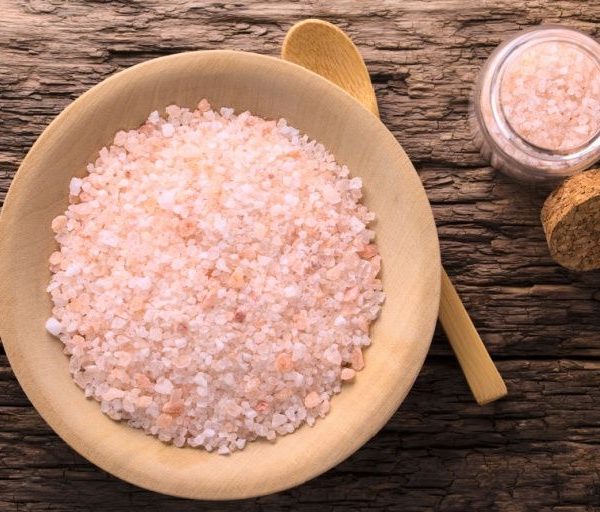
Low organic food intake, like fruits or vegetables, high salt in food, and regular consumption of processed food can disrupt your blood pressure balance. Excessive consumption of saturated fats can also contribute to weight gain, causing vascular stress.
- सुस्त लाइफस्टाइल
Lack of regular physical activity leads to obesity, reduced heart efficiency, and higher BP. Physical activities or regular exercise can help you maintain healthy vascular function.
Simple lifestyle changes can significantly improve vascular health. Read 5 Exercises To Do At Home to learn easy movements you can include in your daily routine.
- Obesity or weight gain
Excess body weight forces the heart to work harder, raising BP, which is a major risk factor for early hypertension.
- Stress and mental pressure
Being in environments that put you under intense mental pressure can lead to chronic stress. This can trigger hormonal responses that can potentially constrict blood vessels, causing BP in young adults to increase over time.
- Family history & genetics
A strong family history of हाइपरटेंशन increases your likelihood of developing high BP at a younger age.
- Tobacco & alcohol use
Smoking or nicotine consumption and heavy alcohol intake damage blood vessels and elevate blood pressure.
Now that you know what causes high blood pressure in young adults, let us explore how to spot the signs early and what measures to take to prevent it from advancing.
Signs of High BP in Young Age You Shouldn’t Ignore
High BP in young adults is often referred to as a “silent condition” because the symptoms might be mild or even absent till the damage to health begins. However, you must keep an eye out for these warning signs and consult a doctor if you notice any:
- Frequent headaches or dizziness – If you are experiencing these, especially in the mornings, they are probably an indicator of high BP.
- Shortness of breath or chest discomfort – This indicates strain on the heart and poor lung health, both of which can be caused by elevated BP.
- Palpitations or irregular heartbeat – This is a big warning sign, as the symptoms of high BP have already started causing cardiovascular stress in your heart.
- Blurred vision or nosebleeds – These are possible signs of regularly high BP.
- Unusual fatigue or difficulty concentrating – These symptoms are caused by reduced blood flow and can indicate that you have high BP regularly.
The signs of hypertension in young adults can sometimes be easy to miss, but keeping an eye on these warning signs and getting relevant treatment can help you avoid developing any lifelong vascular conditions.
How Doctors Diagnose Hypertension in Young Age
Doctors are extra careful with young adults when diagnosing hypertension, as temporary BP spikes are far too common nowadays. Therefore, doctors advise measuring blood pressure in young adults multiple times at different times of the day to monitor trends. This rules out stress-related high BP spikes.
Doctors also assess family medical history and lifestyle conditions, and can order basic tests to ensure a correct diagnosis of hypertension at a young age.
कर सकती हैं High BP in Young Adults Affect Long-Term Health?
High BP at a young age can increase a person’s exposure to various health conditions in the long run. It can increase the lifetime risk for heart disease, kidney damage, strokes, and even vision problems.
Prolonged high BP can directly accelerate arterial stiffening and myocardial hypertrophy, which can thicken the heart muscles and increase cardiovascular stress. Studies have also indicated that developing hypertension at a young age increases the risk of cardiovascular death, even if blood pressure is subsequently improved later in life.
Considering all of these risks, it is important to identify any symptoms or warning signs of high BP early and get the relevant treatment for it to minimise any long-term cardiovascular health effects or organ damage.
What You Can Do to Reduce High BP
It is possible to lower high blood pressure through consistent, evidence-based lifestyle changes (diet and exercise) and appropriate medical guidance at a younger age. Here are some ways to do that:
Improve diet quality
Improve the quality of your diet by reducing your salt intake, avoiding processed foods, and cutting out excess amounts of sugar. Focus on eating more fruits, vegetables, whole grains, lean protein, and foods high in potassium.
Manage stress effectively
Chronic stress raises BP through hormonal pathways. Getting adequate sleep, mindfulness of your stress indicators, and structured routines can help you control any stress-related spikes in BP.
Limit alcohol and avoid tobacco
Both directly damage blood vessels and raise BP. Cutting back shows measurable improvement.
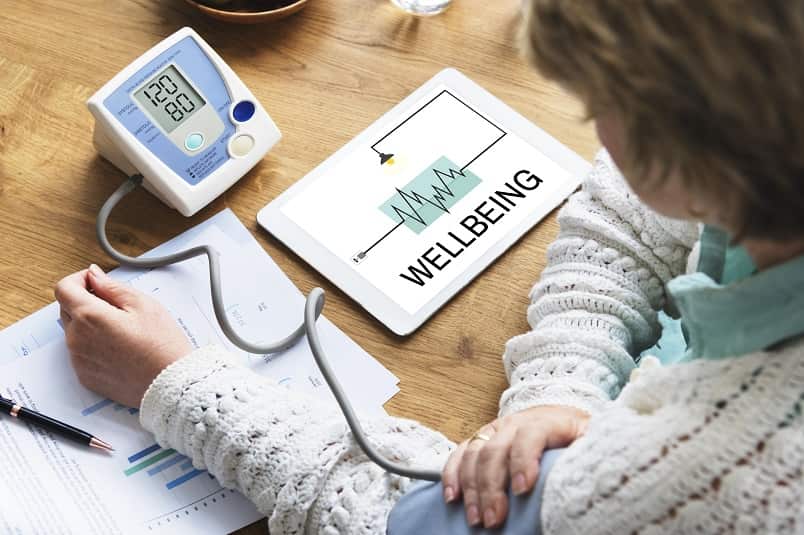
Monitor BP
Monitoring your blood pressure regularly will help you recognise patterns in your blood pressure levels. This will help you recognise any concerning results to get a consultation immediately.
Taking Charge of Heart Health for a Brighter Future
Rising cases of hypertension at a young age have been concerning and highlight the urgent need for early awareness and preventive action. While small and consistent lifestyle changes can make a lasting difference, they are not the only solution. With Active Living Community, stay informed and proactive about heart health, and reduce long-term risks to build a healthier future with confidence.
अक्सर पूछे जाने वाले प्रश्न
Stress can cause temporary BP spikes. Chronic stress may contribute to long-term high BP, especially when combined with poor sleep, diet, or inactivity.
Yes. In many young adults, BP can return to normal with lifestyle changes like diet, exercise, stress control, and weight management.
Heavy lifting can cause short-term BP rises, but regular, supervised exercise generally helps lower resting blood pressure over time.
Uncontrolled high BP can affect blood flow and hormonal balance, potentially impacting fertility in both men and women over time.
Yes. Excess caffeine and stimulants can raise BP temporarily and worsen hypertension in sensitive individuals.
Yes. Genetics, stress, poor sleep, or underlying medical conditions can cause high BP even in thin and physically active individuals.
Young, healthy adults should undergo a blood pressure check at least every one to two years, or more frequently if they have existing risk factors.
While not always permanent, early-stage hypertension can frequently be managed or even reversed; however, continued monitoring is essential to avoid its return.