Home Finance
 Personal Finance
 SME Finance
 Loan Against Securities
 Business
 Mutual Funds
 Stock and Securities
 Portfolio Management Services
 Pension Funds
 Real Estate Investments
 Life Insurance
 Health Insurance
 Multiply Wellness
 Motor Insurance
 Travel Insurance
 Pay Bills
 Pay anyone
 Pay on call
 Payment Lounge
 ABC Credit Cards



 1800-270-7000

 ENG
ENG 


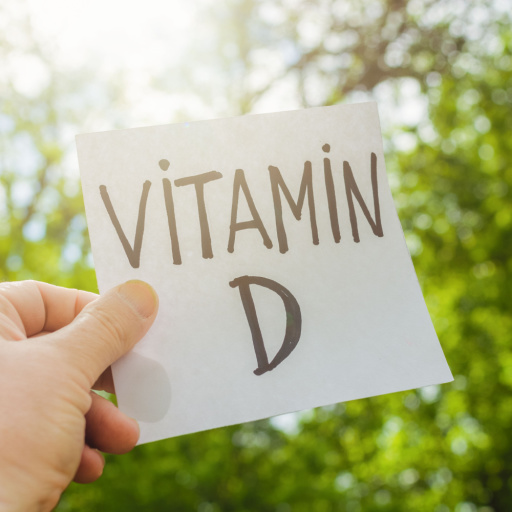
Feeling tired in spite of sleeping 8 hours every night? You may be suffering from acute vitamin d deficiency. Watch this video by Shrutika Kelaskar, a dietitian and health coach with Aditya Birla Health Insurance where she shares tips to naturally increase your vitamin D levels.
What is vitamin D?
विटामिन D, अपने नाम के बावजूद, एक पोषक तत्व है जिसे हम खाते हैं, और एक हॉर्मोन है जिसे हमारा शरीर धूप के संपर्क में आने पर बनाता है. विटामिन D के यौगिक विटामिन D1, D2, और D3 बनाते हैं.
Benefits of vitamin D
Vitamin D has many benefits:
- It helps maintain healthy bones and teeth and prevents osteoporosis.
- Adequate vitamin D intake can reduce the risk of autoimmune diseases.
- विटामिन D के एंटीऑक्सीडेंट गुण सीजनल अफेक्टिव डिसऑर्डर (SAD), अनिद्रा और डिप्रेशन में सुधार कर सकते हैं.
- Increasing vitamin D intake can prevent colds, flu, or other respiratory infections.
- Vitamin D may increase insulin sensitivity, bolster beta cell function, and reduce inflammation, helping individuals manage diabetes.
Factors of deficiency
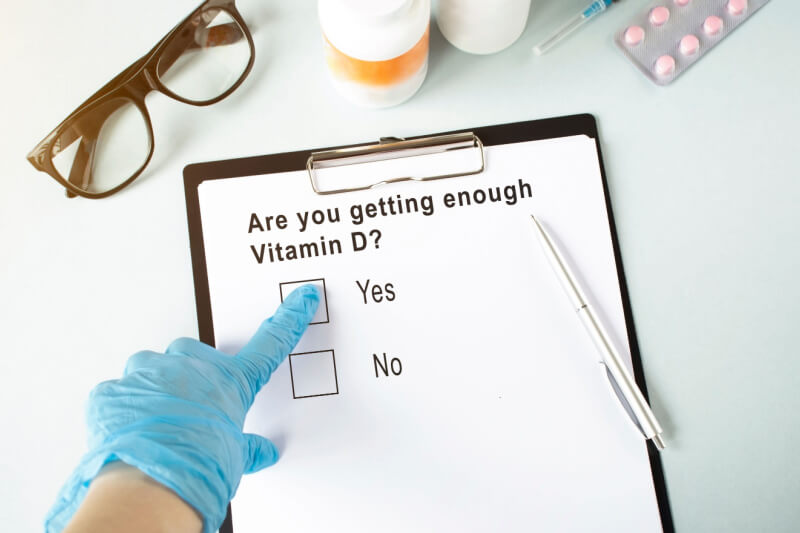
Although the body can create its vitamin D, some people are at a higher risk of deficiency than others.
- ठंडे महीनों में, लोगों को पर्याप्त विटामिन D नहीं मिल पाता है, जिसके कारण उनका न्यूरोट्रांसमीटर सेरोटोनिन प्रभावित हो सकता है. जो व्यक्ति नाईट शिफ्ट में काम करते हैं या उत्तरी अक्षांश या धुंध और कोहरे के कारण उच्च प्रदूषण वाले क्षेत्रों में रहते हैं, उन्हें ज़्यादा धूप नहीं मिल पाती. वे विटामिन D की इस कमी की पूर्ति के लिए कुछ खाद्य पदार्थों का सेवन कर सकते हैं.
- बुज़ुर्ग व्यक्तियों को पर्याप्त धूप नहीं मिल पाती क्योंकि वे अपना अधिकांश समय घर के भीतर बिताते हैं. विटामिन D को संश्लेषित करने की त्वचा की क्षमता भी आयु के साथ कम होती जाती है.
- ऐसे लोग जो बहुत ज़्यादा बॉडी फैट और मोटापे से पीड़ित हैं, उनमें त्वचा से विटामिन D को अवशोषित करने की शरीर की क्षमता कम हो सकती है.
- Skin pigmentation can also reduce the body’s ability to absorb the sun’s ultraviolet rays.
- In people who have undergone gastric bypass surgery, the upper part of the small intestines, where Vitamin D is absorbed, is removed.
- विटामिन D एक फैट सोल्युबल विटामिन है जो आंतों की फैट अवशोषित करने की क्षमता पर निर्भर करता है. इसलिए, इन्फ्लेमेटरी बाउल डिजीज़ या फैट के सामान्य पाचन को बाधित करने वाली इसी प्रकार की अन्य स्थितियों से पीड़ित व्यक्ति में इस विटामिन की कमी का जोखिम अधिक हो सकता है
- Lactose-intolerant people or those who follow a vegan diet also face vitamin D deficiency.
Symptoms of low vitamin D
Take a look at the symptoms or harmful effects of vitamin D deficiency:
- विटामिन D की कमी के कारण होने रोगों में बच्चों को होने वाला रोग रिकेट्स शामिल है, जिसके कारण हड्डियां मुलायम रह जाती हैं और वयस्क अवस्था में मुड़े हुए पैरों या ओस्टियोमलेशिया का कारण बनती हैं. विटामिन D की गंभीर कमी से हाइपोकैल्सीमिया रोग हो सकता है, जिसमें कैल्शियम की कमी हो जाती है. इसके परिणामस्वरूप ऑस्टियोपोरोसिस या हड्डियों में दर्द हो सकता है.
- A lack of vitamin D can cause muscle weakness and twitching, leading to myalgias or muscle pain.
- It can also cause arthralgias or joint stiffness.
- विटामिन D की कमी के लक्षणों में से एक हाइपर-पैरा-थायरॉयडिजम है, जिसमें पैराथायरॉइड ग्रंथि एक हॉर्मोन असंतुलन उत्पन्न करती है जिससे रक्त में कैल्शियम का स्तर बढ़ जाता है.
- Long-term deficiency can result in pregnancy complications, infections, autoimmune problems, cardiovascular conditions, neurological diseases, or certain cancers.
How to prevent deficiency?
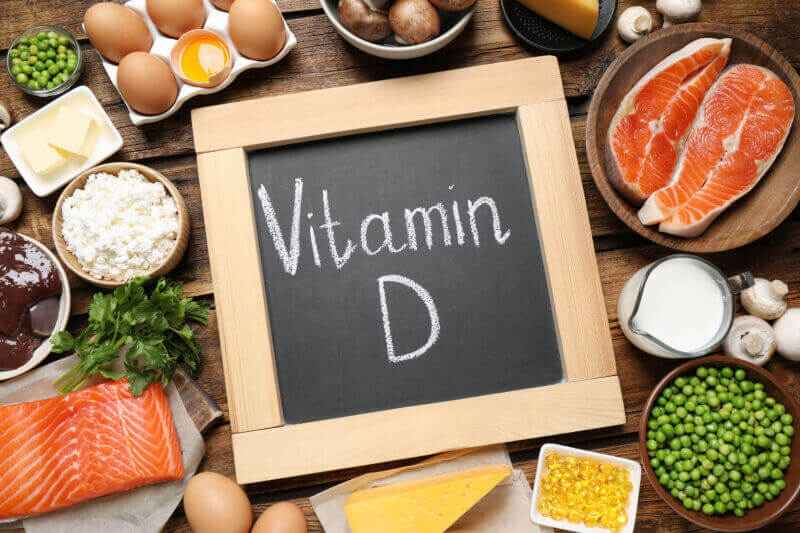
If you are trying to figure out how to increase vitamin D, try the following ways to get your daily dose of vitamin D:
- सुनिश्चित करें कि आपको सूरज की पर्याप्त रौशनी मिले. विटामिन D के लिए धूप में बैठने का सबसे अच्छा समय सुबह 7 से 9 बजे तक होता है. हर दिन 10-15 मिनट तक धूप में रहने पर, पर्याप्त विटामिन D मिल सकता है. लेकिन, बिना सनस्क्रीन के धूप में बहुत ज़्यादा देर तक न रहें, क्योंकि सूरज की हानिकारक पराबैंगनी किरणों से त्वचा का कैंसर हो सकता है.
- People at risk of vitamin D deficiency can depend on vitamin D food sources, such as egg yolks, cheese, beef liver, mushrooms, fortified milk, breakfast cereals, yogurt, fatty fish (salmon, mackerel, and tuna), molasses, and fortified cereals and juices.
Key Takeaways
- Vitamin D is essential for maintaining healthy bones and teeth, and it plays a crucial role in preventing osteoporosis.
- Individuals who work night shifts, live in northern latitudes, or reside in areas with high pollution often experience limited sun exposure, putting them at risk for vitamin D deficiency.
- A lack of vitamin D can lead to diseases such as rickets in children and osteomalacia in adults.
Talk to Our Health Coach
Have a chronic condition? With the right guidance, managing it can feel a lot easier. Get access to dedicated health coaches when you choose an ABHI policy.