Home Finance
 Personal Finance
 SME Finance
 Loan Against Securities
 Business
 Mutual Funds
 Stock and Securities
 Portfolio Management Services
 Pension Funds
 Real Estate Investments
 Life Insurance
 Health Insurance
 Multiply Wellness
 Motor Insurance
 Travel Insurance
 Pay Bills
 Pay anyone
 Pay on call
 Payment Lounge
 ABC Credit Cards



 1800-270-7000

 ENG
ENG 


Every winter, New Delhi’s air quality becomes a hot topic of discussion for millions of people in the country. News channels host debates and discuss pollution at length; experts comment on how the government should take steps to curb it; and social media users share live videos of thick smog and poor visibility in and around the city. But the unfortunate truth is that pollution and poor AQI are not limited to the national capital. Many other Indian cities also see seasonal spikes, especially in winter.
What Is AQI, and Why Does It Matter?
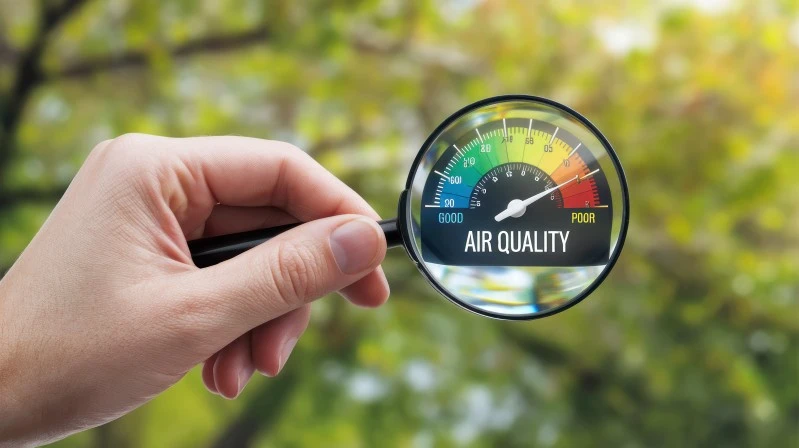
AQI, or Air Quality Index, is a scale used to explain how clean or polluted the air in a particular city or region is. Commonly shown as a two- or three-digit number, the air pollution index condenses complex scientific data into easy-to-understand numbers with a colour code to show how air quality is at a given time.
AQI Categories Explained
In India, the Air Quality Index is commonly categorised into six categories, from Good to Severe, each colour-coded and depicting varying levels of air quality. Here’s a table to explain the categories in detail.
Score | Colour | Category | What it means |
| 0 – 50 | Green | Good | There’s little to no air pollution, and air quality is satisfactory for most people. |
| 51 – 100 | Light Green | Satisfactory | Air quality is generally acceptable. Some people with existing sensitivities may experience minor breathing discomfort. |
| 101 – 200 | Yellow | Moderate | Breathing discomfort may occur for people with lung or heart conditions, children, and older adults, especially with prolonged outdoor exposure. |
| 201 – 300 | Orange | Poor | Breathing discomfort is more likely for most people with prolonged exposure. People with existing heart or lung conditions may feel worse sooner. |
| 301 – 400 | Red | Very Poor | Respiratory illness and breathing discomfort are more likely, especially for sensitive groups. Outdoor activity may worsen symptoms for many people. |
| 401 – 500 | Maroon | Severe | This may trigger serious health effects, particularly for people with existing respiratory or cardiac illness. Even healthy people may experience breathing discomfort with exposure. |
What Is AQI, and Why Does It Matter?
The Air Quality Index, or AQI, in winter gets worse for natural reasons and a few India-specific reasons. Let’s look at a few of them:
- Temperature Inversion, explained: Temperature inversion happens when cooler air stays near the ground and a layer of warmer air sits above it. This limits vertical mixing and traps pollutants closer to where people live and breathe, causing AQI in Winter to worsen.
- Low Wind Speed and Reduced Sunlight: Low wind speed reduces dispersion, and reduced sunlight can slow some atmospheric processes that help break down pollutants. Together, these conditions can keep pollution levels higher for longer periods.
- Increased winter emissions: Several parts of India see a decline in AQI air quality during late autumn and winter due to a combination of seasonal emissions and weather conditions. In some regions, crop-residue burning can add to the pollution load during certain weeks. In addition, the use of wood, coal, or charcoal for heating and cooking in colder months can increase emissions, particularly in poorly ventilated settings.
How Poor AQI in Winter Affects Your Health?
Poor air quality in winter can have adverse effects in the short term and the long term. Let’s take a look at both:
Short-Term Health Effects
Some of the short-term health effects of poor AQI in winter may include:
- Cough and throat irritation
- Headache and fatigue
- Breathing problems, such as wheezing or shortness of breath
- Eye and skin irritation
Long-Term Health Risks
Continued exposure to poor air can also lead to various long-term health risks, including:
- Asthma or worsening of existing asthma
- Cardiovascular problems
- Reduced lung function
- Possible impact on memory and concentration over time
- Higher risk of premature death with sustained long-term exposure
Who Is Most at Risk?
Poor AQI can affect everyone. However, some groups are more vulnerable and are more likely to experience health effects sooner or more severely. These include children, senior citizens, pregnant people, and individuals with pre-existing illnesses such as asthma, chronic lung conditions, and heart disease.
Symptoms That Indicate AQI Is Affecting You
There are a few symptoms that help decide whether AQI in your city is affecting you. Let’s take a look at a few of them.
- Respiratory issues: They may include breathing issues like wheezing, coughing, shortness of breath, increased mucus, sore throat, or chest tightness.
- Other issues: Eye irritation or burning sensation, tiredness, headache, and skin rashes or irritation.
How to Protect Yourself During Poor AQI in Winter?
You can take a few proactive precautionary steps to stay as safe as possible during harsh, polluted conditions in winter. Here are a few things you can do:
Monitor AQI Daily
Using reliable AQI apps or government sites will help you keep track of changing AQI depending on traffic, weather conditions, and industrial activity. In many cities, pollution is often worse in the early morning and late evening during winter, but patterns can vary by location. Plan outdoor activities for times when AQI is lower in your area.
- Reduce Outdoor Exposure
Reducing exposure to the outdoors when AQI is poor is another way to protect yourself in winter. When you stay outdoors for prolonged periods of time, you are more likely to inhale harmful pollutants that may worsen symptoms and trigger potential health concerns. If you have to step out, limit your exposure by avoiding high-traffic or vehicle-dense areas when possible.
- Use the Right Masks
Masks can help when stepping outside is unavoidable. Skip cloth masks, as they aren’t effective against smaller particulate matter. Instead, use N95 or KN95 masks.
- Improve Indoor Air Quality
Lastly, take measures to improve air quality within your home or office. Using an air purifier with a HEPA filter can reduce indoor particulate matter. Keeping doors and windows closed during peak pollution hours can help, but ensure adequate ventilation when indoor activities (like cooking) generate smoke or fumes.
When Should You Consult a Doctor?
Although symptoms caused by poor air quality often improve when exposure reduces, you shouldn’t ignore the signs when one or more of the following occur:
- You have a persistent cough, shortness of breath, or wheezing problems for more than 2-3 days.
- You’re feeling chest pain, tightness, or significant discomfort when breathing.
- You’re getting frequent or worsening respiratory symptoms, such as sinus trouble or repeated flare-ups of asthma.
- You’re feeling dizzy, getting headaches, or feeling fatigued often, especially after being outdoors.
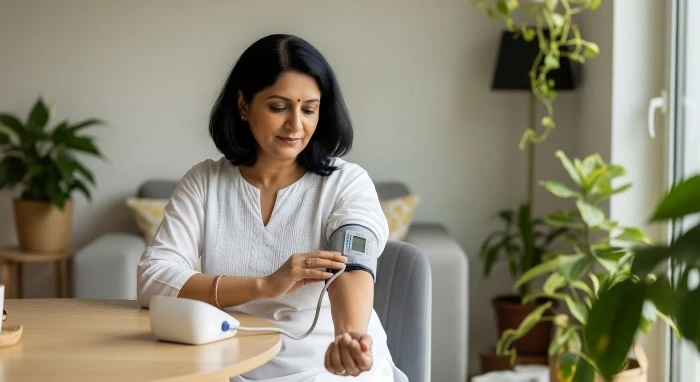
- Your blood pressure rises or falls rapidly, and you feel heart palpitations.
- You notice heart palpitations, new or worsening breathlessness, or a sudden decline in exercise tolerance.
- You notice a clear change in your breathing ability during routine activities or exercise.
Addressing AQI as a Pressing Problem
To sum up, AQI is a pressing problem that can take months and years to improve with sustained interventions from governments, industries, and communities. In the meantime, practical precautions can reduce exposure during harsh winter conditions.
Frequently Asked Questions
There is no single cut-off that is “unsafe” for everyone. In general, as AQI moves into Poor and above, health effects become more likely, especially for sensitive groups. Very Poor and Severe levels can affect a wider population and may trigger serious symptoms for people with existing heart or lung disease.
AQI in winter often worsens because weather conditions such as temperature inversion, lower wind speeds, and reduced dispersion can trap pollutants closer to the ground. This allows pollution levels to build up, especially in urban areas.
Air purifiers with HEPA filters can reduce indoor particulate matter and may help improve comfort for people sensitive to polluted air. Results depend on the purifier capacity, room size, filter maintenance, and how well the indoor space is sealed.
Yes. Poor AQI can be more dangerous for children because their lungs are still developing. They breathe more air per kilogram of body weight than adults. Also, kids may spend more time being active outdoors.