Home Finance
 Personal Finance
 SME Finance
 Loan Against Securities
 Business
 Mutual Funds
 Stock and Securities
 Portfolio Management Services
 Pension Funds
 Real Estate Investments
 Life Insurance
 Health Insurance
 Multiply Wellness
 Motor Insurance
 Travel Insurance
 Pay Bills
 Pay anyone
 Pay on call
 Payment Lounge
 ABC Credit Cards


 1800-270-7000

 ENG
ENG 


World Hypertension Day is observed every year on the 17th of May to raise awareness about hypertension and high blood pressure-induced cardiovascular complications – how to detect, control, and prevent them.
There is a reason why high blood pressure is called the silent killer. The symptoms are often camouflaged as routine tiredness, work pressure, tension, or exertion when you undergo hypertension. Since these signs are a common occurrence in your life, you do not pay much heed to them. At times, you may not even know you have hypertension. This is when heart complications take up an egregious shape.
Ignoring high blood pressure symptoms for a long time can prove to be fatal at a later stage, causing heart failure, aneurysms, dementia, or a stroke. Thus, it is imperative to take good care of your health and monitor the severity of your blood pressure.
What Is High Blood Pressure (Hypertension)?
High blood pressure or hypertension is a condition in which the pressure exerted by the blood against the walls of the arteries is constantly high, which strains the heart muscles as well as the blood vessels. In the long run, it raises the chances of having heart disease, stroke, and kidney issues. It can be referred to as a silent killer, and in many cases, it can arise without any symptomatic problems, which is why constant monitoring is important.
4 Early Warning Signs to Watch For
Take a look at the following 4 early signs of high blood pressure which you should not ignore:
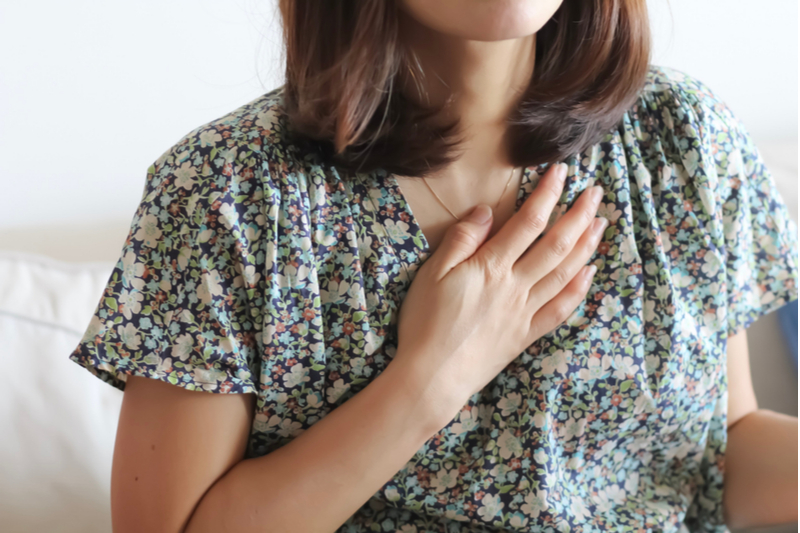
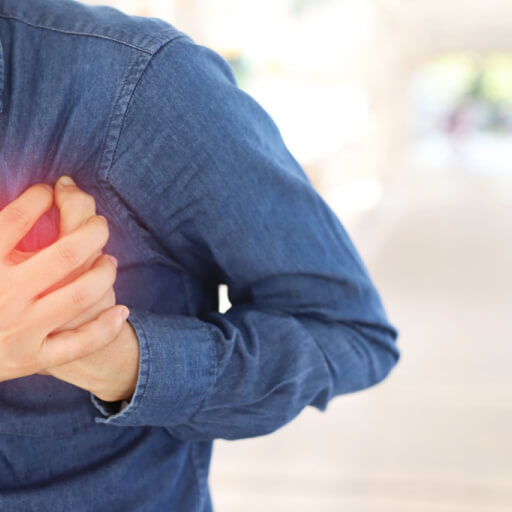
- Shortness of breath – Those who suffer from pulmonary hypertension quickly feel out of breath and face difficulties performing day-to-day activities. Sudden suffocation and tightening in the chest can indicate a stroke or heart attack.
- Blood spot in eyes – Untreated high blood pressure can affect your eyesight. Hypertension can damage the blood vessels in your retina, the area where images focus, enabling you to see. A red spot in the eye or subconjunctival hemorrhage occurs due to increased blood pressure. In addition, excessive pressure on the arterial walls can stretch your tissues, which can further damage your optic nerve if it is not treated promptly. This eye disease is known as hypersensitive retinopathy.
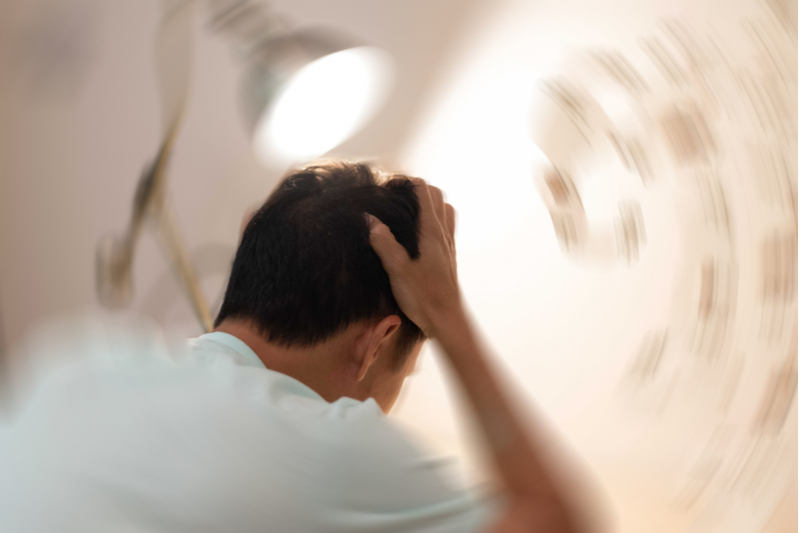
- Dizziness or Lightheadedness: While high blood pressure itself does not directly cause dizziness, regular lightheadedness can sometimes be a side effect of blood pressure medication or a warning sign of other cardiovascular issues. It might be inconsequential, or even one-time, but frequent episodes should not be overlooked, particularly when there is no apparent reason. Getting evaluated by a doctor is crucial to determine the underlying cause.
- Anxiety or Restlessness: While severe anxiety or panic attacks can cause a temporary spike in blood pressure, chronic hypertension itself does not physiologically cause anxiety. However, stress and high blood pressure often form a vicious circle where severe stress increases blood pressure. Constant feelings of agitation should be managed proactively to protect your overall cardiovascular health.
Why You Should Not Ignore These Signs on World Hypertension Day?
The initial stages of high blood pressure are almost entirely asymptomatic and can be easily ignored and easily confused with stress or fatigue. When neglected, the condition silently advances and predisposes the patient to severe complications such as heart disease, stroke and kidney damage.
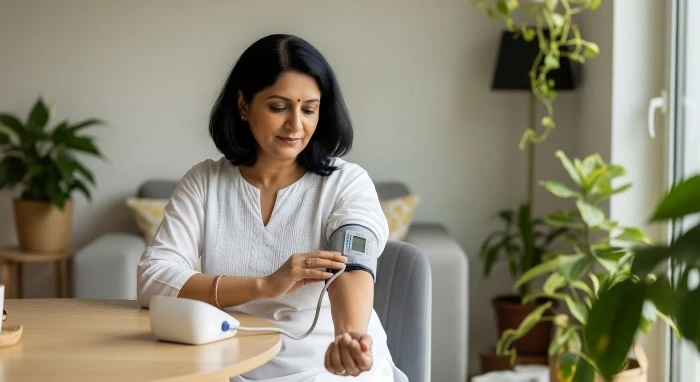
World Hypertension Day brings back the argument that education and prompt intervention can save lives. Early detection of hypertension through routine clinical screenings with a blood pressure monitor can avert the long-term harm associated with the disease.
In the case of blood pressure, what you overlook today may turn out to be a big issue tomorrow.
How to Prevent Hypertension?
On World Hypertension Day, lead a healthy lifestyle by following the tips below to prevent hypertension:
Reduce salt intake
Too much salt elevates blood pressure by causing fluid retention. Restrict processed food, packaged food and restaurant meals. Keep salt intake below 5 grams daily and substitute it with herbs or spices for flavour.
Stay physically active
Exercise makes the heart stronger and blood circulation healthier, thus reducing blood pressure naturally. Target at least 30 minutes of moderate activity such as walking, cycling or swimming on most days.
Manage stress
Chronic stress maintains high blood pressure in the long term. Engage in daily activities such as deep breathing, mini-breaks, or a slight exercise to manage stress and avoid the consequences of stress on your heart over a long period.
Avoid smoking & alcohol
Smoking harms blood vessels and increases blood pressure immediately, and too much alcohol interferes with the health of the heart. Reducing or stopping either is equally helpful in lowering the chances of developing hypertension and other associated problems.
Regular BP checkups
Hypertension usually does not show any symptoms, which makes consistent check-ups indispensable. Monitor your blood pressure regularly, even when you feel well, to identify early changes and respond accordingly.
When Should You See a Doctor?
You want to see a doctor for routine screenings or in case of any persistent health concerns, such as dizziness, breathlessness or unexplained fatigue. You should also consult with a doctor in case your blood pressure levels are constantly above average or you have predisposing conditions such as family history, obesity, or stress. With early evaluations, complications are avoided, and timely treatment is guaranteed.
Don’t Wait for Symptoms, Take Control Today
Hypertension usually remains silent till severe harm is inflicted. Even a few regular, small steps today, in the form of awareness, lifestyle modification, and periodic checkups, can safeguard your health in old age. On this World Hypertension Day, make a promise to yourself to be proactive, be informed and ensure that you prioritise your heart health before it calls your attention by force.
Key Takeaways
- Symptoms of hypertension can often be mistaken for regular tiredness, work-related stress, tension, or physical exertion.
- Four early signs of high blood pressure include shortness of breath, blood spots in the eyes, dizziness, and anxiety.
- Additionally, insomnia can lead to irritability, restlessness, and stress, all of which may be associated with high blood pressure.
Frequently Asked Questions
High blood pressure generally has no early warning signs or symptoms. That’s why it is often called a silent killer.
Hypertension is called a silent killer because it often develops without symptoms and gradually damages important organs.
Clinically speaking, primary hypertension does not have early physical symptoms.
Healthy adults with normal readings and no underlying risk factors should get a screening every year or two. Do it more frequently if advised by a medical professional.
Generally speaking, a normal reading is considered to be less than 120/80 mmHg.