
 Home Finance
 Personal Finance
 SME Finance
 Loan Against Securities
 Business
 Mutual Funds
 Stock and Securities
 Portfolio Management Services
 Pension Funds
 Real Estate Investments
 Life Insurance
 Health Insurance
 Multiply Wellness
 Motor Insurance
 Travel Insurance
 Pay Bills
 Pay anyone
 Pay on call
 Payment Lounge
 ABC Credit Cards



 1800-270-7000

 ENG
ENG 


How to Lower Blood Pressure
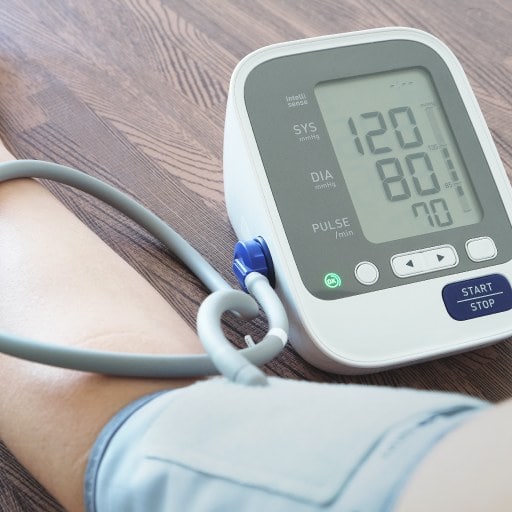
Blood pressure is the pressure applied to the walls of the arteries when your heart pumps blood. Normal blood pressure is 120/80 mm Hg. 120 is the pressure when the heart pumps, known as systolic pressure, and 80 is when the heart relaxes, also known as diastolic pressure. However, high blood pressure can cause many medical problems. As a result, you must know how to lower blood pressure instantly in an emergency.
Types of blood pressure levels
High blood pressure refers to the progressive increase in blood pressure, which can strain the blood vessels and your heart over time. In addition, it narrows the blood vessels, leading to elevated blood pressure levels, further burdening the cardiovascular system.
Before you know “how to lower blood pressure instantly”, it is vital to understand all the types of high blood pressure to treat it better!
Blood Pressure Levels | Systolic (mm Hg) | Diastolic (mm Hg) |
Normal Blood Pressure | Lesser than 120 mm Hg | Lesser than 80 mm Hg |
High Blood Pressure | Between 130 and 139 mm Hg | Lesser than 80 mm Hg |
Stage 1 Hypertension | Between 130 and 139 mm Hg | Between 80 and 89 mm Hg |
Stage 2 Hypertension | More than 140 mm Hg | More than 90 mm Hg |
Hypertensive Crisis | Higher than 180 mm Hg | Higher than 120 mm Hg |
How to Lower Blood Pressure Instantly at Home in an Emergency
If you are wondering how to lower blood pressure instantly or just how to lower blood pressure, here are some of the tricks and practices you can follow:
Sit Down and Stay Calm
If you ever wonder how to lower blood pressure instantly, sit down first. Focus on calming your body. Refrain from sudden movements or panicking. These can worsen the condition. Close your eyes and slow your breathing. Taking a few minutes to stay still can help your heart rate settle.
Drink water
Drinking water can help dilute your blood and temporarily lower blood pressure. Aim to stay adequately hydrated throughout the day, especially during an emergency.
Deep breathing techniques
Deep breathing techniques can help relax your body and promote a sense of calm. For example, take slow, deep breaths through your nose and exhale through your mouth. Reducing stress and tension can help lower blood pressure. Light physical activity, such as brisk walking or gentle stretching, can also help temporarily lower blood pressure.
Cold compression
Placing cold compresses, such as ice packs or cold towels, on your forehead, neck, or wrists can help constrict blood vessels and lower blood pressure. However, ensure the compresses are not too cold to avoid discomfort or skin damage.
Drink hibiscus tea
A cup of hibiscus or chamomile tea can also help you feel calmer. It is a good idea to stock up on these teabags. However, avoid black tea or coffee at this time.
Eat dark chocolate
You can also eat dark chocolate to help release endorphins that will calm you down.
Reduce sodium and increase potassium
Potassium also eases tension in the body. To lower your blood pressure, consider increasing your potassium intake and reducing your salt consumption.
Small, consistent steps over time are the best way to control high blood pressure. However, if you are in an emergency, remember to stay as calm as possible and follow the above points.
Avoid Caffeine and Stress Triggers
Caffeine and stress can temporarily spike blood pressure. If you regularly consume coffee, tea, or energy drinks, avoid them during a sudden BP rise. Instead, sip water to stay hydrated. Move away from stressful environments or conversations. Practising mindfulness, listening to soothing music, or sitting quietly can also help if you’re trying to understand how to lower blood pressure in emergencies at home.
Monitor Your Blood Pressure at Home
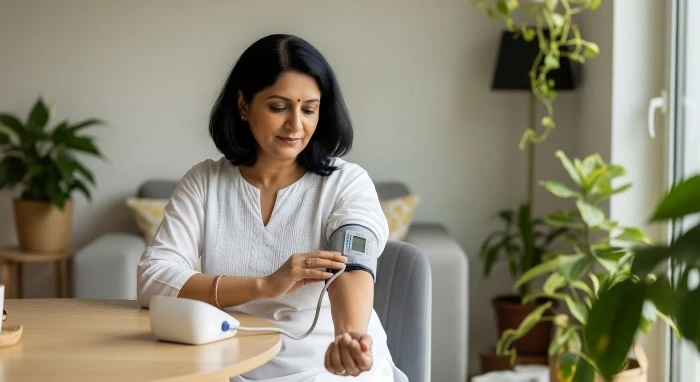
If you have a digital blood pressure monitor, use it to track your readings. Wait for about five minutes after sitting quietly before measuring to get accurate results. Keep a record of your readings and note any sudden changes. Regular monitoring allows you to spot dangerous patterns early.
Lifestyle Habits to Maintain Healthy Blood Pressure
Long-term control of blood pressure depends on daily habits. Follow a diet rich in fruits, vegetables, whole grains, and low-fat dairy products while reducing salt, saturated fats, and processed foods. Engage in at least 30 minutes of physical activity, such as brisk walking or cycling, most days of the week. Maintain a healthy weight and aim for seven to eight hours of sleep daily. Avoid smoking, limit alcohol intake, and find ways to manage stress through meditation or yoga. You can also feel better with simple breathing exercises to lower blood pressure.
When to Seek Immediate Medical Help
Even though certain steps can help temporarily manage a sudden BP rise, emergency care is crucial when readings reach 180/120 mm Hg or higher. If you experience severe headache, chest pain, dizziness, shortness of breath, or blurred vision, seek immediate medical attention.
These symptoms may indicate a hypertensive crisis, which can lead to serious complications such as stroke or heart attack. Do not delay. Visit the nearest hospital or call emergency services right away.
Key Takeaways
- Blood pressure levels can be classified as normal, high, stage 1, or stage 2 hypertension.
- Factors such as stress, medications, and family history can lead to high blood pressure.
- Additionally, drinking water, applying cold compresses, and using deep breathing techniques can help lower your blood pressure instantly.
Frequently Asked Questions
Sit down, stay calm, and take slow, deep breaths. Avoid stressful activity and recheck your BP after a few minutes. If readings remain high or symptoms worsen, seek medical help immediately.
You can temporarily lower your BP by resting, staying hydrated, and avoiding stimulants like caffeine or nicotine. However, these are short-term measures. For long-term management, lifestyle changes and medical advice are essential.
Yes. Drinking water supports healthy circulation and prevents dehydration, which can strain your heart and vessels. It is a simple and safe way to help your BP stabilise in the short term.
Yes. Stress releases hormones like cortisol and adrenaline, which constrict blood vessels and increase heart rate, raising blood pressure.
Foods rich in potassium, magnesium, and fibre, such as bananas, spinach, oats, and beetroot, help relax blood vessels. Limiting salty and processed foods also supports healthier blood pressure levels.
Popular Searches
Diabetes Friendly Food | Plant Based Protein | Heart Attack Vs Cardiac Arrest | Diabetic Skin Conditions | Heart Attack Recovery | Breakfast For Heart Patients | Benefits Of Walking | Constipation | How To Get Good Sleep | High BP In Young Adults | Diet Plan To Loss Weight | Body Fat Percentage | Health Trends | AQI In Winter | Citrus Fruits | AI And Mental Health | Is It Good To Skip Breakfast | Everyday Habits For Health | How Body Processes Food | Is Raisin Good For Thyroid | Warm Water Vs Cold Water | Benefits Of Gond Katira | Health Checkups After 30s | VO2 Max | Smoking In Your 20s Vs 40s
Good suggestions
Really nice tips and I tried one or two tips successfully too.
Thank you for your tips. Seems easy enough.
Thank you so much for the info.
I am looking for ways to RAISE my husband’s blood pressure. He is on meds for it. I take his pressure 2x daily.
PUSH FLUIDS. WATER.
Excellent insights! Prioritizing our health and well-being is crucial, and the tips provided here are both practical and informative. I appreciate how they highlight the importance of both physical and mental health. Looking forward to more content like this!
Awesome and really nice post here. this is refreshing to me to discover what you have here. Keep up the great work!
I’m thoroughly enjoying your blog.
I really like forgathering useful info, this post has got me even more info! .
Well done! I thank you your contribution to this matter. It has been insightful.
Whoah this weblog is magnificent i really like studying your posts. Keep up the great work! You already know, a lot of people are searching round for this information, you can help them greatly.
Real nice pattern and fantastic articles , hardly anything else we need : D.
I truly appreciate this post. I?ve been looking all over for this! Thank goodness I found it. You have made my day! Thank you again
Unquestionably believe that which you said. Your favorite reason seemed to be on the net the easiest thing to be aware of. You managed to hit the nail upon the top and also defined out the whole thing without having side effect , people can take a signal. Will probably be back to get more. Thanks
Glad to be one of the visitors on this awesome site : D.
What a great site!
I am so grateful for it!!
Thank you all for being there!!
Thank you for writing this article. I appreciate the subject too.