
.png)
.png)
.svg)
.svg)
.png)
.svg)

- Key Highlights
- What Does 925 Mean on Silver?
- 925 Silver vs Pure Silver: What Is the Difference?
- Is 925 Silver Real Silver? Quality and Value Explained
- How to Check If Silver Is Genuine 925: 5 Simple Tests
- How to Care for 925 Sterling Silver Jewellery
- How to purchase silver online
- Frequently Asked Questions About 925 Silver
Key Highlights
- 925 silver means the item contains 925 parts silver out of 1000 parts, or 92.5% silver purity.
- Sterling silver and 925 silver are used for the same purity standard in jewellery.
- In India, BIS permits 925 as one of the official fineness grades for silver jewellery and artefacts.
- Tarnishing is normal in 925 sterling silver and does not automatically mean the jewellery is fake.
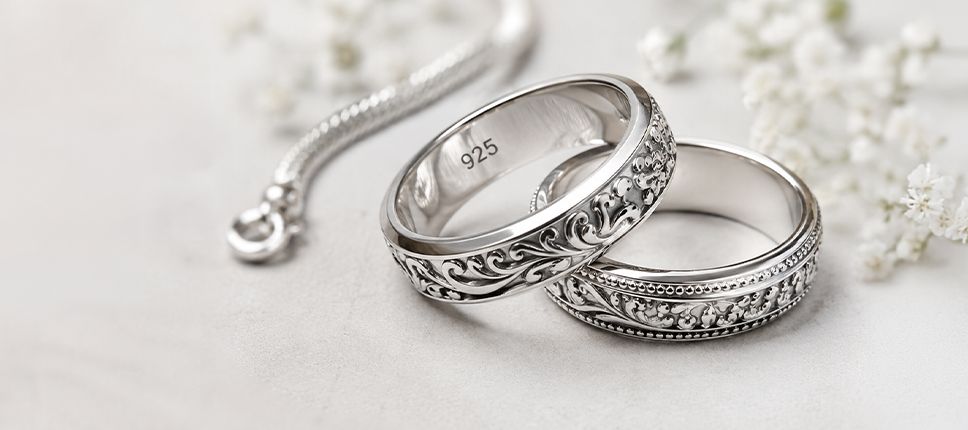
The number 925 stamped on a piece of silver jewellery is a purity mark. 925 silver, also called sterling silver, means the article has 925 parts silver out of 1000 parts, which works out to 92.5% silver purity. The remaining 7.5% consists of other metals, commonly copper, to make the jewellery more suitable for regular use. BIS recognises 925 as one of the permitted silver fineness grades for hallmarking in India, and UK government hallmarking guidance also treats 925 as sterling silver.
What Does 925 Mean on Silver?
925 silver's meaning is simple: 925 out of 1000 parts are silver. In percentage terms, 925 silver means 92.5% silver purity. The remaining 75 parts out of 1000 are other metals that improve the working quality of the jewellery. So, when a ring, chain, bangle, anklet or earring is marked 925, it is not saying that the item is silver-plated. It is saying that the main metal composition meets the sterling silver purity level.
What does '925 silver' mean in everyday buying language? It is the same as sterling silver. 'Sterling silver' is defined by this 925 fineness standard. A 925 stamp may appear as “925”, “S925” or “Ster” depending on the manufacturer and country. In India, buyers should also look for BIS-related purity markings when buying hallmarked silver jewellery. The mark is usually placed on a less visible part of the item, such as the inner side of a ring, the clasp of a chain, the back of a pendant or the inside curve of a bangle.
925 Silver vs Pure Silver: What Is the Difference?
Pure silver has a higher silver content, but it is naturally soft, malleable and ductile. This is useful in some industrial and decorative uses, but it is not always practical for daily-wear jewellery. 925 sterling silver solves that issue by keeping most of the silver content while adding a small portion of alloy metal. That is why 925 silver jewellery is widely used for rings, earrings, bracelets, chains and pendants.
Silver-plated jewellery is different. A plated item has a thin silver layer over another base metal. It may look similar when new, but it is not solid sterling silver throughout the piece. Over time, the outer layer can wear down, and the base metal may show. For buyers, the checking is 925 silver, real silver. This is the main point: 925 silver is a silver alloy, while silver plating is only a surface coating.
Why Is Copper Added to Silver?
Silver is valued for its shine and workability, but pure silver can bend, dent or scratch more easily in regular jewellery use. That is why 925 sterling silver uses an alloy format. The official 925 silver purity level leaves 75 parts out of 1000 for other metals. Copper is commonly used for that balance, though some modern alloys may use other metals to reduce tarnishing or improve finish. For buyers, the key point is not the alloy recipe alone; it is whether the item is correctly marked and sold as 925 silver.
Is 925 Silver Real Silver? Quality and Value Explained
Yes, 925 silver is real silver. It is not pure silver, but it is a genuine silver alloy with high silver content. BIS lists 925 as an accepted grade for silver jewellery and artefacts, so the number is not a marketing trick when it is used correctly. This is why the answer to " Is 925 silver real silver?' is yes.
Is 925 good silver quality? For most jewellery buyers, the answer is yes. It gives a practical balance between purity, durability and price. Compared with plated jewellery, 925 sterling silver has silver throughout the article, not just on the surface. That gives it better long-term value and a higher intrinsic metal value than plated pieces.
A buyer should still check authenticity before paying. A 925 stamp alone is useful, but it is not enough if the seller is unreliable. In India, BIS says hallmarking is meant to give third-party assurance that the buyer gets the right purity of gold or silver for the price paid. If you are buying a costly silver article, ask for the bill, purity details and seller details. If the item is hallmarked, check whether the seller can explain the mark clearly.
Also Read: 999 Fine Silver: What the Purity Mark Means
How to Check If Silver Is Genuine 925: 5 Simple Tests
1. Hallmark check
Start with the mark on the jewellery piece. Look for “925”, “S925” or “Ster” on the piece. For Indian buyers, the more useful check is whether the article has BIS-related hallmarking and a proper invoice. BIS permits silver jewellery hallmarking in the grades 800, 835, 900, 925, 970 and 990, so 925 is an official silver fineness grade.
2. Magnet test
Silver is not strongly magnetic. If a chain, ring or bangle sticks firmly to a magnet, it is a warning sign that the item may contain another metal in a major way. This is only a screening test. It cannot prove 925 silver purity by itself because some fake items may also be non-magnetic.
3. Ice test
Silver conducts heat very well. For a simple home check, place an ice cube on the silver piece and another ice cube on a non-metal surface. If the jewellery is genuine silver, the ice on it should start melting faster, as heat moves through silver quickly. This is not a legal purity test, but it can support your first-level check.
4. Smell and surface check
Genuine 925 silver should not have a harsh, sharp metallic smell. A strong smell, uneven colour or peeling surface may point to base metal or plating. Check corners, joints and the back of the item, because plating often wears first in these areas.
5. Seller verification
Buy from a seller who gives a bill and can clearly mention the purity. BIS says consumers can get hallmarked or unhallmarked jewellery tested at BIS-recognised assaying and hallmarking centres, but this is chargeable. This is the safest route when the purchase value is high or when the item is inherited, old or bought without clear paperwork.
When buying in India, check the stamp location carefully. Rings are usually marked inside the band. Chains may be marked near the clasp. Pendants are often marked at the back or on the bail. Bangles may be marked on the inner side. Avoid pieces with no stamp, no bill, unusually low pricing, unclear seller details or a seller who refuses to explain the purity mark.
How to Care for 925 Sterling Silver Jewellery
925 sterling silver can tarnish over time. Tarnish does not automatically mean the silver is fake. Silver and silver alloys can react with air pollutants, especially sulphur compounds, and this can create a darker surface layer. Moisture, perfume, sweat, lotion, hair spray and storage with other metals can speed up the process.
A simple care routine is enough for most 925 silver jewellery pieces. Store every piece in a dry airtight pouch or anti-tarnish cloth bag. Keep chains and earrings separate so they do not scratch each other. Remove 925 sterling silver before swimming, bathing, applying perfume or using strong cleaning products. After wearing, wipe the piece with a soft dry cloth to remove sweat and skin oils.
When tarnish appears, use a silver-specific polishing cloth or mild soap and water. Dry the jewellery completely before storing it again. Do not scrub stone-studded or oxidised silver pieces harshly. In oxidised jewellery, the dark finish is often part of the design, so aggressive polishing can spoil its look. With regular cleaning and proper storage, 925 silver jewellery can remain wearable for many years.
How to purchase silver online
Before even considering purchasing silver, you need to be sure of its quality and origin. You need to have clarity that the purchase you are making is legitimate. Digital Silver from Aditya Birla Capital allows for you own the silver within just a few minutes via a few simple clicks on your smartphone. With just ₹10, you can start making your investments in silver while also benefiting from comprehensive insurance for your silver, unmatched liquidity and security from the best in the business.
Also Read: How to Check Silver Purity
Frequently Asked Questions About 925 Silver
What does 925 mean for silver jewellery?
925 is a fineness mark. It means the piece contains 925 parts silver out of 1000 parts, or 92.5% silver purity. The remaining 7.5% is made up of other metals. This percentage is the standard commonly understood as sterling silver in jewellery.
Is 925 silver the same as sterling silver?
Yes. 925 silver and sterling silver refer to the same purity level. Sterling silver's meaning is connected to a 925 fineness mark, which means 925 parts silver per 1000 parts. In simple terms, what is sterling silver? It is a 92.5% silver jewellery alloy.
Does 925 silver tarnish?
Yes, 925 silver can tarnish. Tarnish is a surface reaction that does not automatically mean the item is fake. Air pollutants, moisture and sulphur compounds can darken silver and silver alloys. Cleaning with a silver cloth and storing it in a dry pouch helps reduce tarnish.
Can 925 silver cause skin reactions?
Most people wear 925 silver without trouble, but skin reactions can happen if a wearer is sensitive to metals used in the alloy. No official Indian government source was found that provides a fixed reaction rate for 925 silver jewellery. If redness, itching or irritation appear, stop wearing the item and check with a doctor.
What is the difference between 925 silver and silver-plated jewellery?
925 silver is used throughout the jewellery article. Silver-plated jewellery has only a thin silver layer over a different base metal. The plated layer can wear off with use, while 925 sterling silver keeps its silver composition through the piece.
How long does 925 silver jewellery last?
925 sterling silver jewellery can last many years if it is stored and cleaned properly. Keep it dry, avoid chemicals and wipe it after wearing. Its lifespan depends on usage, design thickness, care routine and whether it is a solid 925 silver item rather than a plated piece.
The information contained herein is generic in nature and is meant for educational purposes only. Nothing here is to be construed as an investment or financial or taxation advice nor to be considered as an invitation or solicitation or advertisement for any financial product. Readers are advised to exercise discretion and should seek independent professional advice prior to making any investment decision in relation to any financial product. Aditya Birla Capital Group is not liable for any decision arising out of the use of this information.
.svg)


.webp)
