 PLAY STORE
 APPSTORE
 1800 270 7000


 Download




















 Attractive returns





















 Life Insurance
 Health Insurance
 Mutual Fund
 Home Finance
 Personal Finance
 Stocks & Securities












What is
Dental Insurance?
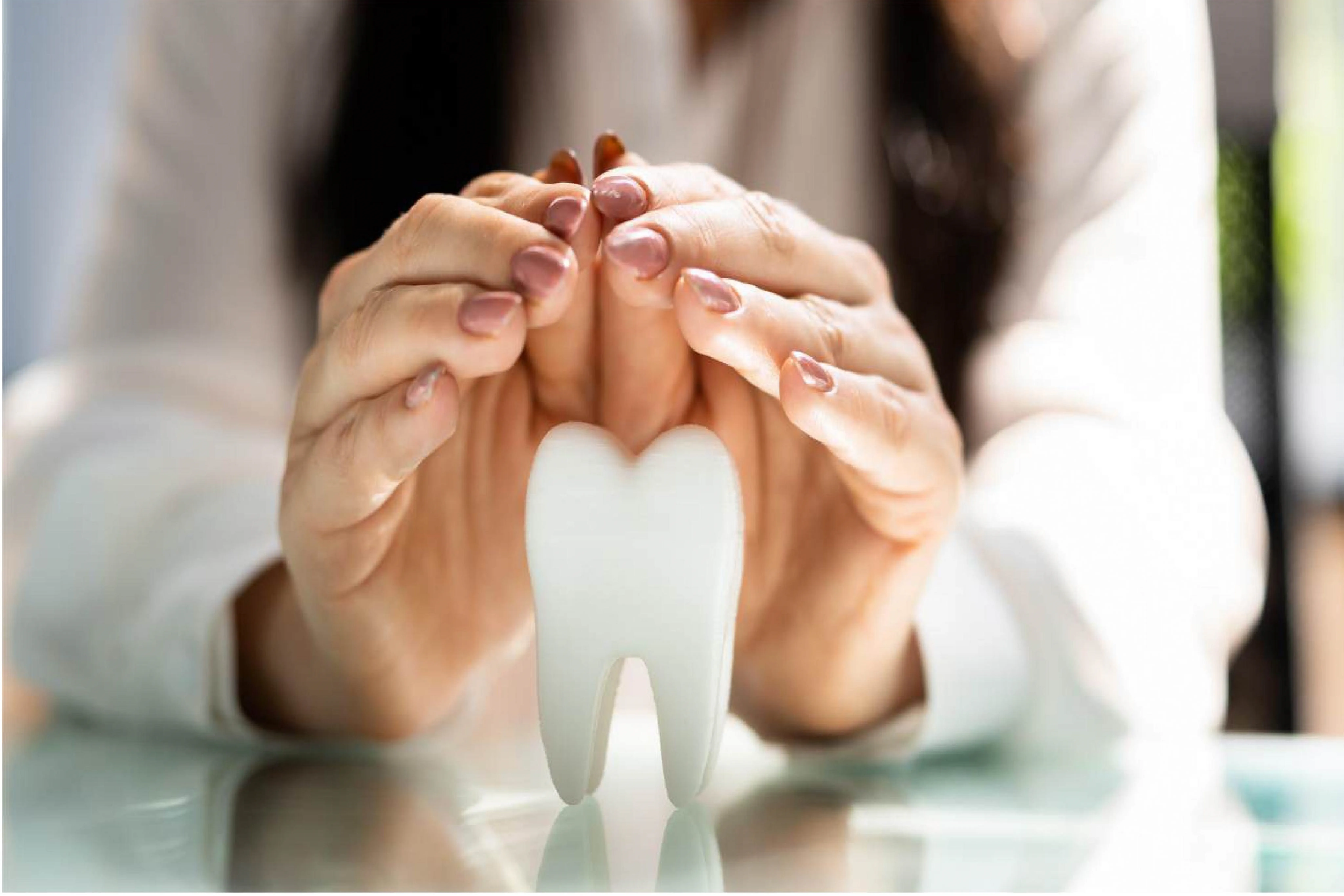
Dental insurance is a type of health insurance that specifically covers costs related to teeth care, including routine check-ups, cleanings, fillings, root canals, and sometimes cosmetic procedures. A good dental insurance plan helps reduce out-of-pocket expenses and supports preventive dental care. It works on either a reimbursement basis or through a network of affiliated dentists.
People opt for dental insurance cover to maintain oral health while avoiding large expenses for treatments. It can be purchased as a standalone policy or added to a pocket insurance bundle.
● Covers routine dental check-ups and major procedures● Supports timely and preventive oral healthcare
● Can be availed as an individual or bundled plan
Check your Eligibility and Document Required for
Dental Insurance
Check your Eligibility Criteria In Dental Insurance
Before applying for dental coverage, you must meet the following requirements:
-
Indian Residency :
You must be a resident of India to apply for a dental insurance plan. -
Age Between 18 and 65 :
Most insurers accept individuals aged 18 to 65. Children may be covered under family floater plans. -
No Major Ongoing Dental Treatment :
Applicants should not have any major dental treatments in progress at the time of applying. -
Valid Identity and Address Proof :
Government-approved ID and address proof are required as part of the eligibility process. -
Additional Requirements for High-Value Plans :
Some insurers may ask for income proof or health declarations for premium plans.
Documents Required for Dental Insurance
Here are the documents you require for a dental health insurance:
-
Identity Proof :
Accepted documents include Aadhaar Card, PAN Card, or Passport. -
Address Proof :
Submit any valid proof such as utility bills, Aadhaar, or driving licence. -
Age Proof :
Birth certificate, school leaving certificate, or Aadhaar Card may be accepted. -
Passport-Size Photograph :
A recent passport-size photograph is required for the proposal form. -
Medical History :
If the insurer requests, you may need to provide past dental or medical records. -
Filled Application Form :
A duly completed and signed proposal form is essential for policy issuance.
Get Insured in 5 Easy Steps for
Dental Insurance
Here's how you can get dental coverage or dental insurance in five easy steps:
Choose the Right Plan
Compare different dental insurance policies and pick one that suits your specific oral health requirements.
Check Eligibility
Make sure you meet the insurer’s eligibility criteria, including age limits and waiting period conditions.
Fill the Proposal Form
Complete the application form online or offline with accurate personal and medical details.
Submit Documents
Provide necessary KYC documents like ID proof, address proof, and medical history if required.
Make Payment
Pay your premium online through a secure payment gateway and receive your policy instantly.
Customer Satisfaction Stories


Aditya Birla Health Insurance


Aditya Birla Health Insurance has been my companion in my weight loss journey of losing 17 Kgs and helping me stay disease-free. Health Returnsᵀᴹ keeps my whole family motivated to be active and stay fit and each person can do the exercise of their choice

Aditya Birla Health Insurance Customer
 Delhi, India


Aditya Birla Health Insurance Customer
Staying healthy has become a way of life. I really enjoy using the Activ Health app that gives all my health solutions at one place.
Aditya Birla Health Insurance Customer
Noida, India


Aditya Birla Health Insurance
Understanding Dental Insurance
How does dental insurance work?
Dental health insurance helps reduce the financial burden of oral healthcare by covering a part of your treatment costs.
• Premiums and Coverage
You pay a monthly or annual premium to stay insured.
• Percentage-Based Benefits
Insurer covers a portion of each procedure—typically between 50% and 100% depending on treatment type.
• Deductibles and Co-Pays
You may need to pay a certain amount before the insurance kicks in.
• Preventive vs Major Services
Preventive treatments like cleanings are often covered fully; major services might have waiting periods.
• Cashless or Reimbursement
Use a network dentist for cashless service or opt for reimbursement claims if using an outside provider.
What does dental insurance typically cover?
Most dental policies cover basic, preventive, and some advanced procedures, depending on the plan.
• Routine Check-ups and Cleanings
Covered under most dental plans at 100%.
• Fillings and Extractions
Basic treatments are typically covered partially or fully.
• Root Canals
Usually covered after waiting period or deductible.
• X-rays and Diagnostics
Often included to assist in diagnosis and treatment planning.
• Gum Treatments
Covered by comprehensive dental policies.
• Orthodontic Treatments
Included in select premium plans or child-specific policies.
• Crowns, Bridges and Dentures
Coverage may vary; check individual plan details.
How much does dental insurance cost?
Premiums vary based on the level of dental coverage, insurer, and whether you choose individual or family plans.
• Monthly Premiums
Start as low as ₹150 and go up to ₹800 depending on benefits.
• Affordable Pocket Insurance
Low-cost plans cover preventive treatments and basic oral care.
• Custom Plans
More expensive plans offer broader coverage and higher sum insured.
What is a dental waiting period?
This is the initial period during which certain dental treatments are not covered under the dental health insurance plan.
• Immediate Cover
care like cleanings may be covered from day one.
• 6–12 Month Delay
Major procedures like crowns, root canals, or braces may require a waiting period.
• Check Policy Terms
Waiting periods differ by insurer and treatment type.
What is a dental deductible?
A deductible is a fixed amount you must pay before your insurer shares the cost of dental care.
• Out-of-Pocket Start
You pay the deductible first—insurance kicks in after.
• Example Calculation
If deductible = ₹500 and bill = ₹2,000, insurer pays for ₹1,500 as per policy.
• Annual Deductibles
Some policies reset the deductible annually.
Can I use my dental insurance at any dentist?
The flexibility of your dental coverage depends on whether the dentist is within the insurer’s network.
• Network Dentists
Enable cashless claim processing.
• Out-of-Network Dentists
A reimbursement claim can be filed with the required documents.
• Verify Before Visit
Check the insurer portal to confirm whether your dentist is covered.
How often can I get a dental cleaning with insurance?
Most dental coverage policies offer periodic cleanings to encourage preventive care and oral hygiene.
• Twice a YearGenerally, two cleanings per year are allowed.
• Additional Cleanings
Premium plans may allow more, depending on the oral health rider.
• Check Frequency Limits
Some policies may have per-visit or annual caps.
Is dental insurance worth it?
Dental health insurance offers cost protection and promotes preventive dental care for individuals and families.
• Cost Savings
Reduces out-of-pocket costs for regular and emergency dental needs.
• Preventive Focus
Encourages routine care, reducing the chances of severe dental issues.
• Best for Families
Ideal for kids, seniors, or individuals with recurring dental needs.
Need Help with Dental Health? Find a Dentist & Submit a Claim Online
Get access to qualified dental care and manage claims easily through your insurer’s digital services.
• Locate Network Dentists
Use your insurer’s online tool to find nearby approved clinics.
• Submit Claims Online
Upload bills and reports digitally for quick processing.
• Faster Approvals
Digital submissions are processed more efficiently than paper-based claims.
Things To Keep in Mind

Comprehensive Coverage
Ensure it covers routine check-ups, eyeglasses, contact lenses, and surgeries.

Network Providers
Choose a plan with your preferred eye doctors and clinic.

Coverage Limits
Understand annual and lifetime coverage limits.

Exclusions and Waiting Periods
Be aware of limitations and waiting times.
Affordability
Select a plan that fits your budget.
Claims Process
Opt for a hassle-free claims process with quick reimbursements.
Additional Benefits
Look for discounts, telehealth consultations, and other perks.
Our Dental Insurance Plan At A Glance.
Most Popular
 Dental Insurance Plan
 KEY FEATURES
- In-person dental consultation
- Up to 30% discount on diagnostics
- Up to 15% discount on dental procedures and pharmacy

Cover
Up to 5 Sessions
Premium Starting From
Rs. 415/ Year
ABCD: One app
Secure yourself and your loved ones financially with life insurance. Buy online through the ABCD app and get instant coverage.
-
 Wide range of insurance policies
 -
Online premium payments
-
Plan purchase in few clicks
 PLAY STORE
 APP STORE
.webp?extension=webp)
.webp?extension=webp)


Scan the QR code to download our Mobile App

Our Other Plans

Personal Accident Insurance
This policy provides financial protection against accidental injuries. It's a safety net for unforeseen circumstances.
Know More
Hospital Cash Insurance
Hospital Cash Insurance offers daily cash benefits on hospitalisation for treatment due to illness or injury.
Know More
Eye Care Insurance
Eye care insurance provides coverage for various eye-related treatments.

Mental Health and Nutrition Insurance
The mental health and nutrition insurance provides counselling for both nutrition and mental health purposes. A 24/7 psychologist is also available online.
ABC Of Insurance
The information provided here is for general understanding only and does not constitute financial advice or an offer of insurance. All dental insurance policies are subject to the terms, conditions, exclusions, and limitations set forth by the respective insurers. Please read the policy document carefully before purchasing. Coverage benefits and premiums may vary based on individual health profiles and insurer guidelines. Aditya Birla Capital is not responsible for decisions made solely based on this content. For specific queries, consult a licensed insurance advisor or visit the official website.