.png)
.png)
.svg)
.svg)
.png)
.svg)

- Key Highlights
- What Is 999 Fine Silver? Definition and the Millifinal Fineness System
- How the BIS Grades Silver Purity in India
- 999 Fine Silver vs 925 Sterling Silver: Key Differences
- Where 999 Fine Silver Is Used: Coins, Bars, Jewellery, and Industry
- How to Read a BIS Hallmark When Buying 999 Silver
- Simple At-Home Checks to Identify Silver
- What Is 999 Fine Silver Worth? How Price Is Calculated in India
- Caring for 999 Fine Silver: Storage and Cleaning Tips
- Purchasing 99.9% Silver online
- FAQS – FREQUENTLY ASKED QUESTIONS
Key Highlights
- 999 fine silver means silver with 999 parts pure silver out of 1000 parts.
- 99.9% pure silver is mainly useful for coins, bars, gifting pieces, and low-contact articles.
- For jewellery in India, BIS currently lists silver hallmark grades of 800, 835, 900, 925, 970 and 990 under IS 2112:2014, not 999.
- Silver under HSN 7106 is listed in Schedule IV at 3% IGST.
What Is 999 Fine Silver? Definition and the Millifinal Fineness System
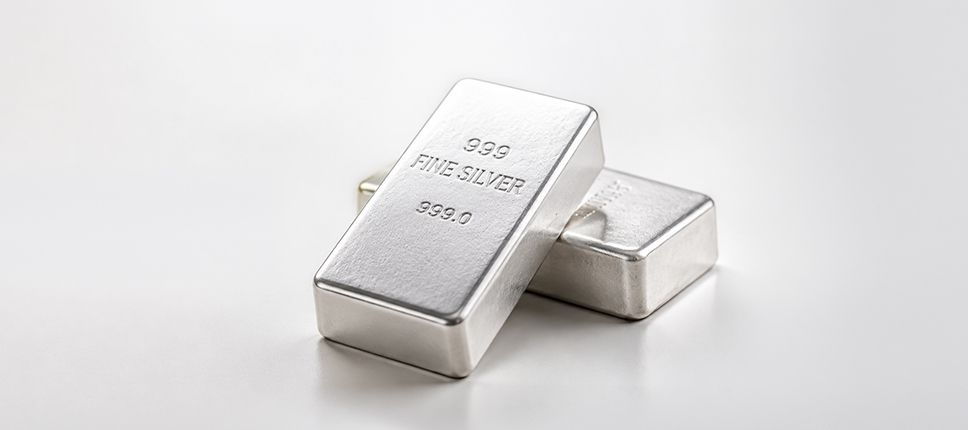
999 fine silver, also written as 99.9% pure silver, means 999 parts out of 1000 parts are pure silver. The remaining 0.1% may consist of trace metals or unavoidable refining residue. This is the basic 999 silver meaning in the millesimal fineness system, where purity is expressed in parts per thousand.
In simple terms, 999 fine silver, 999 silver and 99.9% pure silver usually refer to the same purity level. This is why a buyer asking what 999 silver is is really asking how much of the article is actual silver and how much is alloy or trace material.
The fine silver meaning is different from that of sterling silver. Fine silver focuses on high purity, while sterling silver focuses on practical strength for jewellery.
Silver has a density close to 10.49 g/cm³ at room temperature and 960.5°C is the freezing point.
How the BIS Grades Silver Purity in India
BIS states that IS 2112:2014 permits hallmarking of six grades of silver jewellery and artefacts: 800, 835, 900, 925, 970 and 990.
This point matters because many Indian buyers see 999 silver coins, 999 silver bars or gift items in shops and assume the same BIS jewellery hallmark system applies. Buyers should therefore check whether a 999 item is sold with a mint certificate, refinery certificate, bill, brand purity declaration or lab report, instead of relying only on the word “hallmark”.
999 Fine Silver vs 925 Sterling Silver: Key Differences
The 999 silver purity level is higher than 925 sterling silver, but higher purity is not always better for every buyer. For investment silver, 999 is usually easier to understand because the value is closer to the metal content. For everyday jewellery, 925 often performs better because it contains added alloy metal, usually copper, which gives the article more strength.
The practical difference between fine silver and sterling silver is therefore simple. Choose 999 fine silver if your main purpose is purity, gifting or silver accumulation. Choose sterling silver if you want rings, chains, anklets, earrings or items that will be worn regularly.
Also Read: 925 Sterling Silver: Meaning and Purity
Where 999 Fine Silver Is Used: Coins, Bars, Jewellery, and Industry
999 fine silver is commonly used for investment-style products such as coins and bars because buyers can calculate the metal value more easily.
For gifting, 999 silver is popular in coins, small bars, religious pieces, festive gifts and commemorative articles. In these cases, buyers usually care more about purity and presentation than daily durability.
For jewellery, 999 fine silver can work for simple, low-impact designs, but it is not the best choice for detailed stone settings, thin links or daily-wear items. A jewellery buyer should not assume that a higher purity number automatically means a better purchase. The right purity depends on how the article will be used.
Silver is also used in industrial applications because of its physical and chemical properties.
How to Read a BIS Hallmark When Buying 999 Silver
A BIS hallmark is an official purity assurance system for hallmarked gold and silver jewellery or artefacts. BIS says hallmarking protects consumers against purity-related malpractice and provides third-party assurance that the customer gets the right purity for the price paid.
For silver jewellery, the older BIS hallmark structure included the BIS mark, fineness mark, assay centre identification mark or number, and jeweller identification mark or number; the silver fineness marks shown in the BIS hallmarking brief were 990, 970, 925, 900, 835 and 800.
If a seller describes an item as a BIS hallmark 999 silver or uses the phrase 999 silver hallmark, ask for the exact proof. As per the BIS, the permitted silver jewellery grades do not include 999.
BIS also says that a registered jeweller should display the BIS logo with the wording “Hallmarked jewellery available for sale”, keep the registration certificate visible, and provide a magnifying glass of minimum 10X magnification to show the hallmark to the customer.
Simple At-Home Checks to Identify Silver
At-home checks can only help you screen a silver article. They cannot replace professional testing.
Still, a buyer can do three basic checks before paying. First, check whether the article is attracted to a strong magnet; real silver should not behave like iron or steel. Second, check the weight on a reliable scale and compare it with the bill or product label. Third, inspect the surface and markings under bright light or with a magnifier.
For official checking, use a BIS-recognised assaying and hallmarking centre where applicable. BIS provides an official list of recognised hallmarking centres through its hallmarking centre page.
What Is 999 Fine Silver Worth? How Price Is Calculated in India
The answer to 'What is 999 silver worth?' changes daily because silver prices move with global bullion prices, currency rates, local demand, taxes and seller charges.
A simple price formula is: international silver price per troy ounce ÷ 31.103 grams × USD-INR rate = estimated base price per gram before local charges. The 31.103 gram figure is supported by the U.S. Mint’s silver bullion coin specification of one troy ounce as 31.103 grams.
After the base metal value, the buyer may pay minting charges, making these charges, packaging charges, seller margins and tax. The charge should be checked on the bill before purchase.
Caring for 999 Fine Silver: Storage and Cleaning Tips
999 fine silver needs careful handling because high-purity silver can show scratches, fingerprints and surface marks more easily than harder alloys. Store coins and bars in their original capsules, sealed pouches or dry boxes. Keep them away from humidity, rubber, wool, chemicals and perfumes.
For cleaning, use a soft, lint-free cloth and avoid rough powders or abrasive pastes. If the silver is a collectable coin, do not polish it aggressively because cleaning marks may reduce resale appeal. Hold coins and bars by the edges so finger oils do not leave spots on the surface.
Tarnish does not usually mean that silver has lost its purity. It is a surface reaction. If resale is the main purpose, avoid unnecessary cleaning and keep the bill, certificate, packaging and weight details together.
Also Read: How to Check Silver Purity
Purchasing 99.9% Silver online
Purchasing Silver online is a hassle-free way to get access to silver without having to figure out storage, insurance, and purity. Aditya Birla Capital offers Digital Silver starting at just ₹10, and the transaction, and transfer of ownership is done instantly online. You can purchase silver as an asset, and keep it with you indefinitely without having to worry about insurance, security and how pure it is.
FAQS – FREQUENTLY ASKED QUESTIONS
Is 999 silver the same as pure silver?
In the retail market, 999 silver is commonly treated as pure silver, as it indicates 99.9% purity. Technically, it is not 100% silver; it means 999 parts out of 1000 are silver. This is the practical fine silver meaning for coins, bars and many gift articles.
Can 999 silver be used for daily-wear jewellery?
999 silver can be used for simple jewellery, but it is not ideal for daily-wear pieces that face bending, rubbing or impact. 925 sterling silver is usually more practical for regular jewellery because it is harder and more durable.
How do I know if my silver is really 999 purity?
Check the product stamp, invoice, certificate and seller details. For jewellery in India, also check that the BIS hallmark grade is one of the official silver jewellery grades listed by BIS. If you are buying a 999 coin or bar, make sure to ask for a mint or refinery certificate and a proper bill.
Does 999 silver tarnish?
Yes, 999 fine silver can tarnish. Tarnish is a surface change that does not automatically mean the silver is fake or of lower purity. Store it in a dry airtight pouch and avoid chemical exposure to slow down surface marks.
What is the difference between 999 and 9999 silver?
'999' means 99.9% purity. '9999' generally means 99.99% purity, following the same millesimal-style purity logic.
Is 999 silver a good investment in India?
999 silver can be suitable for buyers who want physical silver in an easy-to-understand purity level. However, resale depends on the live silver rate, GST, spread, making or minting charges, seller trust, and documentation. Always compare the final bill value with the metal value before buying.
The information contained herein is generic in nature and is meant for educational purposes only. Nothing here is to be construed as an investment or financial or taxation advice nor to be considered as an invitation or solicitation or advertisement for any financial product. Readers are advised to exercise discretion and should seek independent professional advice prior to making any investment decision in relation to any financial product. Aditya Birla Capital Group is not liable for any decision arising out of the use of this information.
.svg)


.webp)
