Home Finance
 Personal Finance
 SME Finance
 Loan Against Securities
 Business
 Mutual Funds
 Stock and Securities
 Portfolio Management Services
 Pension Funds
 Real Estate Investments
 Life Insurance
 Health Insurance
 Multiply Wellness
 Motor Insurance
 Travel Insurance
 Pay Bills
 Pay anyone
 Pay on call
 Payment Lounge
 ABC Credit Cards



 1800-270-7000

 ENG
ENG 


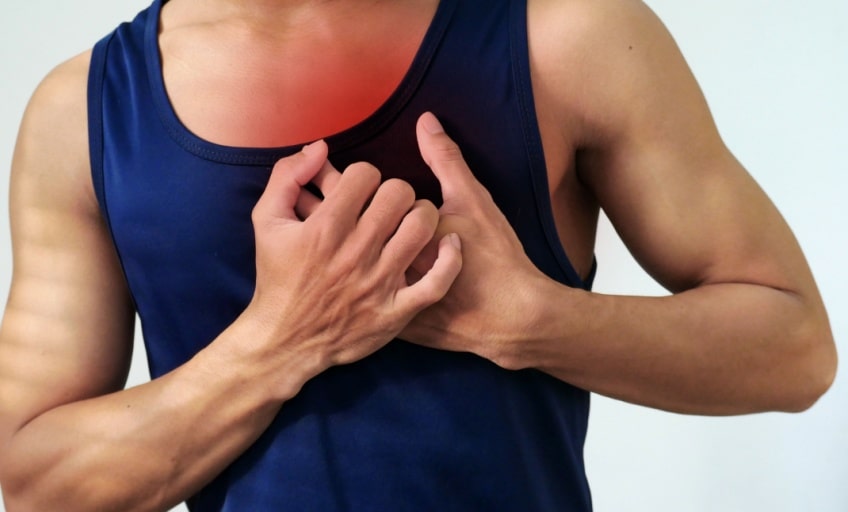
Different joint pains as an indicator of heart disease
Let us look at the various types of joint pain as possible indicators of heart disease:
Jaw pain and angina
Jaw pain can be a symptom of angina, a temporary chest pain or pressure that occurs when the heart’s oxygen needs aren’t met by the amount of blood supplied. This can happen when the arteries are narrowed. Angina can also cause pain or discomfort in the jaw, neck, back, shoulders, arms, and throat. The pain can feel like heaviness, tightness, squeezing, or pressure. Some people with angina may feel chest discomfort but no pain at all. Other symptoms of angina include dizziness, fatigue, and shortness of breath.
Shoulder and Arm Pain

Shoulder and left arm pain may be related to issues with your heart if that pain is caused by decreased blood flow. This type of discomfort has a different feel than a sharp, stabbing pain; instead of that sharp joint injury, symptoms often include a dull or weighted feeling that feels spread out rather than isolated. You might also experience potential tightness in your chest, shortness of breath and/or fatigue.
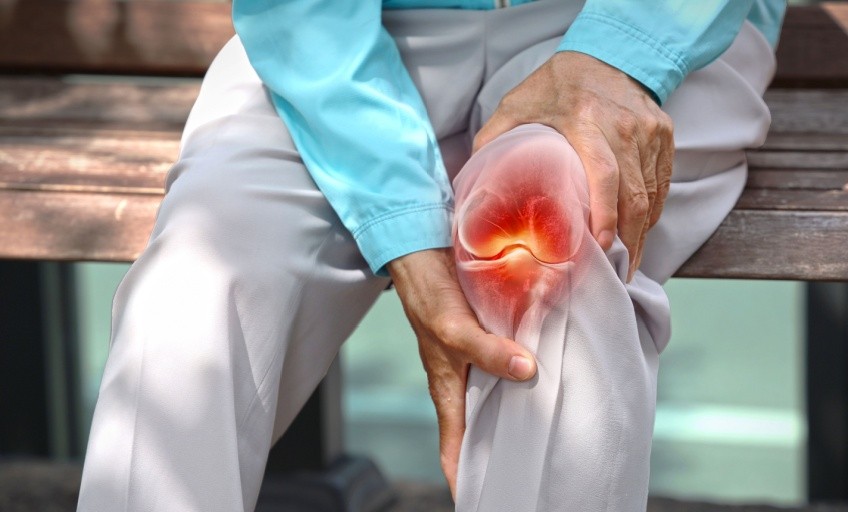
Knee and Leg Pain
Knee and leg pain may also be a sign of poor circulation as a result of clogged arteries (this is called peripheral artery disease). While it can feel like it is coming from the joints, this decreased blood flow often causes symptoms of pain, cramping, or heaviness in the muscles while you are walking or doing any type of physical activity.
When does joint pain signify heart trouble?
Let us look at the potential ways joint pain can signify heart trouble:
Persistent joint pain without a clear cause
Persistent joint pain without a clear cause could, in rare cases, be a sign of heart trouble:
- Rheumatoid arthritis is a high-risk factor for developing heart disease.
- Gout, a form of arthritis characterized by sudden, severe joint pain (usually in the big toe), has been linked to an increased risk of heart disease.
- Infective endocarditis is an infection of the heart valves.
- Autoimmune disorders, such as lupus, can increase the risk of heart problems.
- Coronary artery disease can, in rare cases, pose pain in the joints.
Joint pain accompanied by chest pain
Joint pain accompanied by chest pain can signify heart trouble, particularly if the pain radiates to the shoulder, arm (especially the left arm), neck, or jaw. This combination of symptoms may indicate:
- Referred Pain from a Heart Attack
- Angina (Chest pain due to reduced blood flow to the heart)
- Pericarditis (Inflammation of the heart lining)
Other concerning signs include shortness of breath, sweating, nausea, or dizziness.
Unexplained weight loss
Unexplained weight loss combined with joint pain could signal heart trouble. Infective endocarditis, a heart infection, may cause both symptoms due to chronic infection and inflammation. In rheumatoid arthritis, chronic inflammation can lead to weight loss and an increased risk of heart disease. Additionally, certain cancers that impact the heart can cause these symptoms. If you experience joint pain with unexplained weight loss, a thorough medical evaluation is essential to rule out underlying heart issues.
4 Ways to protect your heart and joints
Regular exercise and a healthy weight

Movement is important for managing these conditions. Start slowly and adopt an exercise routine that fits your current fitness level. Try these arthritis-friendly exercises:
- Walking can give your body a chance to get up and about and work out.
- Swimming pool-based exercises can be safe and effective, and the buoyancy of water can relieve stress on joints.
- Biking, whether you prefer a stationary bike or getting out on the trails, can be an effective workout.
- Elliptical machines can be another option for getting a low-impact workout that is easier on your joints.
Keep your weight in check with these exercises.
Follow a Heart and Joint-Friendly Diet
A balanced diet is important to ensure good heart functioning, besides fostering healthy joints. Consumption of the right foods will assist in reducing the amount of inflammation in your body, establish improved blood circulation, and maintain your body at the most appropriate weight. These three aspects are very important in ensuring that your heart is safe and your joints stay functional.
Manage Stress and Get Quality Sleep
Long-term stress may be harmful to your body, cause more inflammation, and may be one of the major sources of joint pains and heart complications. The most effective method of controlling your stress level is to employ a wide range of relaxation methods, focusing on getting more quality sleep. This assists in controlling your general hormone levels, lowering pain sensitivity, and getting your cardiovascular system and musculoskeletal system healthy.
Go for Regular Health Checkups
When getting treatment for issues related to joint pain, routine health check-ups can provide you with a better chance to catch any early indications of heart disease, inflammation or circulatory issues that might also present as joint pain. By doing routine health checks, you may have more opportunities to receive treatment early and lessen your risk for complications later on.
When Should You See a Doctor?
Seek medical attention if:
- Persistent or gets worse without being related to a specific injury;
- Accompanied by chest pain, difficulty breathing, or dizziness;
- Radiating to your arm, jaw or back;
- Aggravated by exercising or getting better with rest;
- Associated with any swelling, numbness, or colour change in your arms or legs;
Getting evaluated at the time the pain started may assist in eliminating possible heart-related conditions as the cause of your joint pain.
Key Takeaways
- Jaw, shoulder, and knee pain can be signs of heart disease.
- Additionally, persistent joint pain without a clear cause, along with unexplained weight loss, may indicate heart issues.
- To protect both your heart and joints, exercise regularly, maintain a balanced diet, and effectively manage stress.
FAQs: Joint Pain and Heart Health
Yes, it may be an early indication of heart disease, particularly in cases of swelling or a blood circulation problem.
Pain in the jaw, shoulder, arm, and legs can all potentially indicate that a patient has underlying heart disease or arterial blockages.
No. However, if you have any other signs or symptoms that come with your jaw pain, then you should consult a doctor immediately.
Yes, shoulder and left arm pain may represent heart-related problems, especially when you also experience pain in your chest or feel out of breath.
Problems related to your knees and legs can indicate that you may have poor blood flow because cardiovascular disease affects your arteries.
Stay tuned to the Activ Living Community. Keep up to date with the latest health tips and trends through expert videos, podcasts, articles, and much more on nutrition, fitness, mindfulness, and lifestyle conditions like Asthma, Blood Pressure, Cholesterol, and Diabetes. Activ Living ke saath sahi sehat ki shuruat ABHI karo.
You may also be interested in the following blogs:
Popular Searches
How to lower blood pressure | Fruits good for liver | Unhealthy foods | Ragi Benefits | Basal Metabolic Rate | Acupressure points for High Blood Pressure | Ayurvedic medicine for blood pressure | How to control cholesterol at home | Homeopathy for Asthma | Biological Age | Home remedies for TB | Natural beta blockers | Negative effects of internet | Types of walking | Blood pressure calculator | Blood sugar calculator | BMI Calculator