Home Finance
 Personal Finance
 SME Finance
 Loan Against Securities
 Business
 Mutual Funds
 Stock and Securities
 Portfolio Management Services
 Pension Funds
 Real Estate Investments
 Life Insurance
 Health Insurance
 Multiply Wellness
 Motor Insurance
 Travel Insurance
 Pay Bills
 Pay anyone
 Pay on call
 Payment Lounge
 ABC Credit Cards



 1800-270-7000

 ENG
ENG 


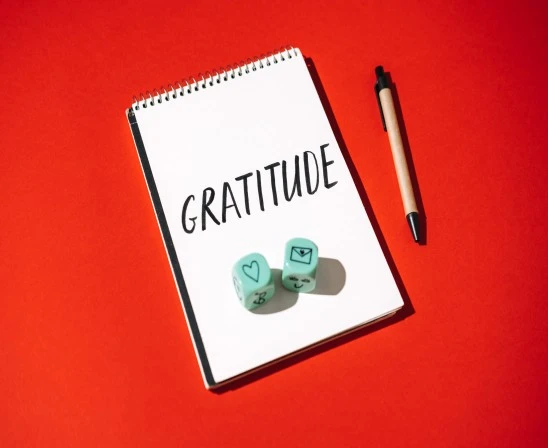
In the fast-paced 21st-century world, where social media and the news cycle dominate our attention spans, the state of feeling perpetually overstimulated is inevitable. The need to be better, more productive, and showcase how wonderful our lives are is adding immense pressure and leading to unintended consequences. So, it is necessary, now more than ever, to relax, take a pause, and show gratitude for the things we have and have achieved so far.
In recent years, mental health practitioners have sworn by the mantra of practising gratitude for a healthier and happier life. But what is gratitude, what does it mean to practice it, and how can you build this life-changing habit that can change your outlook on life?
Gratitude: What Is It?
Gratitude is the practice of noticing and appreciating all aspects of our everyday life, both big and small. It can be as simple as appreciating a higher power for the hot cup of coffee you have every morning, getting a big promotion at work, or just living life itself. Researchers have scientifically studied gratitude and its effects, finding overwhelmingly positive results.
A 2003 study conducted by two psychology professors, Robert Emmons and Michael McCullough, found that a consistent habit of expressing gratitude can significantly increase well-being. Participants in the study who listed things they were grateful for regularly over several weeks reported higher levels of positive affect, alertness, enthusiasm, and general optimism in life compared to participants who didn’t have a gratitude practice.
The Many Benefits of Gratitude
Expressing gratitude has many benefits, but what are they? Let’s find out.
Improves Mental Health and Reduces Stress
Gratitude reframes how you view life by diverting negative thoughts, anxiety, and depression from things out of our control to things we possess and are happy with. Over time, this practice can improve happiness by reducing stress.
Enhances Sleep Quality
A 2009 study published in the Journal of Psychosomatic Research found that gratitude enhances how well you sleep. In its conclusion, the study shared that grateful people tend to have fewer negative thoughts during the day and especially when they go to sleep. This helps them fall asleep faster and for a longer duration.
Strengthens Relationships
Gratitude helps you appreciate the people in your life more in the form of increased appreciation and encouragement. In personal and professional settings, this can boost trust, deepen bonds, and create long-lasting relationships.
Builds Emotional Resilience
Gratitude makes you more emotionally resilient by helping you deal with tough times with grace. While the impact of a harrowing incident may remain the same, showing gratitude helps you look for learning and growth, especially in hard times.
Boosts Overall Well-Being
A gratitude practice is the perfect antidote for all potentially negative things like stress, anxiety, and depression, as it helps your physical health, enhances mental health, and also indirectly improves sleep and immunity.
How Can You Practice Gratitude Daily
Gratitude is a skill that can be mastered over time and with consistent practice. Here are a few ways on how to start a gratitude practice:
Start a Gratitude Journal
Maintain a gratitude journal for any frequency you like: daily, alternate days, or weekly. List out 3 things you are grateful for. It can be simple things like a compliment you received or a nice meal you had.
Create a Daily Reflection Routine
Before going to bed, reflect on all the positive things that happened during your day: what brought you joy or what you learned/.
Try Gratitude Meditation
Try a short gratitude meditation regularly and focus on all the positives in your life by shifting attention from any stressors in your life.
Express Appreciation to Others
Share how grateful you are for people being in your life. It can be a friend who’s always been there for you or a colleague who helps out at work. Little notes of appreciation create small positive cycles, which can improve your overall mood.
Use Gratitude Prompts
Ask yourself questions like, “What made you happy today?”, “What did you learn?”, “What did a challenge teach you?”. These prompts help reframe your thoughts in positive ways.
How To Stay Consistent with Your Gratitude Practice
Maintaining a habit can be difficult and feel overwhelming. Here’s how you can stay consistent with your gratitude practice.
- Habit stack: Pair it with an activity you already do every day, like brushing your teeth, drinking coffee, or going to bed.
- Keep it small: Do it for 5 minutes every day. Keep it short and simple.
- Be specific: Don’t make it generic; be specific about what you are grateful for and mean it.
- Use reminders: Set a reminder on your phone or use a Post-it note at your desk.
- Do it when times are tough: Tough times test our resilience. Make it a habit to show what you’re grateful for, especially when you’re going through a rough patch.
Common Mistakes to Avoid When Practicing Gratitude
Here are a few things you shouldn’t do when practicing gratitude:
- Avoid comparing your circumstances to others when expressing gratitude.
- Don’t use gratitude to mask or suppress genuine negative emotions. It should feel organic and occur naturally, rather than being used to distract yourself from processing serious issues.
- Don’t repeat the same gratitude over and over, as it can feel overdone and lose its effectiveness.
- Don’t appreciate something if you don’t actually feel it.
- Don’t use it to mask problems that can arise from serious issues.