Home Finance
 Personal Finance
 SME Finance
 Loan Against Securities
 Business
 Mutual Funds
 Stock and Securities
 Portfolio Management Services
 Pension Funds
 Real Estate Investments
 Life Insurance
 Health Insurance
 Multiply Wellness
 Motor Insurance
 Travel Insurance
 Pay Bills
 Pay anyone
 Pay on call
 Payment Lounge
 ABC Credit Cards



 1800-270-7000

 ENG
ENG 


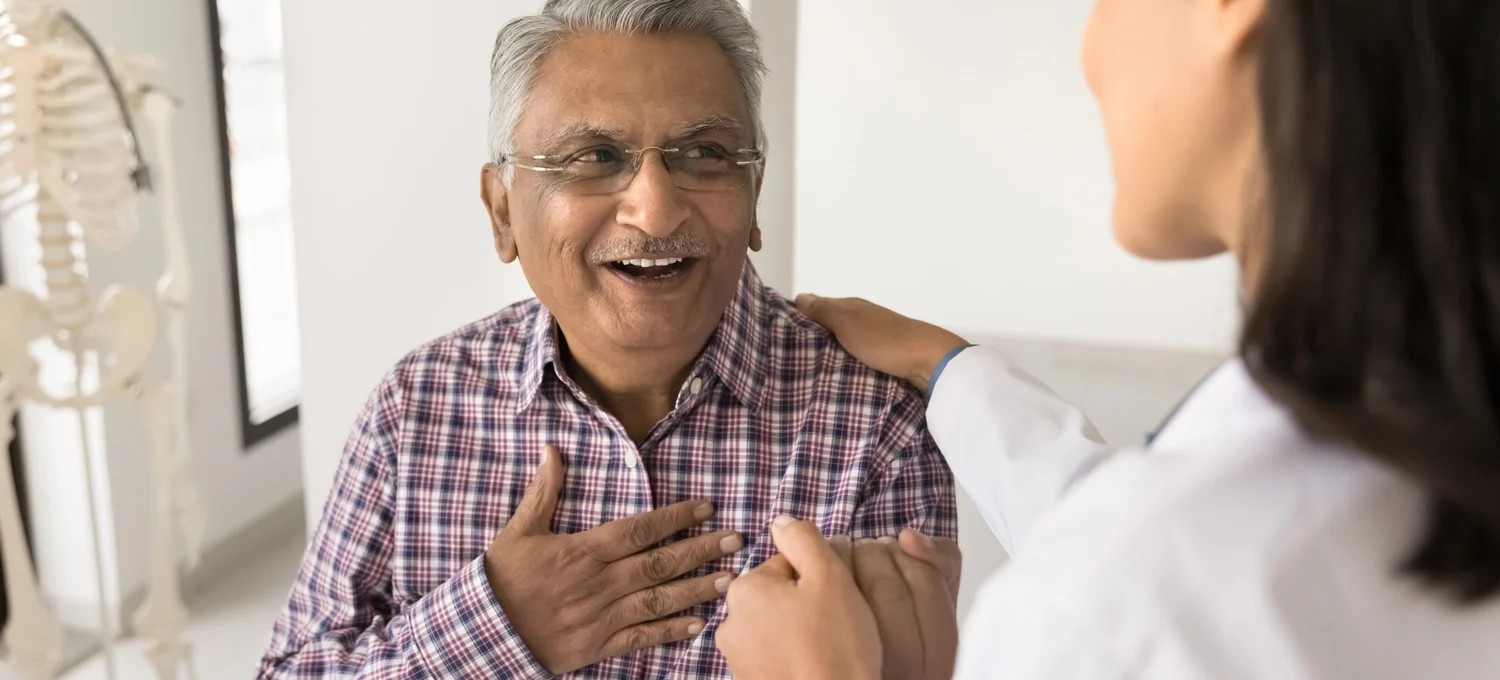
Recovering from a heart attack can feel like navigating unfamiliar territory, especially in the first few weeks. Yet with the right medical guidance, steady lifestyle adjustments, and a supportive environment, most people rebuild strength and move forward with confidence. Heart attack recovery is more than letting the heart heal. It involves learning new habits, listening to your body, and taking steps that protect long-term health while improving daily quality of life.
Understanding Post Heart Attack Care

Post-heart attack care generally starts in the hospital, but it continues long after discharge. Your cardiologist evaluates heart function, creates a medication plan, and outlines early precautions. This stage lays the foundation for recovery because the heart is still healing from the injury. Good care includes a mix of:
- Correct medication use
- Suitable activity levels
- Heart-healthy meals
- Scheduled follow-ups
- Guidance from rehabilitation specialists
These steps reduce future risks and make the transition back to routine life smoother.
Emotional & Physical Impact of Heart Attack Recovery
A heart attack affects both the body and the mind. Physically, people may notice fatigue, shortness of breath, reduced stamina, or changes in sleep patterns. These usually improve gradually with rest and appropriate activity.
Emotionally, it’s common to feel anxious or uncertain in the early weeks. Thoughts like “Can this happen again?” are normal. Many patients also describe feeling low mood, irritability, or fear of exertion. Recognising these emotional reactions is important because emotional healing is just as essential as physical recovery. With gentle reassurance, support, and sometimes counselling, most people regain their sense of stability.
First Steps in Recovery After a Heart Attack
Early recovery often feels uncertain, especially during the first few weeks after discharge. These initial steps create stability and help your heart heal safely. The following measures guide your routine, protect you from complications, and set the pace for a smoother recovery.
Follow Your Doctor’s Plan
Your doctor’s instructions are designed around your medical condition, test results, and overall health. This personalised plan guides the pace of activity, diet recommendations, and follow-ups. Avoid changing doses or stopping medicines on your own. Any adjustment should happen after a medical review.
Take Medications on Time
Medicines prescribed after a heart attack protect the heart and prevent further damage. These usually include antiplatelets, statins, beta-blockers, and other supporting drugs. One practical way to remember doses is to link them to daily routines, such as taking them right after breakfast or before bedtime.
Join Cardiac Rehabilitation
Cardiac rehabilitation provides structured support when you need it most. Under supervision, you follow a safe exercise plan, receive nutrition advice, and learn heart-healthy habits. It also helps you rebuild confidence in physical activity. Studies consistently show that people who participate in rehabilitation have better outcomes and a lower risk of future cardiac events.
Lifestyle Changes for Better Heart Attack Recovery
Lifestyle habits play a major role in how well your heart heals. Small, steady changes can improve stamina, stabilise vitals, and reduce the risk of another cardiac event. The shifts below are practical starting points that you can slowly build into your daily routine.
Eat a Heart-Healthy Diet
A heart-friendly diet helps control cholesterol, blood pressure, and weight. Try including:
- A variety of vegetables and fruits
- Whole grains such as oats or brown rice
- Lean protein like dals, legumes, eggs, or fish
- Nuts and seeds in small servings
- Healthy oils in moderate amounts
At the same time, reduce fried foods, packaged snacks, excessive salt, and sugar. Small shifts, such as replacing deep-fried snacks with roasted alternatives, make a meaningful difference over time.
Start Light Exercise (As Advised)
Movement plays an important role in recovery. Most people begin with short, comfortable walks. As your stamina grows, your doctor or physiotherapist may allow slow progression. Avoid pushing yourself early on. Listen closely to your body and stop if you feel breathless, dizzy, or unusually tired.
Quit Smoking & Reduce Alcohol
Smoking is one of the strongest triggers for another heart attack. Quitting reduces risks almost immediately. If alcohol is part of your routine, keep intake within doctor-recommended limits or avoid it entirely during the early healing phase.
Manage Daily Stress Well
Stress influences heart health more than many people realise. Simple practices such as slow breathing, journaling, short meditation sessions, or morning quiet time can help calm the mind. A consistent daily routine also offers stability during recovery.
Health Monitoring in Post-Heart Attack Care
Monitoring your health parameters regularly helps you understand how your heart is responding to treatment. Tracking key numbers and staying alert to symptoms ensures timely adjustments and prevents avoidable complications. Here’s what to keep a close eye on.
Track BP, Cholesterol & Sugar
Regular tracking keeps you informed about your health and helps identify areas needing attention. Keeping readings within the targets set by your doctor reduces the burden on your heart and supports long-term recovery.
Watch for Warning Symptoms
Certain symptoms need immediate attention:
- Chest pressure or a feeling of tightness
- Breathlessness that is new or worsening
- Unusual tiredness
- Palpitations or irregular heartbeat
- Swelling in the ankles or feet
- Sudden dizziness
If something feels “not right,” seek medical help promptly.
Don’t Miss Follow-Up Checkups
Follow-ups allow doctors to adjust medicines, evaluate heart function, and track your progress. These visits are also your opportunity to clear doubts, share concerns, and discuss any new symptoms.
Emotional Healing After a Heart Attack
A heart attack affects more than just the physical body. Emotional changes are common and completely normal during recovery. Understanding these feelings and knowing how to manage them can make the healing journey less overwhelming and more reassuring.
Cope With Anxiety & Fear
It’s natural to feel anxious about getting back to normal activities. Gentle reassurance from your doctor and loved ones helps. Some people benefit from therapy sessions, especially if fear or worry affects sleep or appetite.
Seek Family or Group Support
Recovery feels easier when you’re surrounded by people who understand what you’re going through. Invite family members to participate in walks, meal planning, or simple relaxation activities.
Practice Mindfulness & Relaxation
Mindfulness helps slow down racing thoughts. You can start with five minutes a day—deep breathing, grounding exercises, or guided audio sessions. These practices reduce stress and support emotional balance.
Preventing Another Heart Attack
Once your recovery stabilises, the focus shifts to long-term heart protection. Preventing another heart attack involves consistent habits that support circulation, cholesterol control, and overall heart function. The steps below can significantly lower future risks.
Follow a Regular Exercise Routine
Speak to your doctor about an activity plan that suits you. Regular exercise strengthens the heart and improves energy levels. Even 15–20 minutes of brisk walking several days a week can make a noticeable difference.
Maintain a Healthy Weight
Maintaining a stable weight helps control blood pressure, blood sugar, and cholesterol. Instead of aiming for rapid changes, consider gradual improvements in diet and movement.
Stick to a Heart-Healthy Diet
A balanced plate encourages better long-term outcomes. Consistency matters more than strict dieting. Try planning meals to avoid last-minute unhealthy choices.
Avoid Long Sitting Hours
Prolonged sitting slows circulation. If your work requires long hours at a desk, take a short stretch or walk every hour or two.
Thriving After a Heart Attack
Heart attack recovery is a gradual process, and each person’s journey looks slightly different. With patience, medical guidance, and steady habits, most people regain strength and resume their regular routines. Many individuals go on to enjoy hobbies, travel, and live active, meaningful lives. The key is to remain consistent and mindful of daily choices that support heart health.
Strength, Recovery, and the Journey Ahead
Recovery after a heart attack takes time and care, but every small step helps you move forward. With structured post-heart attack care, healthy routines, and regular checkups, you can build a strong foundation for long-term well-being. Staying committed to heart-healthy habits lowers future risks and supports a healthier, more confident life.
Frequently Asked Questions
Recovery timelines vary, but many people resume light routine activity within several weeks. Your doctor will guide you based on your heart function and overall health.
Yes, though it must be gradual and supervised. Cardiac rehabilitation is the safest environment to restart exercise.
Try to limit fried snacks, high-salt packaged foods, red meat, and sugary desserts. These can affect cholesterol and blood pressure.
Slow breathing, simple meditation exercises, short breaks during the day, and supportive conversations with family or counsellors can help.
Many people see significant improvement over time. The level of recovery depends on the extent of heart damage, which your doctor will explain using your reports.
Stop what you’re doing and seek urgent medical help. Chest pain should never be ignored during heart attack recovery.