Home Finance
 Personal Finance
 SME Finance
 Loan Against Securities
 Business
 Mutual Funds
 Stock and Securities
 Portfolio Management Services
 Pension Funds
 Real Estate Investments
 Life Insurance
 Health Insurance
 Multiply Wellness
 Motor Insurance
 Travel Insurance
 Pay Bills
 Pay anyone
 Pay on call
 Payment Lounge
 ABC Credit Cards



 1800-270-7000

 ENG
ENG 


What is dietary magnesium?
In simple terms, dietary magnesium is consumed through foods and beverages. Magnesium is an essential mineral for the body and is crucial in various physiological processes. It is involved in over 300 biochemical reactions, including:
- Energy Production
- Protein Synthesis
- Muscle and Nerve Function
- Heart Health
- Bone Health
- Blood Sugar Regulation
- DNA and RNA Synthesis
- Blood Clotting
Why Magnesium Is Important for Blood Sugar Control?
Magnesium plays a very critical role in how the body processes glucose, breaks it down, and responds to insulin. It provides support to the process of insulin signalling, to the mechanism by which glucose is transported into cells, and some enzymes that biologically break down carbohydrates into glucose. If magnesium levels are adequate, insulin sensitivity is increased, which allows the individual to control their blood glucose levels more conveniently. For those with diabetes, low magnesium levels can lead to increased insulin resistance, which can have an impact on their ability to control fluctuating blood glucose levels.
Thus, consuming enough magnesium enriched foods will lead to better control of your blood sugar and less of the metabolic strain associated with maintaining diabetes over a prolonged period of time.
How Are Diabetes and Magnesium Deficiency Connected?
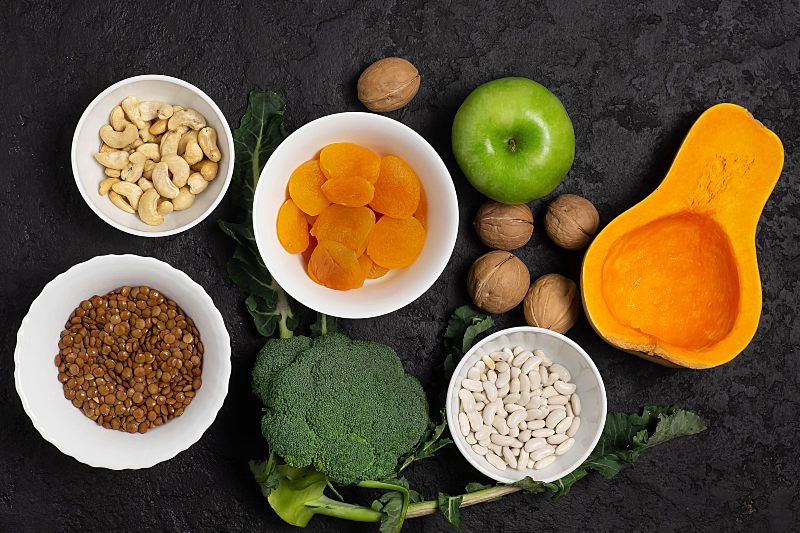
People with diabetes, especially those with high blood sugar levels, tend to have a magnesium deficiency. A low level of magnesium is associated with insulin resistance. Insulin helps control the level of glucose (sugar) in the blood. With insulin resistance, glucose cannot enter the cells and builds up in the blood, leading to type 2 diabetes. Magnesium and excess sugar in the urine are cleared out in large amounts. Although this deficiency is more common in type 2 Diabetes, it also occurs in type 1.
How Much Magnesium Do People With Diabetes Need Daily?
Diabetics are recommended to consume the same amounts of magnesium as all other adults. However, since diabetics are more prone to losing an increased amount of magnesium through their urine due to their poor blood sugar control, it is especially important to consistently consume enough magnesium rich foods every day. Here’s a reference point based on Indian dietary guidelines to ensure your daily magnesium intake is healthy:
| Group | Daily Requirement (mg/day) |
| Adult Men (19–30 years) | 400 mg |
| Adult Men (31 years & above) | 440 mg |
| Adult Women (19–30 years) | 310 mg |
| Adult Women (31 years & above) | 370 mg |
| Pregnant Women | 350–400 mg (varies by age and trimester) |
| Breastfeeding Women | 310–360 mg (varies by age) |
If you consider supplements instead of foods that are magnesium rich, you should always consult your doctor or nutritionist, especially if you are diabetic, have any renal problems, or are taking other medications.
Which Magnesium Rich Foods Help Control Blood Sugar Levels?
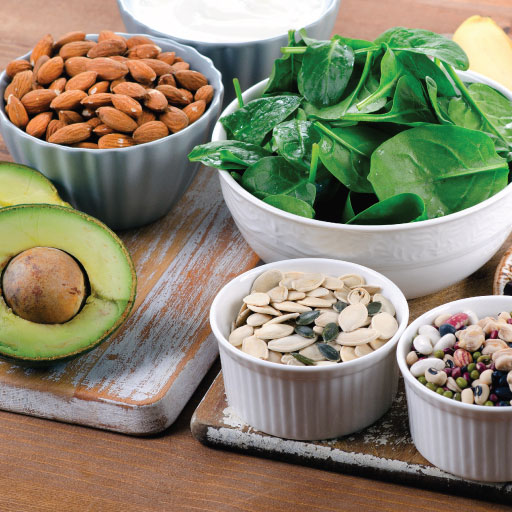
For people with diabetes, including magnesium rich foods in their daily diet can be very beneficial for blood sugar control. Minimally processed and whole foods are the best options that can easily fit into your daily diet, such as:
- Leafy greens such as spinach and fenugreek
- Nuts and seeds (almonds, pumpkin seeds, cashews, and flaxseeds)
- Legumes like lentils, chickpeas, and beans
- Whole grains such as oats and brown rice
- Low-glycaemic fruits like avocados and bananas (in moderation)
- Plant proteins such as tofu
You can minimise sharp blood sugar spikes by incorporating these foods into your daily diet in balanced proportions.
 The human body requires a minimum of 400 milligrams of magnesium daily. Take a look at 9 magnesium-enriched foods for blood sugar control:
Dark leafy vegetables
Consuming dark leafy vegetables high in magnesium, vitamins A, C, and K, and iron, like spinach and cabbage, helps reduce diabetes and magnesium deficiency. Consuming spinach also lowers the risk of cancer.
Healthy seeds
Magnesium-rich foods for diabetes in India, like pumpkin seeds, flaxseeds, chia seeds, and sunflower seeds, can be added to your diet. They help improve the condition of people who are diagnosed with diabetes. A powerhouse of iron, omega-3 fatty acids, and monounsaturated fats, their antioxidant properties protect cells from free radicals, reduce cholesterol, and prevent infections and diseases.
Sweet potatoes
They contain 33 milligrams of magnesium and more fiber than regular potatoes. Here are some ways in which they may benefit your health:
- Improve insulin sensitivity in diabetes
- Maintain healthy blood pressure levels
- Reduce cancer risk
- Improve digestion
- Protect eye health
- Boost immunity
- Reduce inflammation
Almonds
Magnesium-rich foods for diabetes include healthy nuts like almonds, peanuts, and cashews. Almonds’ anti-inflammatory properties lower the risk of heart disease and help with weight management by curbing appetite.
Avocados
One medium avocado provides 58 milligrams of magnesium. They are also high in potassium, vitamin B complex, vitamin K, heart-healthy monounsaturated fat, and fiber. Eating avocados can reduce inflammation, improve cholesterol levels, and increase feelings of fullness after meals.
Bananas
Bananas are well-known for their high potassium content, which can help lower blood pressure and is linked to a reduced chance of heart disease. They are also rich in magnesium, with 37 milligrams of magnesium in one large banana, which boosts stamina. Consuming two large bananas before exercising is advised as magnesium helps move the blood sugar into the muscles and removes lactic acid from the muscles, facilitating repair and regeneration.
Dark chocolates
Don’t feel guilty over binging on dark chocolates as they are not only delicious but healthy. Made with 60-69% cocoa, a 28-gram serving contains 64 milligrams of magnesium, which lowers blood pressure, improves blood flow, helps ease premenstrual syndrome, aids good heart health, and reduces cholesterol. Paired with fresh fruit, dark chocolate makes a decadent and healthy after-dinner dessert.
Whole grains
Whole grains, such as oats, wheat, barley, and pseudo cereals like buckwheat, are widely regarded as magnesium-rich foods for diabetes. Have whole-wheat bread with peanut butter, as they are high in magnesium content.
Tofu
Tofu is a staple food in vegetarian diets due to its high protein content. A 100-gram serving contains 35 milligrams of magnesium. One serving also provides 10 grams of protein, calcium, iron, manganese, and selenium. Additionally, some studies suggest that eating tofu and other soy products can protect the cells lining your arteries and may be associated with a decreased chance of stomach cancer.
The bottom line is that magnesium can be useful and healthy if added to our regular diet.
Tips to Improve Magnesium Absorption From Food
Getting enough magnesium is only part of the equation. How well your body is able to absorb it matters just as much. Follow these tips to ensure magnesium rich foods aren’t going to waste after consumption:
- Pair Them With Foods Rich in Vitamin D: Vitamin D aids in the absorption of magnesium into the body and assists with utilisation. Adequate exposure to sunlight or consumption of foods such as fortified dairy products and eggs will provide you with adequate amounts of vitamin D.
- Limit Your Intake of Excessive Refined Sugar: High sugar consumption increases the loss of magnesium through the urine and decreases magnesium absorption and retention.
- Reduce Your Intake of Highly Processed Foods: Foods that have been processed have a decreased amount of magnesium and can also include additives that may inhibit your body’s absorption of minerals.
- Balance Your Calcium With Magnesium Intake: High intake of calcium can compete with magnesium for absorption; therefore, it is important to aim for balance, not excess.
- Regulate Intake of Magnesium Rich Foods Throughout the Day: Eating small amounts of food containing magnesium throughout the day is more efficient for your body than eating a large amount once a day.
- Soak/Sprout Grains and Legumes: Soaking and sprouting grains/legumes reduces the phytates (natural compounds that block the absorption of minerals).
- Improve Gut Health: If you have poor digestion or chronic gut problems, this can affect mineral absorption in your body. Therefore, including high-fibre foods and adequate amounts of water is beneficial for better absorption of minerals.
Can Too Much Magnesium Be Harmful for People With Diabetes?
While daily magnesium intake is important, too much of it can be harmful. Especially if consumed from supplements, high doses can be harmful, causing various issues like nausea, diarrhoea, abdominal cramping, low blood pressure, and more. In severe cases, it can even affect your heart health, causing irregular heartbeats. This risk is especially higher in people with kidney diseases or diabetes, and excess magnesium might not be cleared or processed by the body properly.
While foods that contain magnesium are generally safe, supplements should always be dosed appropriately as recommended by your specialists.
Who Should Be Careful While Eating Foods That Are Magnesium Rich?
As mentioned previously, people with kidney disease should be careful with the amount of magnesium intake in their diet. They might struggle with excreting excess magnesium, which might increase their toxicity risk.
People who are taking diabetes medication, antibiotics, or diuretics should also be cautious with their magnesium intake. Excess magnesium might interact with these medications and cause unwanted symptoms that might lead to further health issues.
How Does Magnesium Intake Support Better Diabetes Management?
Magnesium intake plays a critical role in diabetes care, and by choosing the right magnesium rich foods, you can improve your body’s ability to absorb it and stabilise your blood sugar regulation. With small and informed nutrition choices made with consistency, you can improve your long-term metabolic health and significantly reduce diabetic symptoms. Stay tuned to Activ Living Community, and get more tips on how to improve your overall health for better diabetes care
Frequently Asked Questions
Foods naturally high in magnesium are called magnesium rich foods, and include leafy greens, nuts, seeds, whole grains, legumes, avocados, and tofu.
They support insulin function, improve glucose metabolism, and help reduce blood sugar fluctuations.
According to Indian standards, most adult men need 440 mg and adult women need 370 mg per day, depending on age and gender. Consult your dietician or doctor to find out what amount of magnesium intake would be healthy for you.
Magnesium enriched foods help in improving your body’s insulin sensitivity, which improves your blood sugar control and helps your body regulate it efficiently.
Whole foods rich in magnesium are often preferred, as they provide balanced nutrients and a lower risk of excess intake compared to supplements.
Key Takeaways: Magnesium Enriched Foods
- Magnesium is a staple mineral required for muscle and nerve function, controlling blood pressure, strengthening bones, and reducing inflammation.
- Its deficiency symptoms include nausea, fatigue, muscle spasms, and abnormal heart rhythms.
- Magnesium-rich foods for diabetes include dark leafy vegetables, healthy seeds, sweet potatoes, almonds, avocados, bananas, dark chocolates, whole grains and tofu.
Stay tuned to the Activ Living Community. Keep up to date with the latest health tips and trends through expert videos, podcasts, articles, and much more on nutrition, fitness, mindfulness, and lifestyle conditions like Asthma, Blood Pressure, Cholesterol, and Diabetes. Activ Living ke saath sahi sehat ki shuruat ABHI karo.
You may also be interested in the following blogs:
Popular Searches
How to lower blood pressure | Fruits good for liver | Unhealthy foods | Ragi Benefits | Basal Metabolic Rate | Acupressure points for High Blood Pressure | Ayurvedic medicine for blood pressure | How to control cholesterol at home | Homeopathy for Asthma | Biological Age | Home remedies for TB | Natural beta blockers | Negative effects of internet | Types of walking | Blood pressure calculator | Blood sugar calculator | BMI Calculator