Home Finance
 Personal Finance
 SME Finance
 Loan Against Securities
 Business
 Mutual Funds
 Stock and Securities
 Portfolio Management Services
 Pension Funds
 Real Estate Investments
 Life Insurance
 Health Insurance
 Multiply Wellness
 Motor Insurance
 Travel Insurance
 Pay Bills
 Pay anyone
 Pay on call
 Payment Lounge
 ABC Credit Cards



 1800-270-7000

 ENG
ENG 


Colon cancer is a type of cancer that is among the most common cancers in the world; however, early colon cancer symptoms are often ignored or confused with minor digestive problems. In many people, early colorectal cancer may cause no symptoms at first, and when symptoms do appear, they can be subtle. Early detection of colorectal cancer symptoms can be key to timely treatment and improved outcomes. This guide explains the main symptoms of colon cancer, early warning signs to look out for, and when it is relevant to visit a doctor.
What is Colon Cancer?
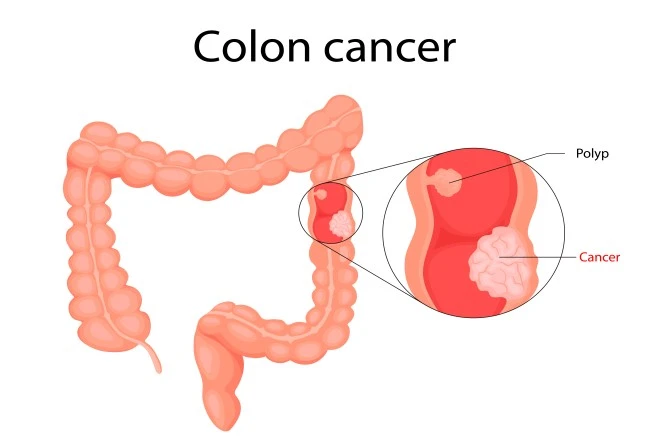
Colon cancer is a form of cancer that starts in the large intestine (colon). Rectal cancer starts in the rectum. Together, they are often called colorectal cancer. Colon cancer often develops from certain polyps, which are noncancerous growths in the lining of the colon that can become cancer over time.
Learning about what is colon cancer is important because it may not cause obvious symptoms in its early stages. As the illness advances, it can begin to affect digestion, bowel movements, and overall health, which is why awareness and screening are so important.
What Causes Colorectal Cancer?
Colorectal cancer is caused by a combination of genetic changes in cells and risk factors related to lifestyle, environment, and family history. It often begins when cells in the colon or rectum develop abnormal changes that allow them to grow out of control over time.
A number of factors can increase the risk of colorectal cancer. These include a diet high in processed or red meat, low-fibre diets, obesity, physical inactivity, smoking, and heavy alcohol intake. Risk can also be increased by a family history of colon cancer, certain inherited syndromes, inflammatory bowel disease, and older age. Although colorectal cancer is more common after age 50, there is a rising burden among younger adults in some settings.
Common Symptoms of Colon Cancer to Never Ignore
The signs of colon cancer may vary depending on the location and stage of the disease, and many of them can resemble common digestive problems. Some of the most common symptoms include:
Changes in Bowel Habits
A change in bowel habits is one of the most common symptoms of colon cancer. This can include diarrhoea, constipation, narrowing of the stool, a feeling that the bowel does not empty completely, or needing to have a bowel movement that is not relieved by defecation. These changes should not be overlooked if they last for more than a few days or keep coming back.
Blood in Stool
Blood in the stool can be one of the many colorectal cancer symptoms, and it may appear as bright red blood or make the stool look dark brown or black. Although it can also result from less serious conditions such as haemorrhoids, persistent or unexplained bleeding should be medically evaluated. It is among the most important symptoms of colon cancer that needs prompt attention.
Sudden Weight Loss
Unexplained weight loss can be a warning sign that something is wrong in the body. In colorectal cancer, this may happen because of changes in metabolism, appetite, or how the body uses nutrients. It is a symptom that should not be ignored.
Persistent Abdominal Discomfort (Cramps, Gas, or Pain)
Continuous abdominal pain, cramping, bloating, or gas that does not improve over time can be a sign of a colon problem. Unlike occasional stomach upset, this discomfort may last longer or become more frequent.
Weakness or Fatigue
Constant fatigue or weakness despite enough rest can occur with colon cancer. This may happen because slow bleeding in the digestive tract can lead to iron-deficiency anaemia.
Constipation or Diarrhoea
Repeated or persistent constipation or diarrhoea may point to a problem with normal bowel function. They can be early colorectal cancer symptoms when they continue and are not explained by diet, infection, or another short-term cause.
Rectal Bleeding
Rectal bleeding can occur in colorectal cancer, especially when the rectum or lower part of the large intestine is involved. It should be assessed promptly, especially if it recurs or happens along with other symptoms such as a change in bowel habits or abdominal pain.
Nausea and Vomiting
Nausea and vomiting are not usually early symptoms, but they can happen if a tumour causes a blockage in the bowel and interferes with normal digestion.
Anaemia
Iron-deficiency anaemia can sometimes be an early clue to colorectal cancer, especially when it is caused by slow, unnoticed bleeding in the colon. It may be accompanied by pale skin, fatigue, dizziness, or shortness of breath.
Early Signs of Colon Cancer to Watch For
Early colon cancer may not cause symptoms at all. When symptoms do occur, they may include mild changes in bowel habits, blood in the stool, abdominal discomfort, or unexplained tiredness. These early signs of colon cancer can be easy to confuse with minor digestive issues, which is why persistence matters. If symptoms last for more than a couple of weeks or keep returning, medical advice is important.
How is Colon Cancer Diagnosed and Treated?
Colon cancer diagnosis involves finding abnormal growths, confirming whether cancer is present, and determining whether it has spread. Early diagnosis is important because it often allows for more treatment options.
How is Colon Cancer Diagnosed?
Colon cancer may be found through screening tests or after symptoms prompt further evaluation. Colonoscopy is one of the main tests used because it allows a doctor to examine the colon and remove or biopsy suspicious growths. Stool-based tests can help screen for hidden blood or abnormal DNA changes, but a positive stool test usually needs follow-up with a colonoscopy. Imaging, such as CT scans, may be used to assess the extent of disease, and blood tests can help evaluate overall health and anaemia, although blood tests alone do not diagnose colon cancer.
How is Colon Cancer Treated?
Treatment depends on the stage and spread of the cancer. Surgery is often the main treatment for early-stage colon cancer. Depending on the case, treatment may also include chemotherapy, targeted therapy, immunotherapy, and sometimes radiation therapy. Radiation therapy is used more often in rectal cancer than in colon cancer, but it may be used in selected colon cancer cases. In more advanced disease, a combination of treatments may be used to help control the disease and improve outcomes.
When Should You See a Doctor About Colon Cancer?
A doctor should be seen if you have persistent symptoms such as a change in bowel habits, blood in the stool, unexplained weight loss, ongoing abdominal discomfort, or unexplained fatigue. These symptoms of colon cancer may not seem serious at first, but persistent symptoms should not be ignored.
What are the Survival Rates for Colon Cancer?
Survival rates for colon cancer depend largely on the stage at which the cancer is found. When colorectal cancer is detected early and is still localised, outcomes are generally much better than when it has spread to nearby tissues or distant organs. This is why awareness of colon cancer symptoms and timely screening can make a meaningful difference.
What is the Life Expectancy for Someone with Colorectal Cancer?
Life expectancy varies depending on factors such as the stage of cancer, overall health, tumour biology, and response to treatment. Early diagnosis usually gives a person a much better outlook, but outcomes can differ from person to person. Even in later stages, treatment can help improve quality of life and, in some cases, extend survival. Early diagnosis, regular follow-up, and appropriate treatment are all important.
Can Colon Cancer Be Prevented?
Although colon cancer cannot always be prevented, regular screening and healthy lifestyle habits can help lower the risk. Screening tests can find precancerous polyps so they can be removed before they turn into cancer, and screening can also find colorectal cancer early, when treatment works best.
Other ways to reduce risk include eating a healthy diet, staying physically active, maintaining a healthy weight, avoiding smoking, and limiting alcohol. Knowing the early signs of colon cancer and acting on persistent symptoms also supports early detection and timely care.
How to Reduce Your Risk of Colon Cancer
A combination of healthy lifestyle habits and regular screening can help reduce the risk of developing colon cancer. A diet rich in fibre, fruits, vegetables, and whole grains supports bowel health. Limiting red and processed meat, reducing alcohol, avoiding smoking, staying physically active, and maintaining a healthy weight are also important.
Above all, regular screening is important. Most people at average risk should begin colorectal cancer screening soon after turning 45, while people at higher risk may need to start earlier or be screened more often. By doing this, you may reduce the risk of developing colorectal cancer or detect it earlier, before serious symptoms of colon cancer appear.
Summary of Colon Cancer Symptoms and Early Signs
Colon cancer can develop quietly, especially in its early stages. Some people have no symptoms at first, while others may notice persistent bowel changes, blood in the stool, abdominal pain, unexplained fatigue, or weight loss. Recognising these colorectal cancer symptoms and signs of colon cancer can support earlier diagnosis and better outcomes.
If something does not feel right or a symptom keeps coming back, do not ignore it. Timely medical advice, regular screening, and healthy lifestyle habits can make a real difference.
Frequently Asked Questions
Persistent symptoms such as blood in the stool, a change in bowel habits, abdominal pain, unexplained weight loss, or ongoing fatigue can be warning signs, but tests such as a colonoscopy are needed to diagnose colorectal cancer.
There is not always a first obvious sign. In some people, one of the earliest noticeable symptoms is a persistent change in bowel habits, while others may have no symptoms in the early stages.
Colon cancer is more common in older adults, especially after age 50, but cases are increasingly being seen in younger adults as well.
Early signs of colon cancer may include mild bowel changes, blood in the stool, abdominal discomfort, or unexplained fatigue. Some people may have no symptoms early on.
Colon cancer often develops slowly over several years, sometimes beginning as certain types of precancerous polyps.
No. Most colorectal cancers are not caused by inherited syndromes, although family history and inherited conditions can increase risk in some people.
Five common warning signs are persistent changes in bowel habits, blood in the stool, abdominal pain or cramping, unexplained weight loss, and fatigue.
Yes. When colon cancer is found early, treatment options are often more effective, and outcomes are generally better.