Home Finance
 Personal Finance
 SME Finance
 Loan Against Securities
 Business
 Mutual Funds
 Stock and Securities
 Portfolio Management Services
 Pension Funds
 Real Estate Investments
 Life Insurance
 Health Insurance
 Multiply Wellness
 Motor Insurance
 Travel Insurance
 Pay Bills
 Pay anyone
 Pay on call
 Payment Lounge
 ABC Credit Cards



 1800-270-7000

 ENG
ENG 


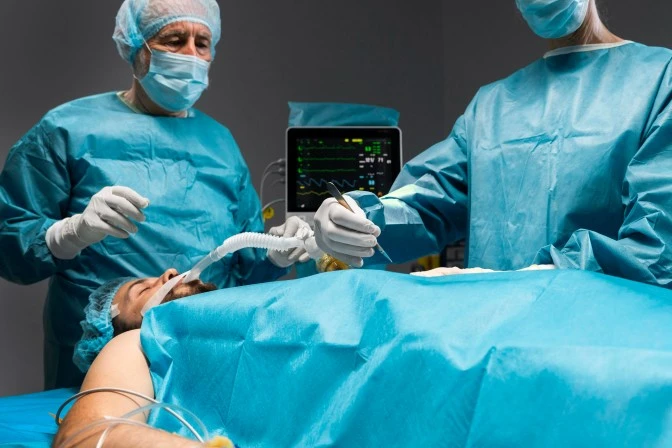
Undergoing heart bypass surgery is a major milestone — but what happens after the procedure often catches patients off guard. Post-bypass surgery involves a slow recovery, meaningful lifestyle shifts, and long-term care commitments that directly protect your heart. Understanding what each phase looks like gives you a real advantage: you recover more safely, rebuild strength with purpose, and significantly reduce the risk of future complications.
What is Life After Bypass Surgery Like?
Life after bypass surgery rarely looks the way patients imagine it will. Physically, the first few weeks bring fatigue, some chest discomfort, and an energy level that drops well below what most people expect. Even routine tasks — making breakfast, climbing a flight of stairs — can feel surprisingly demanding. Rest isn’t optional during this period; it’s the work.
Anxiety, low mood, and uncertainty are also common — not a sign that something is wrong, but a natural response to major surgery and the adjustment that follows. As physical strength returns and symptoms ease, most people find their confidence rebuilding alongside it. The majority go on to resume normal daily activities with a noticeably better quality of life.
What is the Recovery Timeline After Bypass Surgery?
Recovery from bypass surgery doesn’t follow a straight line — it moves through distinct phases, each with its own challenges and markers of progress. Knowing what each phase typically looks like helps you stay consistent rather than second-guessing every ache or setback.
First 1–6 Weeks
The body does its most intensive internal repair work during these first six weeks, which is why fatigue isn’t just common — it’s expected. You’ll likely feel discomfort around the chest incision and find your mobility more restricted than anticipated. Short walks help circulation and ease stiffness; strenuous effort, on the other hand, can set recovery back significantly. Wound care, medication adherence, and consistent rest are what this phase demands above everything else.
6–12 Weeks
Energy begins returning more noticeably in this window, and light daily activities start feeling manageable again. Many patients begin cardiac rehabilitation programs during this phase, structured, monitored sessions designed specifically to rebuild heart health at a safe pace. Stamina improves steadily, though the key is resisting the urge to accelerate the process. Gradual progression, guided by your medical team, protects the gains you’re making.
Long-Term Recovery
By the three-month mark, most people are back to a regular routine — work, moderate physical activity, and a sense of normalcy that may have felt distant just weeks earlier. What many patients don’t expect is that recovery is still actively happening at this stage. Those who stick to heart-healthy habits, stay on top of risk factors, and keep their follow-up appointments are the ones who maintain those gains long-term. This phase is about protecting what the surgery made possible.
What Changes after Bypass Surgery?
Bypass surgery restores blood flow to the heart, but the body itself takes time to recalibrate. In the early weeks, reduced stamina, a shifted appetite, and disrupted sleep are all part of the adjustment. These aren’t permanent — most people eventually notice clearer breathing, less chest pain, and energy levels they hadn’t felt in years.
The long-term results, though, depend almost entirely on what happens outside the operating room. Bypass surgery reroutes blood flow — it doesn’t reverse the underlying disease. Without changes to diet, stress, and physical activity, the same conditions that blocked those arteries will keep progressing. That’s the reality that makes adapting to these changes so critical to life after bypass surgery.
Diet and Lifestyle after Bypass Surgery
What you eat and how you live day to day will shape your recovery more than most people realise. Small, consistent changes compound quickly — and their effect on long-term heart health is well-documented.
What to Eat
A heart-healthy diet built around whole, minimally processed foods gives your cardiovascular system the environment it needs to stay healthy. Prioritise fibre-rich and omega-3-rich foods in particular — these two categories do measurable work in keeping cholesterol in check and reducing inflammation. Hydration and meal regularity might seem secondary by comparison, but both play a real role in energy levels and the pace of recovery.
What to Avoid
Saturated fats, trans fats, excess sodium, and added sugars put direct pressure on a recovering cardiovascular system — these aren’t just general health guidelines, they’re specific post-surgery concerns. Fried and heavily processed foods, along with large amounts of red meat, recreate the same arterial stress the surgery was meant to relieve. Alcohol deserves particular attention: beyond its general health effects, it can interfere directly with recovery and with how your medications work.
Daily Habits
Consistent daily routines matter as much as any single dietary choice. Sleep quality, in particular, is often underestimated — poor sleep slows healing and affects cardiovascular function directly. Keeping stress managed and staying disciplined with medications rounds out the daily foundation of recovery. Smoking stands in a category of its own: it actively works against healing, raises complication risk, and undermines the benefits of surgery in ways that few other habits do.
Exercise After Bypass Surgery
Getting back to physical activity is one of the most valuable things you can do after bypass surgery — the question is how, not whether. Short walks in the early weeks keep circulation moving and prevent the stiffness that comes from prolonged rest. As recovery advances, structured programs like cardiac rehabilitation take over, guiding you through exercises that are both safe and specifically designed to rebuild heart function.
The goal throughout is rebuilding strength without pushing the heart faster than it can adapt. Walking and light stretching form the early foundation; low-impact activities come later as stamina builds. Follow your doctor’s guidance on pacing — overexertion at this stage doesn’t just slow recovery, it can cause setbacks that add weeks to the process.
Long-Term Care After Bypass Surgery
Most people assume that once they’re discharged and feeling better, the monitoring can relax — that’s actually when it matters most. Routine doctor visits, along with regular checks on blood pressure, cholesterol, and blood sugar, catch problems before they become serious. Prescribed medications need to continue consistently; stopping them prematurely is one of the more common ways long-term outcomes are compromised.
Beyond monitoring, the lifestyle changes started during recovery need to hold — not temporarily, but permanently. Quitting smoking if you haven’t already, staying physically active, and keeping stress and diet in check aren’t post-surgery recommendations; they’re the maintenance plan for the repair that was just made. Recovery doesn’t close at the six-month mark. It becomes a way of living.
Red Flags After Bypass Surgery
Not every ache after bypass surgery signals a problem, but some symptoms should never be waited out. Persistent chest pain, shortness of breath, fever, or unusual swelling and redness near the incision site all warrant immediate medical attention.
An irregular heartbeat, unexplained dizziness, or fatigue that worsens rather than eases over time fall into the same category. These can indicate complications that won’t resolve on their own — the sooner they’re evaluated, the better the outcome tends to be. Recognising these red flags early is one of the most practical things a patient or caregiver can do.
Can Arteries Block Again After Bypass Surgery?
Yes, and this is something patients often aren’t fully prepared to hear. Bypass surgery improves blood flow; it doesn’t eliminate the disease responsible for the blockages.
An unhealthy diet, continued smoking, physical inactivity, and poorly managed cholesterol can all lead to new blockages or compromise the surgical grafts themselves. Long-term lifestyle changes and regular monitoring aren’t optional additions to post-surgery care — they’re what make the procedure worthwhile.
Life Expectancy After Bypass Surgery
Life expectancy after bypass surgery is shaped significantly by overall health, age at the time of surgery, and how seriously lifestyle changes are taken afterwards. The outcomes are often genuinely encouraging — many patients go on to live long, active lives, especially when they treat post-surgery care as a permanent shift rather than a temporary phase.
Staying consistent with medications, keeping up with physical activity, and attending regular checkups each contribute measurably to long-term outcomes. Bypass surgery gives the heart a real second chance — how much that chance is worth depends on what comes after.
Tips for Faster Recovery
Recovery moves faster when patients treat it as an active process rather than something that just happens to them. Taking medications as prescribed and attending every follow-up appointment removes variables that slow progress. Physical activity should increase gradually — not because it’s a rule, but because the body genuinely needs the time in between to adapt.
Nutrition and hydration do quiet but consistent work throughout recovery — so does cutting out habits like smoking and alcohol that actively compete with healing. Patience matters more than most people expect. The patients who push too hard, too soon are usually the ones who stall. Steady, gradual improvement isn’t the slow route; it’s the right one.
Frequently Asked Questions
Most patients are back to light daily activities within 6 to 12 weeks, though full recovery — the kind where energy and stamina feel genuinely restored — can take closer to 3 to 6 months, depending on age and overall health.
Most patients do, and many report feeling significantly better than they had in the years leading up to surgery. The difference between strong outcomes and poorer ones almost always comes down to the consistency of post-surgery lifestyle changes.
Light activities, short walks, and basic self-care can usually begin within the first couple of weeks. Returning to work typically follows around the 6 to 12-week mark, though this varies depending on how physically demanding the job is and how smoothly recovery has progressed.
The most impactful changes centre on what you eat, how active you are, and whether you smoke. Managing stress consistently and adhering to prescribed medications round out the long-term picture; neither is a temporary adjustment.
Processed foods, fried foods, foods high in saturated or trans fats, excess salt, and heavily sweetened foods are the main categories to cut back on. These aren’t just generally unhealthy they actively work against cardiovascular recovery.