Home Finance
 Personal Finance
 SME Finance
 Loan Against Securities
 Business
 Mutual Funds
 Stock and Securities
 Portfolio Management Services
 Pension Funds
 Real Estate Investments
 Life Insurance
 Health Insurance
 Multiply Wellness
 Motor Insurance
 Travel Insurance
 Pay Bills
 Pay anyone
 Pay on call
 Payment Lounge
 ABC Credit Cards



 1800-270-7000

 ENG
ENG 


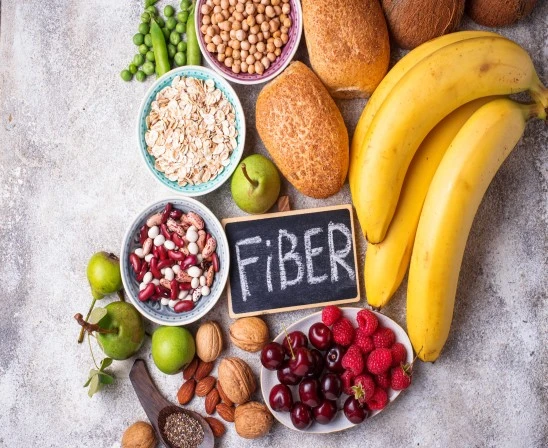
Gut health has become a major focus in recent years. Many are now paying attention to how fibre affects digestion, energy and overall wellness. Fibremaxxing has therefore become a popular trend. While the name sounds complex, the idea is simple. It means intentionally increasing your daily fibre intake to support better gut and metabolic health.
What Does Fibremaxxing Mean?
Fibre-maxing refers to deliberately eating more fibre each day to meet or slightly exceed recommended levels. It includes soluble as well as insoluble fibre. The goal is to support digestion and feed healthy gut bacteria. It should also be to improve blood sugar and cholesterol balance. It is not about eating one food. It is about increasing fibre variety across meals.
The Social Media Trend Explained
Fibremaxxing gained popularity on social media. There were videos by new generation creators promoting higher fibre intake. Soon, influencers were sharing meal ideas, grocery hauls, and “what I eat in a day” videos on fibre-rich foods. Many creators started showing simple ways to incorporate more plants, seeds, legumes and whole grains into daily meals. As the content gained traction, fibremaxxing became a widely discussed online food trend.
Daily Recommended Fibre Intake
Most guidelines suggest around 25–30 grams of fibre daily for women and 30–40 grams for men. Some experts encourage eating about 30 different plant foods weekly.
Health Benefits of Increasing Fibre
Improved Digestion
Fibre adds bulk to your stool, which helps food move more easily through your digestive system. Soluble fibre mixes with water. It forms a gel that softens stool. Insoluble fibre adds structure, which helps waste move regularly. Together, they help prevent constipation and keep your gut working properly.
Better Blood Sugar Control
Soluble fibre slows down how sugar enters your blood. It avoids sudden spikes and drops in blood sugar levels. This keeps your energy stable and reduces cravings. It supports better overall metabolic health over time.
Heart Health Support
Fibre helps lower LDL cholesterol by binding to excess cholesterol and bile acids in the digestive system. It supports healthier cholesterol levels over time. A fibre-rich diet also lowers the risk of heart disease.
Weight Management
High-fibre foods are filling and take longer to digest. They increase satiety and reduce overeating. By slowing digestion and stabilising blood sugar, fibre can help manage cravings and support healthy weight maintenance.
Potential Risks of Too Much Fibre
Bloating and Gas
Too much fibre is hard for the digestive system to handle. When the bacteria in the digestive system start to break down the extra fibre, the fibre will start to produce more gas. This leads to bloating, cramps, and a heavy stomach. The body needs time to adjust to the fibre.
Nutrient Absorption Issues
Very high fibre intake may reduce how well certain minerals are absorbed. Fibre can bind to nutrients like iron, zinc, and calcium in the gut. Over time, this may affect nutrient levels, especially if your diet is already limited or unbalanced.
Digestive Discomfort
Eating too much fibre without drinking enough water slows down bowel movement. It may lead to constipation, stomach pain or irregular stools. Sudden dietary changes can increase discomfort. This is why increasing fibre gradually and staying hydrated is important for comfort.
How to Increase Fibre Safely
Gradual Intake Increase
Increase your fibre intake slowly. Do not make sudden changes. Add one high-fibre food at a time. You can slightly increase portion sizes over a few weeks. This gives your digestive system enough time to adapt and reduces the risk of bloating or discomfort.
Hydration Matters
Drink plenty of water throughout the day when increasing fibre. Fibre absorbs water in the digestive tract to form bulk and soften stool. Without enough fluids, fibre may cause constipation or cramping. Proper hydration helps fibre work effectively.
Best High-Fibre Foods
Focus on natural sources like lentils, chickpeas, oats, brown rice, whole wheat, seeds, nuts, vegetables and fruits. Try to include different plant foods across meals. Variety supports a healthier and more diverse gut microbiome.
When to Consider Supplements
If you struggle to meet your daily fibre needs through diet alone, you can reach out for a fibre supplement. Psyllium husk is one example. Start with small doses and increase gradually. Consult a healthcare professional if you have digestive conditions.
Final Considerations
Fibremaxxing simply means making a clear effort to eat enough fibre every day. When you do it the right way, it can improve digestion, support heart health, help keep blood sugar steady and make weight control easier. However, eating too much fibre too quickly causes problems. This is why you should increase your intake slowly. Drink enough water and pay attention to how your body feels. A balance helps you enjoy the benefits without discomfort.