Home Finance
 Personal Finance
 SME Finance
 Loan Against Securities
 Business
 Mutual Funds
 Stock and Securities
 Portfolio Management Services
 Pension Funds
 Real Estate Investments
 Life Insurance
 Health Insurance
 Multiply Wellness
 Motor Insurance
 Travel Insurance
 Pay Bills
 Pay anyone
 Pay on call
 Payment Lounge
 ABC Credit Cards



 1800-270-7000

 ENG
ENG 


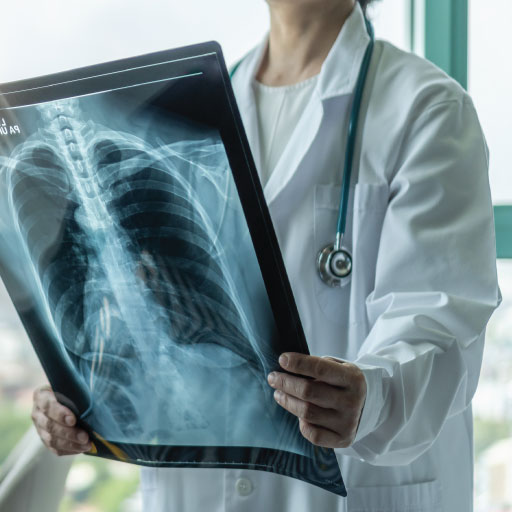
Tuberculosis is a lung disease that has been prevalent for a long time. Living with someone who has TB and taking care of them can be a challenging task. Here’s an overview of the disease and the measures you can adopt if you have questions, like “How to take care of a TB patient at home” on your mind.
What is Tuberculosis (TB)?
Tuberculosis is a disease that is classified as an infection spread by the bacterium Mycobacterium tuberculosis. It mainly affects the infected person’s lungs but may also affect other parts of the body, such as the spine, brain or kidneys. It is a highly contagious disease that can quickly spread through the air. There are two primary forms of tuberculosis: Latent TB and Active TB.
In Latent TB, the virus often remains inactive for a long time, and the person never experiences any symptoms. Active TB is where the virus is active. However, the disease can be treated with proper medical attention.
What Are the Symptoms of Tuberculosis?
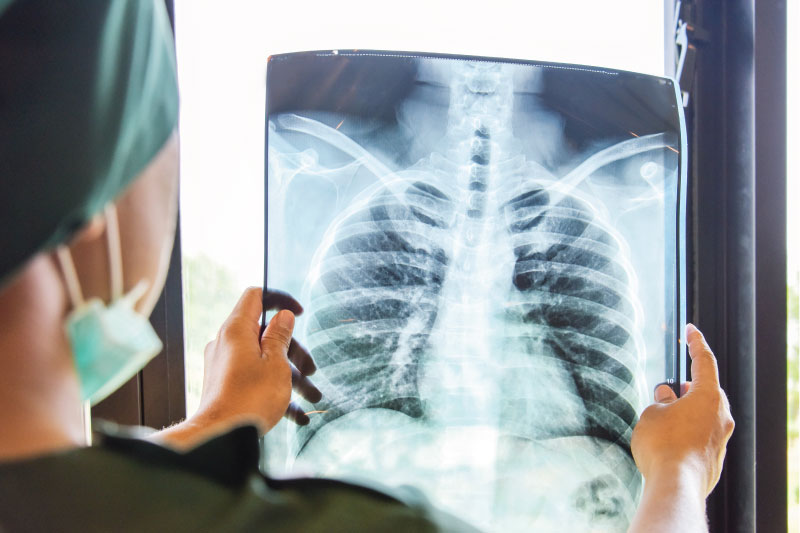
Here are some of the common symptoms of TB:
- Never-ending cough with or without blood
- Fatigue
- Unexplained weight loss
- Fever
- Night sweats
- Chills
- Chest pain
- Shortness of breath
How to Take Care of a TB Patient at Home?

To get a hold on how to take care of a TB patient at home, you must start by building patience and creating a consistent and supportive environment.
The most important thing to do when starting a patient on TB home treatment is to ensure that the patient takes all of their medications as prescribed. Adherence to their medication regimen is the most important factor for a successful outcome. Some other tips for TB home treatment include:
- Ensuring that the patient has a room that is well-ventilated
- Encouraging the patient to cover their mouth when coughing
- Properly disposing of the used tissues and ensuring tissues for use are available at all times
- Providing the patient with healthy meals, fluids, and emotional support
The treatment for TB can be long and burdensome. Following these TB precautions and regular follow-ups with a doctor can help ensure that a patient stays on track and that any complications do not arise. A calm, clean, and structured home environment for a patient with TB will ultimately lead to better results for them and their families.
How Does Tuberculosis Spread?
TB spreads through the air when a person with active pulmonary tuberculosis coughs, sneezes, laughs, or even speaks, releasing tiny infectious droplets. People with active TB can release thousands of such droplets whenever they cough, sneeze, laugh or speak. These droplets can stay in poorly ventilated indoor spaces for hours; therefore, spending time in the same poorly ventilated indoor area with someone who has active TB puts you at risk.
TB cannot be spread by touching someone who has active TB, sharing eating utensils or sharing food. By understanding the way TB spreads, families apply effective TB precautions such as:
- Improving the ventilation of their house
- Wearing masks when needed
- Not going to crowded or closed-in indoor areas until the TB patient is no longer infectious.
When Should You Seek Medical Help for Tuberculosis?
Seek medical attention immediately if the patient develops worsening symptoms such as persistent fever, severe cough, chest pain, increasing breathlessness, blood in sputum, or sudden weight loss. These signs may indicate complications or poor response to treatment. Also consult a doctor if you feel medication side effects like nausea, jaundice, vision changes, or extreme fatigue. Timely intervention ensures the treatment plan is adjusted quickly for safe and effective recovery.
What Are the Most Important TB Precautions for Family Members?
- Ensure Proper Ventilation: To reduce the chance of infectious TB droplets staying suspended in the air, it is important to maintain an open window policy to allow for natural light and proper ventilation.
- Masks: Follow recommendations for wearing a mask when interacting with the patient, especially during the period when they may still be infectious.
- Proper Cough Hygiene: Ensure that the patient uses proper coughing techniques and throws away tissues in a sealed plastic bag after use.
- Do Not Share Sleeping Areas: If possible, provide a separate bedroom to the patient with adequate ventilation until they are no longer infectious and don’t share the room with them.
- Build Up The Immune System: Make sure that your family members are eating a healthy diet and getting enough rest, while also washing their hands regularly to reduce the spread of infections.
- Continuously Follow-Up: Make sure that the patient follows their doctor’s appointments so that the household can adjust their precautions during the recovery process.
- Screen Close Contacts: Family members who live in the same household should undergo screening for TB as advised by a doctor. Some contacts may also be eligible for TB preventive treatment, which further reduces the risk of developing active disease.
Frequently Asked Questions
Yes, but you must make sure that the room has lots of ventilation and that you are taking all the necessary safety steps (for example, wearing a mask when close to the infected person).
By ensuring that the air flows freely through your home, using a face mask if at all possible, keeping your hands clean after touching surfaces in common areas of the house, and not sharing sleeping areas until the infected person has been ruled out as a source of infection.
In most cases, after about 2 to 3 weeks of anti-tuberculosis medications, the contagiousness of the person decreases considerably. However, it can only be confirmed by a doctor, so get tested before trying to socialise.
No, the mode of transmission for TB is through the air. Sharing dishes, beverages, or foods with someone who has TB does not place one at risk of contracting TB.
Family members should wear masks if within proximity of the infected member. Family members should also make a continued effort to ensure the family member affected by TB follows through with their medication regimen and attends all scheduled follow-up appointments with a doctor.
You may also be interested in the following blogs:
Popular Searches
Diabetes Friendly Food | Plant Based Protein | Heart Attack Vs Cardiac Arrest | Diabetic Skin Conditions | Heart Attack Recovery | Breakfast For Heart Patients | Benefits Of Walking | Constipation | How To Get Good Sleep | High BP In Young Adults | Diet Plan To Loss Weight | Body Fat Percentage | Health Trends | AQI In Winter | Citrus Fruits | AI And Mental Health | Is It Good To Skip Breakfast | Everyday Habits For Health | How Body Processes Food | Is Raisin Good For Thyroid | Warm Water Vs Cold Water | Benefits Of Gond Katira | Health Checkups After 30s | VO2 Max | Smoking In Your 20s Vs 40s