Home Finance
 Personal Finance
 SME Finance
 Loan Against Securities
 Business
 Mutual Funds
 Stock and Securities
 Portfolio Management Services
 Pension Funds
 Real Estate Investments
 Life Insurance
 Health Insurance
 Multiply Wellness
 Motor Insurance
 Travel Insurance
 Pay Bills
 Pay anyone
 Pay on call
 Payment Lounge
 ABC Credit Cards



 1800-270-7000

 ENG
ENG 


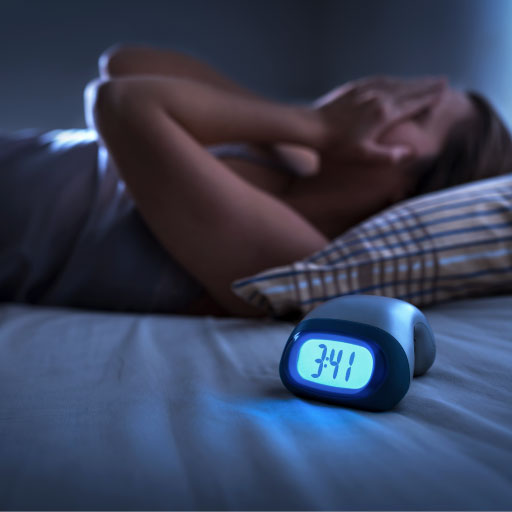
Why Can’t I Fall Asleep at Night?
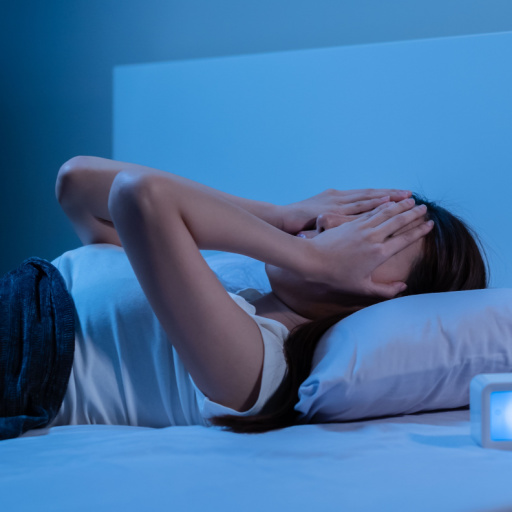
Falling asleep can be hard, even when you feel tired. Stress, too much screen time, an uneven routine, and a busy mind can keep you awake. Knowing what is disturbing your sleep is the first step to sleeping faster and better.
Stress and anxiety
Stress raises alertness levels in your body. When you feel anxious, your mind keeps scanning for problems.
Overthinking at bedtime
Bedtime often becomes thinking time. You may replay conversations or worry about tomorrow.
Excess screen time
Phones, tablets, and TVs give off blue light. This light reduces melatonin, the hormone that helps you sleep. Late-night scrolling also keeps your brain mentally stimulated.
Poor sleep schedule
Sleeping at different times each day confuses your body clock. Your brain does not know when to release sleep hormones. An irregular schedule makes falling asleep harder over time.
How Long Should It Take To Fall Asleep?
Most adults fall asleep within 10 to 20 minutes. Sometimes, taking up to 30 minutes is still normal. But if it often takes more than 30 minutes, it could mean stress, poor sleep habits or a sleep problem like insomnia.
How To Get Sleep Instantly: 10 Techniques That Actually Work
The 4-7-8 Breathing Method
Inhale through your nose for four seconds, hold for seven seconds, then exhale slowly for eight seconds with a soft whooshing sound. Repeat this cycle four times.
The Military Sleep Method
Lie down, close your eyes and relax your face first, then your shoulders and arms. Continue relaxing your chest, legs and feet while breathing slowly. Clear your mind by imagining a peaceful scene.
Progressive Muscle Relaxation
Tighten one group of muscles at a time, then release them. Start from your face and move down to your feet. Hold the tension for a few seconds before relaxing.
Cognitive Shuffling (Image Distraction)
This method keeps your mind busy in a calm way. Instead of worrying, picture simple random things like a tree, a cloud or a waterfall. Let the images change naturally.
Visualise a Calm Place
Picture yourself in a peaceful place like a beach or a garden. Imagine the sounds, smells and how it feels around you. Focus on small details to stay relaxed.
Reverse Psychology: Tell Yourself to Stay Awake
Trying too hard to sleep can make it harder. Instead, tell yourself to stay awake and just rest calmly. This removes pressure from your mind. Often, sleep comes more easily when you stop forcing it.
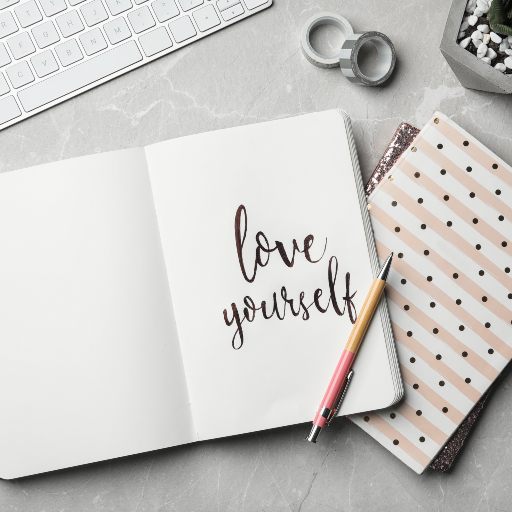
Journalise to Empty Your Mind
Write down what you need to do tomorrow or what is worrying you. Putting thoughts on paper clears your mind. It reduces overthinking in bed.
Acupressure Points for Sleep
This includes the spirit gate on the wrist and the wind pool at the base of the skull. Apply gentle circular pressure for two to three minutes while breathing deeply.
Create the Perfect Sleep Environment
Keep your bedroom cool, dark, and quiet. Turn off bright lights and avoid screens before bed. Use comfortable pillows and bedding. A calm room helps your body understand it is time to sleep.
Fix Your Sleep Timing
Sleep and wake up at the same time every day. Get some sunlight in the morning to set your body clock. Avoid long naps during the day. A steady routine helps you fall asleep more easily at night.
5 Daily Habits on How to Fall Asleep Fast
Here’s how to fall asleep quickly:
- Get morning sunlight exposure
- Limit caffeine after early afternoon
- Exercise regularly but not late at night
- Keep naps short and earlier in the day
- Follow a simple wind-down routine each evening
Natural remedies and supplements
There are several natural remedies and supplements that you can incorporate into your life for a better sleep cycle:
- Stable circadian rhythm:
Sleeping at different times every day is a normal habit for many people. Irregular sleeping patterns can create an unstable circadian rhythm. The circadian rhythm is a collection of mental and physical activities during the 24-hour cycle. Going to sleep at the same time can aid you in predicting when to induce sleepiness. Fostering a stable circadian rhythm is one of the most effective ways to sleep faster.
- Drink liquids:
It’s well-known that drinking milk, chamomile tea, and other fruit juices can aid you in getting better sleep. Warm milk can stimulate the effects of tryptophan on our brains. In addition, drinking these liquids comes without any side effects.
- Do yoga and exercises:
Practising certain yoga postures and physical activities can help improve the quality of your sleep. Incorporating aerobic exercises can help you enhance your deep sleep as it releases endorphins. In addition, it also increases your body temperature. However, make sure to practise these exercises at least 2 hours before you sleep. Performing yoga and exercises is one of the best ways to sleep faster.
You now know how to sleep instantly. Including these habits and making behavioural changes over time can help you sleep instantly.
When to See a Doctor for Sleep Problems
If you regularly struggle to fall asleep despite good habits, consult a healthcare professional. Loud snoring, breathing pauses, chronic insomnia or severe daytime fatigue may indicate a sleep disorder.
Key Takeaways
- Insomnia, narcolepsy, and restless leg syndrome are common sleep issues.
- To improve your sleep, stick to a consistent schedule, monitor your diet, and stay physically active.
- Additionally, drink plenty of fluids, practise yoga, and engage in regular exercise.
Stay tuned to the Activ Living Community. Keep up to date with the latest health tips and trends through expert videos, podcasts, articles, and much more in nutrition, fitness, mindfulness, and lifestyle conditions like Asthma, Blood Pressure, Cholesterol, and Diabetes.
You may also be interested in the following blogs:
Popular Searches
How to lower blood pressure | Fruits good for liver | Unhealthy foods | Ragi Benefits | Basal Metabolic Rate | Acupressure points for High Blood Pressure | Ayurvedic medicine for blood pressure | How to control cholesterol at home | Homeopathy for Asthma | Biological Age | Home remedies for TB | Natural beta blockers | Negative effects of internet | Types of walking | Blood pressure calculator | Blood sugar calculator | BMI Calculator
Frequently Asked Questions
To those who want to know how to go to sleep fast, start by slowing your breathing and relaxing your body. Turn off lights and screens and focus on calm imagery or gentle breathing exercises.
The military sleep method and 4-7-8 breathing could help you relax quickly. However, results vary and require practice to work effectively.
You may be mentally overstimulated or stressed. An irregular schedule or screen exposure can also confuse your body clock.
Yes. It can be normal if it happens occasionally. Otherwise, it may suggest stress, poor sleep habits, or mild insomnia.
Popular Searches
how to reduce uric acid | how to stop blood clots during period naturally | क्षयरोग झाल्यावर काय काळजी घ्यावी | yoga for cholesterol | 10 negative effects of internet | liver cirrhosis diet chart indian | glycemic index of sugarcane juice | mudra to reduce body heat | how to clear your mind | health benefits of ragi | peripheral neuropathy exercises | natural beta blockers | 1 day detox diet plan | tofu vs paneer | how to cure asthma forever | tea for asthma | what herb lowers blood sugar quickly | allergic bronchitis | how to do hand grip exercises for blood pressure | calisthenics | cow ghee vs buffalo ghee | how to move on | how to use ginger for blood pressure | kreuzkümmel | korralu | is upma good for diabetes | instant relief from acidity at home | mudra for weight loss | types of walking | low fiber indian food