Home Finance
 Personal Finance
 SME Finance
 Loan Against Securities
 Business
 Mutual Funds
 Stock and Securities
 Portfolio Management Services
 Pension Funds
 Real Estate Investments
 Life Insurance
 Health Insurance
 Multiply Wellness
 Motor Insurance
 Travel Insurance
 Pay Bills
 Pay anyone
 Pay on call
 Payment Lounge
 ABC Credit Cards



 1800-270-7000

 ENG
ENG 


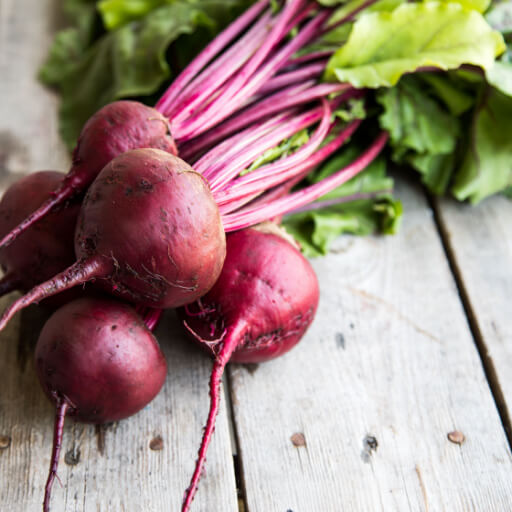
Are you one of those people who omit beetroot from salads? Then, you are missing out on many essential nutrients. Here’s why – beetroot has a rich nutritional profile and medicinal properties, making it a culinary superfood. Its role in treating fever, constipation, and skin diseases makes it a daily addition to your plate.
Beetroot and Diabetes: How Are They Connected?
Beetroot’s medium glycaemic index (GI) of around 61 means it causes a moderate rise in blood sugar levels. However, its fibre, antioxidants, and nitrate content balance this effect. So, beetroot can be a smart addition to a diabetes-friendly diet, especially if you’re wondering can diabetics eat beetroot.
Can Diabetics Eat Beetroot? Exploring the Glycemic Index
The glycemic index (GI) is a rating system that measures how much of a rise we see in blood sugar levels based on the food we eat. These foods are ranked on a scale of 0-100 and further classified as low, medium, and high glycemic foods. Having a low GI will have less impact on blood sugar levels. Three GI ratings are available: low – 55 or less, medium – 56 – 69, and high – 70 or above. Beetroot’s glycemic index falls in the medium range, which is 61.
Beetroot contains abundant amounts of powerful antioxidants and nutrients; hence, it has been observed that beetroot is good for sugar patients. However, make sure that you consume beetroot in moderation and in the right form.
May Lower Blood Sugar and Insulin Levels
Beetroot is high in fibre and phytochemicals that can help regulate post-meal glucose levels. Research suggests that drinking beetroot juice can lead to a lower spike in blood sugar after meals.
Supports Healthy Blood Pressure
High blood pressure often coexists with diabetes and increases cardiovascular risk. The nitrates in beetroot convert to nitric oxide in the body. These help dilate blood vessels and improve blood flow.
Helps Reduce Insulin Resistance
One of the metabolites present in beetroot, nitrate, may improve the body’s response to insulin. Some even theorise that beetroot juice can reduce insulin resistance. This effect can be especially helpful for people with prediabetes or insulin resistance.
May Reduce Risk of Diabetes Complications
Beetroot’s antioxidants combat free radicals and reduce cellular damage. By lowering oxidative stress, the vegetable protects blood vessels and organs affected by long-term diabetes.
Rich in Antioxidants and Nitrates
The deep red pigment in beetroot, betalain, along with compounds like manganese, potassium, and folate, helps reduce inflammation and support nerve and heart function. Natural nitrates also improve oxygen delivery and endurance during physical activity.
Nutritional Value of Beetroot
A 100-gram serving of raw beetroot provides:
- Calories: 43
- Carbohydrates: 9.6 g
- Fibre: 2.8 g
- Protein: 1.6 g
- Potassium: 325 mg
- Folate (Vitamin B9): 109 µg
- Vitamin C: 4 mg
Beetroot is generally safe, but like all foods, moderation is key.
- Beeturia: Some people may notice pink or red-coloured urine after eating beetroot, a harmless condition caused by its natural pigments.
- Kidney Stones: Beetroot contains oxalates that can contribute to kidney stone formation in sensitive individuals.
- Natural Sugar Content: Though beetroot has natural sugars, they’re balanced by its fibre and nutrients. Still, portion control is essential, especially in juice form.
Ways to Include Beets in Your Diet

Beetroot is available throughout the year and can easily fit into your diet in various ways:
- Raw: Grate beetroot into salads for extra colour and crunch.
- Cooked: Steam or roast it lightly to retain nutrients.
- Juiced: Combine with apples, carrots, or ginger for a nutrient-rich drink (limit portion size).
- Snacks: Try beetroot soup, oven-roasted beet chips, or beetroot hummus for healthy snacking.
Key Takeaways: Is Beetroot Good for Diabetes?
- Beetroot has a medium glycemic index of 61.
- It may help lower blood sugar levels, reduce blood pressure, and improve insulin resistance.
- Healthy snack options include beetroot soup, beetroot chips, and oven-roasted beets.
Frequently Asked Questions
Yes, people with diabetes can eat beetroot daily in moderate amounts.
Yes. However, since juicing removes fibre, it’s best consumed occasionally.
Beetroot may help lower post-meal blood sugar spikes due to its fibre and phytochemicals, which slow glucose absorption.
Eating beetroot in excess can lead to beeturia or mild stomach discomfort.