Home Finance
 Personal Finance
 SME Finance
 Loan Against Securities
 Business
 Mutual Funds
 Stock and Securities
 Portfolio Management Services
 Pension Funds
 Real Estate Investments
 Life Insurance
 Health Insurance
 Multiply Wellness
 Motor Insurance
 Travel Insurance
 Pay Bills
 Pay anyone
 Pay on call
 Payment Lounge
 ABC Credit Cards



 1800-270-7000

 ENG
ENG 


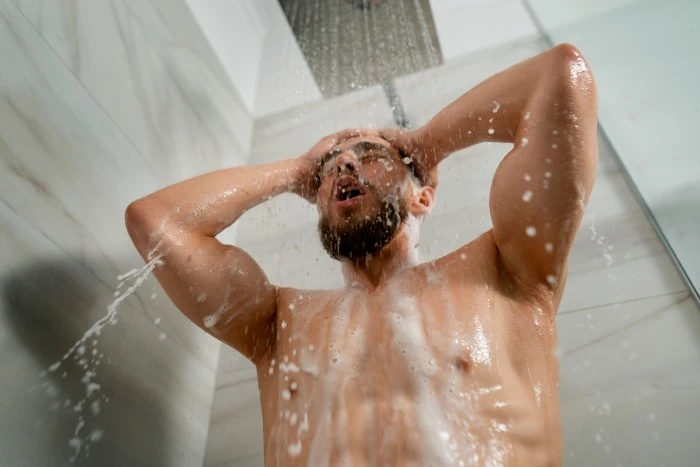
Cold showers might not seem very appealing to everyone at first, yet they have been gaining popularity for their potential health and wellness benefits. Supporting alertness, circulation, skin comfort, and post-exercise recovery, this simple practice can be a refreshing addition to your everyday routine.
What is Cold Shower Therapy and How Does It Work?
Cold shower therapy involves exposing your body to cold water for a short duration. When exposed to cold water, your body triggers a cold shock response that narrows blood vessels and directs blood toward vital organs. After you warm up, blood flow returns to normal, which may support circulation.
Meanwhile, your nervous system becomes more alert, and stress-related chemicals such as adrenaline increase. After a cold water shower, some people feel more energised and mentally alert. Over time, regular exposure may help some people become more comfortable with cold conditions and build mental resilience, although effects can vary from person to person.
9 Surprising Benefits of Bathing with Cold Water for Your Health
While exposure to cold can initially be uncomfortable, it may offer various physical and mental benefits. These are some of the most notable benefits of bathing with cold water:
Boosts Alertness and Helps You Feel Energised
A cold water shower activates your sympathetic nervous system and can make you feel more awake. The sudden exposure to cold often causes deeper breathing and a heightened sense of alertness, which is why many people use cold showers to feel refreshed, especially in the morning.
Supports Circulation
When you take a cold water shower, your blood vessels constrict and then return to normal as you warm up, which may support healthy blood flow.
Helps Reduce Muscle Soreness After Exercise
Cold water immersion is a popular form of recovery and may help reduce muscle soreness after intense physical activity. The low temperature causes the blood vessels to constrict temporarily, which may help limit swelling in some situations.
May Temporarily Ease Localised Discomfort
Exposure to cold can temporarily desensitise nerve endings, which may reduce pain and discomfort in the area for a short period.
May Support Mood in Some People
One of the immediate cold water shower benefits is that some people report feeling refreshed, uplifted, and mentally recharged afterwards. However, cold showers are not a treatment for depression or other mental health conditions.
Helps You Wake Up and Increases Mental Clarity
Cold showers can make you feel more alert and focused. Being exposed to cold water often triggers deeper breathing and a stronger sense of wakefulness.
May Be Gentler on Skin and Hair Than Hot Water
Cold water does not strip natural oils as much as hot water can. It may help reduce moisture loss and leave skin and hair feeling less dry for some people. It can also feel soothing and may be a gentler choice for maintaining skin comfort.
Supports Mental Resilience and Willpower
Getting used to brief cold exposure can be mentally challenging at first. Over time, some people find that making cold showers a regular habit helps them build discipline, tolerance for discomfort, and a greater sense of resilience.
May Slightly Increase Energy Expenditure
Cold exposure may activate brown fat, a type of fat that helps generate heat. Although it is not a miracle weight-loss activity, this process may slightly increase energy expenditure. Together with a healthy lifestyle, this is among the lesser-known yet helpful cold shower benefits for metabolic health.
How to Safely Use Cold Showers as Therapy?
Cold showers are good, but plunging into extremely cold water is not the best method for most of us. Begin with 20-30 seconds of cold water at the end of your normal shower and gradually increase the duration over time as your body adjusts.
Concentrate on breathing – take slow and steady breaths to overcome the shock at the beginning and keep your body relaxed. Keep the exposure brief, especially when starting out, and pay attention to your body. In case of excessive discomfort, dizziness, or numbness, get out and warm up slowly. Regularity matters more than intensity to take full advantage of bathing with cold water as part of a balanced routine.
Health Considerations Before Taking Cold Showers
Although the benefits of a cold water shower are real for many people, they might not apply to everyone. People with heart conditions, high blood pressure, or certain respiratory problems like asthma or Raynaud’s disease should seek a doctor’s advice before trying cold exposure, as a sudden drop in temperature may temporarily raise heart rate and blood pressure.
Individuals with extremely sensitive skin or those who experience conditions such as eczema should also be careful, as cold water can sometimes feel irritating. Also, excess or prolonged exposure may prove to be counterproductive. Moderation is the key element; cold showers must support your health, not overstress your body.
Cold Shower Tips and Tricks
Minor changes can make cold showers easier to maintain as a habit:
Start Slowly and Gradually Decrease the Temperature
Start with lukewarm water and gradually reduce the temperature over days or weeks. This helps your body adjust and makes it easier to stay consistent.
Use Cold Water Showers for Quick Energy Boosts
Brief showers of cold water, particularly in the morning or midday, may help boost your alertness and vitality.
Keep Cold Showers Short to Avoid Overexposure
Cold showers do not have to be very long to be useful. Keeping them relatively brief, especially as a beginner, is usually enough to explore cold bath benefits without pushing your body too far.
Time to Gain All Cold Shower Benefits
A cold water shower may do more than simply leave you feeling refreshed. It may support alertness, recovery after exercise, skin comfort, and resilience.
Begin slowly, watch how your body responds, and build the habit over time. And if you want to enhance your everyday life and stay true to your healthy habits, the Activ Living Community can help you track your progress with practical, sustainable advice.
Frequently Asked Questions
It may support alertness, circulation, exercise recovery, and mental resilience when used appropriately.
For most people, a brief exposure of around 30 seconds to a few minutes is enough, especially when starting out. It is best to increase the duration gradually based on comfort.
They may be less drying than hot showers for some people, but individuals with sensitive skin conditions should watch how their skin reacts.
It may support energy expenditure slightly; however, it is not a major or standalone weight-loss technique.
In some people, sudden exposure may stress the cardiovascular system, so care should be taken with certain medical conditions.
Many people prefer taking one in the morning for a refreshing start, but the best time depends on your comfort and routine.
It can activate the body’s alertness response, which may help you feel more awake and focused for a short time.