Home Finance
 Personal Finance
 SME Finance
 Loan Against Securities
 Business
 Mutual Funds
 Stock and Securities
 Portfolio Management Services
 Pension Funds
 Real Estate Investments
 Life Insurance
 Health Insurance
 Multiply Wellness
 Motor Insurance
 Travel Insurance
 Pay Bills
 Pay anyone
 Pay on call
 Payment Lounge
 ABC Credit Cards



 1800-270-7000

 ENG
ENG 



There is a sense of a stable life in your 30s, but it is also the period when silent health threats may start to accumulate without symptoms. It is good to check health regularly to identify problems early in their development, monitor important indicators, and avoid chronic complications. This is the decade to be proactive and stay ahead of your health rather than facing serious health problems later.
Why Health Checkups Become Important After 30?
Your metabolism slows down in your 30s, and lifestyle habits start to have long-term consequences on your health. Diseases such as high cholesterol, diabetes, thyroid diseases, and vitamin deficiencies may occur silently without any symptoms.
Stress at work, a disrupted schedule, sleeplessness, and a lack of exercise and physical activity also increase health risks in this stage. Frequent examinations will monitor these changes at an early stage and intervene before they become chronic. The decade is about prevention through regular follow-up and informed lifestyle choices rather than reacting to illness.
Essential Health Checkups After 30s
Routine health tests after 30 can help you monitor key body functions and prevent imbalance at its earliest stages. Such examinations are the basis of preventive medicine, and you must include them in your routine check-ups.
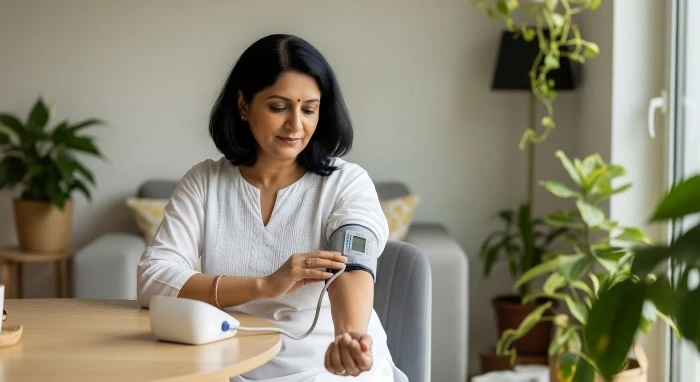
Blood Pressure Monitoring
High blood pressure is a silent condition that often has no symptoms but can lead to severe heart issues. Regular monitoring is essential for adults in their 30s to ensure readings stay within a healthy range.
Complete Blood Count (CBC)
The CBC test is used to assess general health by examining red blood cells, white blood cells and platelets. It is a simple but necessary screening tool that assists in identifying infections, anaemia, and immunity problems at an early stage.
Lipid Profile Test
The test determines the level of cholesterol, LDL, HDL, and triglycerides. It aids in determining your risk of heart disease and provides dietary and lifestyle modifications to prevent cardiovascular diseases.
Blood Sugar Tests (Fasting & HbA1c)
Fasting blood sugar and HbA1c tests are used to check the level of glucose and identify diabetes or insulin resistance. Frequent testing is important, particularly when you have an inactive lifestyle or when your family history includes diabetes.
Thyroid Function Test (TSH, T3, T4)
Thyroid tests measure hormone levels that control metabolism, energy, and mood. Imbalances may cause changes in weight, tiredness, and hormonal problems, so it is essential to identify them as soon as possible.
Liver Function Test (LFT)
LFT evaluates the health of the liver through the process of enzyme and protein measurement. It assists in identifying liver damage, fatty liver, or inflammation, which is critical, especially to individuals with poor dietary intake or alcohol consumption.
Kidney Function Test (KFT/RFT)
The test measures the ability of your kidneys to filter the waste in the blood. It aids in detecting early kidney problems, particularly among people at high risk of hypertension or diabetes.
Vitamin D and Vitamin B12 Tests
These tests identify general deficiencies that influence energy, bone structure, nerve activity, and immunity. Low concentrations have the potential to induce fatigue, weakness and long-term health complications when ignored.
Additional Health Screenings to Consider
Other than the usual blood tests, some other tests can give you more information about your overall health, particularly when you are at risk due to family history, stress, or even lifestyle issues.
Cardiovascular risks can be assessed using BMI, waist circumference, and an ECG for heart health. Women should take into consideration a Pap Smear and breast examination. Men should consult their doctor for screenings based on specific risk factors because routine tests like prostate screening typically begin in the 40s. Dental checkups and eye exams are also important but generally neglected.
Such screening, conducted periodically, will help create a more comprehensive picture of your health and early response.
How Often Should You Get Health Checkups Done?
The frequency of healthcare checkups depends on your age, lifestyle, and prevalent risk factors. When you are in your 30s, you should have a basic health checkup once a year to monitor key markers and identify early changes.
In case you have conditions such as diabetes, high blood pressure, or a family history of chronic diseases, your physician can encourage more frequent testing. Lifestyle factors like stress, an unhealthy diet, or sitting at a desk might also need closer attention.
Routine checkups will guarantee that things are done on time and you are in command of your long-term health.
Signs You Should Not Delay a Health Checkup
Although a regular checkup is valuable, some symptoms should not be overlooked because they can be signs of underlying health problems that require urgent treatment.
Be aware of the following warning signs:
- Low energy or unexplained tiredness.
- Sudden weight gain or loss
- Recurrent headaches or vertigo.
- Constant digestive problems or acidity.
- Sleeplessness or chronic stress.
- Shortness of breath or chest pain.
These symptoms can be easily overlooked, but they are a warning of underlying issues. Checkups at the right time can help to find out the cause on time and avoid complications.
Benefits of Regular Health Checkups in Your 30s
Health checkups after 30 should be done once every year. They will keep you ahead of any imminent health complications. This is the decade in which preventive care is the most effective.
Key benefits include:
- Early disease detection: Identifies problems such as diabetes, cholesterol issues, or thyroid imbalances before they advance.
- Improved risk management: Assists in monitoring and controlling lifestyle risks.
- Better health in the long run: When intervention is done early, it minimises problems later in life.
- Personalised health insights: Provide information to customise diet, exercise, and lifestyle choices.
- Peace of mind: Having certainty of health relieves stress.
Regular check-ups will enable you to have the power to control your health.
Tips to Prepare for a Health Checkup
Proper preparation guarantees good results and makes the checkup process easier. Some simple actions will greatly improve the quality of your reports.
Before your checkup:
- Fast when necessary: Most tests require 8-12 hours of fasting- take care.
- Remain hydrated: Take water unless otherwise directed.
- No alcohol or high-fat meals: Avoid these for at least 24 hours before the test.
- Get a good night’s sleep: Lack of sleep may affect outcomes, such as blood pressure and blood sugar levels.
- Carry medical history: Include previous reports, medication, and known conditions.
Proper preparation leads to more dependable outcomes and better medical advice.
Time to Conquer Your 30s
It is time to transition to preventive medicine when you are 30. Health checkups after 30s reveal issues and help you better understand your body to make better lifestyle decisions.
In case you prefer to remain consistent with your wellbeing, develop better habits, and remain accountable, the Activ Living Community can provide you with practical guidance and support to reach the goal of controlling everything, one step at a time.
Frequently Asked Questions
After the age of 30, blood pressure, CBC, lipid profile, blood sugar, thyroid, liver, kidney, and vitamin tests are recommended at least once a year.
It is advised once a year, or more often if you have risk factors or already have a condition.
Yes, they help identify problems early and avoid long-term health problems.
Rudimentary tests include CBC, lipid profile, blood sugar, thyroid, liver, kidney and vitamin levels.
Certain insurance plans cover checkups to prevent diseases. Check your policy to know.
Yes, there are numerous diagnostic services that offer home sample collection for simple health tests.