Home Finance
 Personal Finance
 SME Finance
 Loan Against Securities
 Business
 Mutual Funds
 Stock and Securities
 Portfolio Management Services
 Pension Funds
 Real Estate Investments
 Life Insurance
 Health Insurance
 Multiply Wellness
 Motor Insurance
 Travel Insurance
 Pay Bills
 Pay anyone
 Pay on call
 Payment Lounge
 ABC Credit Cards



 1800-270-7000

 ENG
ENG 


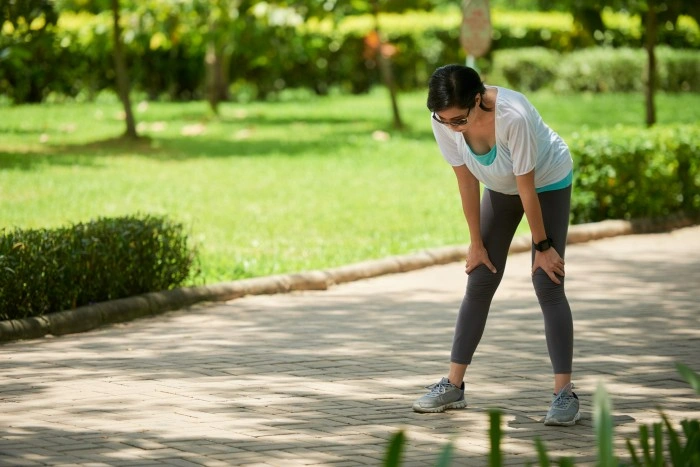
Knee discomfort becomes more common as people grow older. Sometimes it starts as mild stiffness. At other times, it appears after long hours of sitting or standing. Because of this, many people begin to avoid movement, especially walking. The fear is simple. What if walking makes it worse?
In reality, complete rest is not always the answer. In many situations, steady and gentle walking helps joints stay healthier for longer. The key lies in understanding how joints function and how simple movement supports them over time.
Is Walking Good for Knee Pain?
A question that often comes up is, ‘Is walking good for knee pain?’ For mild or early discomfort, the answer is often yes. Gentle walking keeps the knee joint moving and prevents it from becoming too stiff.
When a joint is not used regularly, it may feel tighter and more uncomfortable. Light walking improves circulation around the knee and can ease that heavy, stiff feeling. However, if pain is sharp, sudden, or linked to a recent injury, medical advice should be taken before continuing.
The important difference is between manageable discomfort and worsening pain. Walking should not feel unbearable.
Is Walking Good for Arthritis in the Knee?
People living with arthritis are often cautious about movement. It is common to wonder, is walking good for arthritis in the knee, or does it speed up damage?
In most cases, controlled walking is helpful. Arthritis involves wear and tear in the joint, but avoiding movement can increase stiffness. Gentle activity helps maintain flexibility and keeps the surrounding muscles active. Stronger muscles support the joint and reduce pressure on it.
There is also a broader concern people raise: Is walking good for arthritis in general? While every condition is different, moderate walking encourages circulation and reduces stiffness without putting extreme strain on the joints.
How Joints Work
The knee joint connects the thigh and shinbone. Between them sits cartilage, which acts like a cushion. Around the joint is synovial fluid, a natural lubricant that reduces friction.
When a person walks, this fluid circulates more effectively. Movement helps nourish cartilage and keeps the joint surfaces smoother. Without regular movement, lubrication reduces, and stiffness increases. That is one reason joints often feel tighter after long periods of sitting.
What Causes Joint Degeneration?
Joint degeneration happens gradually. Ageing plays a role, but it is not the only factor. Excess body weight places additional pressure on the knees. Previous injuries can weaken the joint structure. Weak thigh muscles may also shift more stress onto the knee itself.
Over time, cartilage may thin. When cushioning reduces, bones come closer together, which may cause discomfort. However, gentle and regular movement can slow this process by keeping muscles active and circulation steady.
How Walking Supports Joint Health
Walking supports joint function in several ways. Let’s discover a few key benefits of it below.
Joint Lubrication
Each step encourages synovial fluid to move within the joint. This lubrication reduces friction and supports smoother movement. Regular walking prevents the joint from becoming dry and stiff.
Stronger Supporting Muscles
The muscles around the knee, particularly the quadriceps and hamstrings, help stabilise the joint. Walking strengthens these muscles gradually. When muscles are stronger, they absorb some of the impact that would otherwise reach the joint directly.
Better Circulation
Movement improves blood flow to the tissues around the knee. Better circulation supports healing and reduces mild swelling. This also helps reduce the feeling of heaviness that can follow long periods of inactivity.
Reduced Stiffness
Many people notice stiffness after sitting for too long. Walking breaks that cycle. Even a short walk can ease tightness and restore smoother movement.
Walking Tips to Protect Your Knees
Walking is helpful, but certain habits make it safer, such as:
Wear Supportive Footwear
Shoes matter more than many people realise. Supportive footwear with proper cushioning helps absorb shock. Worn-out or flat shoes may increase pressure on the knees.
Maintain Good Posture
Standing upright, keeping shoulders relaxed, and looking ahead helps distribute body weight evenly. Leaning forward or walking with poor posture can increase strain.
Increase Distance Gradually
Suddenly walking long distances can overload the joint. It is better to start with shorter walks and slowly build up over time. Gradual progress allows muscles and joints to adapt safely.
Choose Softer Surfaces
Where possible, walking on slightly softer surfaces such as parks or tracks can reduce impact. Very uneven ground should be approached carefully to avoid twisting the knee.
When to Modify or Avoid Walking
Walking should feel manageable. If swelling increases significantly, or if pain becomes sharp and persistent, it is important to pause. Continuing through severe pain can cause further strain.
In certain cases, low-impact alternatives such as swimming or cycling may be more comfortable. Seeking medical advice is important if the knee feels unstable, locks frequently, or if discomfort does not improve with rest.
Listening to the body is essential. Gentle soreness can be normal at the beginning of a routine, but worsening pain is not.
The Benefits of Walking for Joint Health
Walking is one of the simplest ways to support joint health over time. It encourages lubrication, strengthens the muscles that protect the knee, and reduces stiffness that builds with inactivity. Avoiding movement altogether may actually increase discomfort. With proper footwear, good posture, and gradual progression, walking can remain a safe and steady habit that supports joint comfort for years to come.
Frequently Asked Questions
Short and comfortable walks are usually best at the beginning. Gradually increasing time and distance may help avoid extra strain on the knees.
Yes, gentle walking helps keep the knee joint moving and may reduce stiffness that develops after long periods of sitting or inactivity.
Softer and even surfaces, such as walking tracks or parks, may place less impact on the knees compared to hard or uneven ground.
Mild soreness can happen when starting activity, but sharp pain, swelling, or worsening discomfort may be a sign to rest and seek medical advice if needed.
Start with short and manageable walks, such as 10–15 minutes, and gradually increase based on comfort and fitness level.
Many people with mild arthritis benefit from regular, moderate walking, though intensity and duration should match comfort levels.