
 Home Finance
 Personal Finance
 SME Finance
 Loan Against Securities
 Business
 Mutual Funds
 Stock and Securities
 Portfolio Management Services
 Pension Funds
 Real Estate Investments
 Life Insurance
 Health Insurance
 Multiply Wellness
 Motor Insurance
 Travel Insurance
 Pay Bills
 Pay anyone
 Pay on call
 Payment Lounge
 ABC Credit Cards



 1800-270-7000

 ENG
ENG 


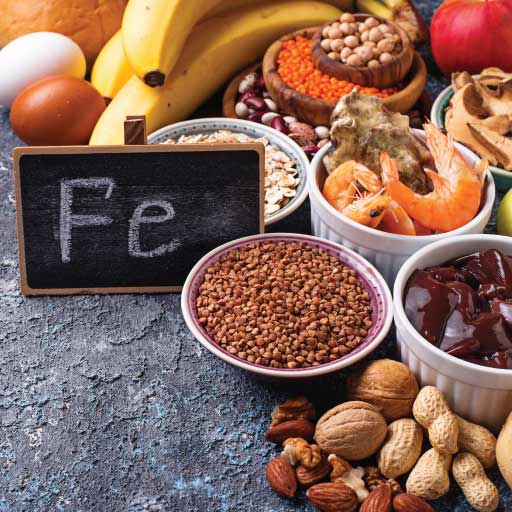
What is Hemoglobin?
Hemoglobin is a protein in red blood cells. It contains iron. It carries oxygen from your lungs to the rest of your body. It also brings carbon dioxide back to the lungs. This basically gives blood its red color. Thus, helping your organs work the way they should.
What Are the Functions of Hemoglobin?
Hemoglobin is vital for carrying oxygen from the lungs to tissues and organs and for transporting carbon dioxide from the tissues back to the lungs.
What is the Normal Hemoglobin Level for Men and Women?
Normal hemoglobin levels vary by sex and age. In general, adult men have levels around 13.8 to 17.2 g/dL, while adult women range from 12.1 to 15.1 g/dL. Slight variations may occur based on health and laboratory standards.
What causes low hemoglobin?
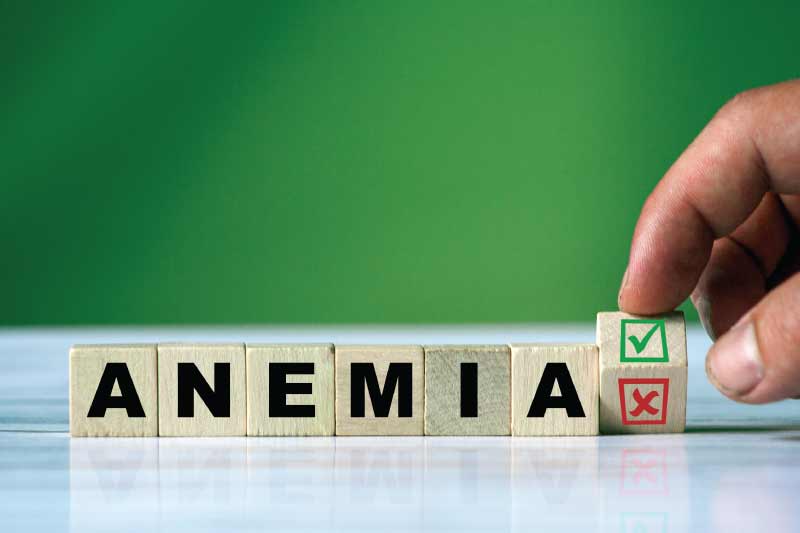
Some common causes of low hemoglobin are:
- Substantial blood loss
- Deficiency in iron, vitamin B, and folate
- Kidney disease
- Hypothyroidism
- Thalassemia
- Lung diseases
- Excessive smoking
Any type of blood loss can cause anemia, including blood loss from surgery, heavy menstrual periods, and bleeding in the gastrointestinal tract.
Symptoms of low hemoglobin
You can detect extremely low hemoglobin levels in your system in several ways. They include
- A fast or irregular heartbeat
- Fatigue
- Frequent or unexplained bruising
- Shortness of breath
- Liver and kidney disease
- Pale skin and gums
- Muscle weakness
- Reoccurring headaches
- Dizziness
- Poor appetite
- Anemia in severe cases
Elevated hemoglobin levels are associated with dehydration, heart failure, and chronic lung disease. In some conditions, the bone marrow may not produce enough RBCs, leading to cancers like leukemia, lymphoma, or tumors that spread from other parts of the body into the bone marrow.
Foods to Increase Hemoglobin Levels
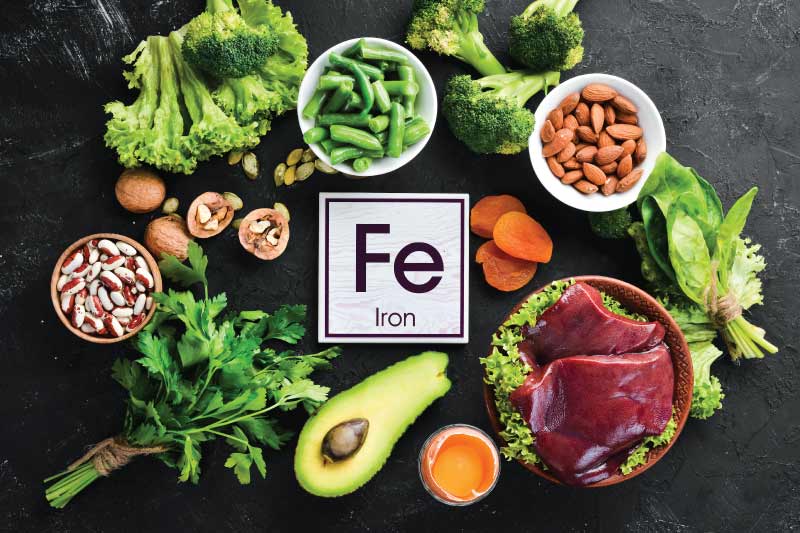
It is essential to boost your food intake to raise your hemoglobin levels. Here are some foods to increase hemoglobin levels:
Iron-Rich Foods
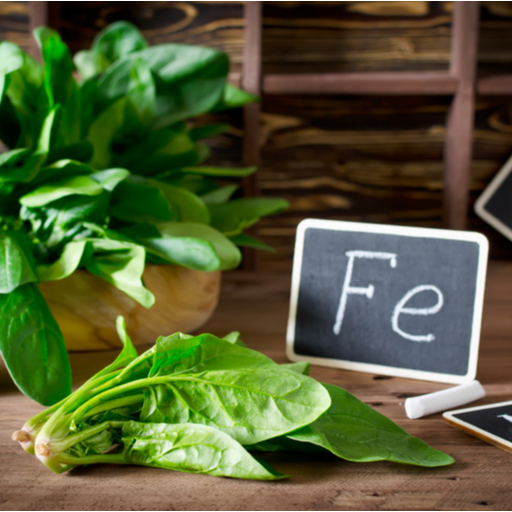
Iron is essential for hemoglobin production. When searching for food to increase blood levels, include spinach, lentils, chickpeas, pumpkin seeds, sesame seeds, red meat, chicken (especially dark meat), eggs, and fish. Heme iron from animal sources is absorbed more easily, while plant sources work best when paired with vitamin C.
Folate-Rich Foods
Folate supports red blood cell formation. To incorporate foods to improve hemoglobin, add leafy greens, broccoli, beans, lentils, avocado, and citrus fruits to your meals. Folate deficiency can lower hemoglobin levels, so regular intake is important, especially for women and during pregnancy.
Vitamin B12 Sources
Vitamin B12 is needed to form healthy red blood cells. Good sources include eggs, milk, yogurt, fish, chicken, and fortified cereals. Vegetarians may require fortified foods or supplements if dietary intake is low.
Foods Rich in Vitamin C (To Improve Iron Absorption)
Vitamin C helps your body absorb iron better. Include oranges, lemons, amla, strawberries, guava, bell peppers, and broccoli in your diet. Pairing vitamin C foods with iron-rich meals improves iron uptake.
Vitamin A and Copper Sources
Vitamin A and copper help in iron metabolism and red blood cell production. Specifically, Vitamin A helps mobilise iron from storage so the body can use it for haemoglobin synthesis. Include carrots, sweet potatoes, pumpkin, nuts, seeds, whole grains, and legumes. These nutrients support proper hemoglobin synthesis.
Foods and Habits That Block Iron Absorption
Tea and coffee taken with meals can reduce iron absorption. Excess calcium supplements during iron-rich meals may also interfere. Highly processed foods, poor hydration, and heavy alcohol intake can further reduce nutrient absorption and slow improvements in hemoglobin.
How to Increase Hemoglobin Levels Quickly
To raise hemoglobin levels faster, focus on iron-rich meals and vitamin C to improve absorption. Avoid tea or coffee one hour before and after meals. Include protein to support red blood cell production. In moderate to severe anemia, doctors may recommend iron supplements, folic acid, or vitamin B12 under supervision. Regular testing helps monitor improvement and adjust treatment if needed.
Lifestyle Tips to Improve Hemoglobin Naturally
Healthy habits support better blood health over time.
Small daily changes can improve nutrient absorption and red blood cell production.
Balanced Diet Planning
Plan meals that combine iron, vitamin C, protein, and folate. Avoid skipping meals and include a variety of plant and animal sources for better nutrient balance.
Exercise and Circulation
Light to moderate exercise improves blood circulation and oxygen delivery. Walking, stretching or yoga can support overall energy and cardiovascular health.
Managing Underlying Conditions
Treating conditions like thyroid disorders, kidney disease, or chronic inflammation helps prevent persistent anemia. Regular health checkups allow early detection and timely management.
Key Takeaways
- Iron, vitamin B12, folate, and vitamin C are essential for healthy hemoglobin levels.
- Avoid tea or coffee around meals to improve iron absorption.
- Seek medical advice if symptoms are severe or hemoglobin remains low.
Frequently Asked Questions
Normal levels are about 13.8–17.2 g/dL for men. It is 12.1–15.1 g/dL for women.
Yes. 9.5 g/dL is considered low and falls into the category of moderate anaemia, which usually requires medical consultation.
Eat iron-rich foods with vitamin C and consult a doctor if supplementation is needed.
Red meat, spinach, lentils, pumpkin seeds, and fortified cereals help increase iron levels. Pair them with citrus fruits to improve absorption.
Mild deficiency improves with diet changes. Severe anemia requires supplements or medical treatment.
It may take a few weeks to months. This depends on the cause and treatment.
Stay tuned to the Activ Living Community. Stay updated with the latest health tips and trends through expert videos, podcasts, articles, and much more on nutrition, fitness, mindfulness, and lifestyle conditions like Asthma, high Blood Pressure, Cholesterol, and Diabetes. Activ Living ke saath sahi sehat ki shuruaat ABHIkaro.
You may also be interested in the following blogs:
- 10 Vegetarian Foods That Are Rich In Iron
- Want to Add Iron Rich Foods to your diet? Check Out These Iron-Rich Foods.
Popular Searches
Diabetes Friendly Food | Plant Based Protein | Heart Attack Vs Cardiac Arrest | Diabetic Skin Conditions | Heart Attack Recovery | Breakfast For Heart Patients | Benefits Of Walking | Constipation | How To Get Good Sleep | High BP In Young Adults | Diet Plan To Loss Weight | Body Fat Percentage | Health Trends | AQI In Winter | Citrus Fruits | AI And Mental Health | Is It Good To Skip Breakfast | Everyday Habits For Health | How Body Processes Food | Is Raisin Good For Thyroid | Warm Water Vs Cold Water | Benefits Of Gond Katira | Health Checkups After 30s | VO2 Max | Smoking In Your 20s Vs 40s


Excellent 👌👍.