Home Finance
 Personal Finance
 SME Finance
 Loan Against Securities
 Business
 Mutual Funds
 Stock and Securities
 Portfolio Management Services
 Pension Funds
 Real Estate Investments
 Life Insurance
 Health Insurance
 Multiply Wellness
 Motor Insurance
 Travel Insurance
 Pay Bills
 Pay anyone
 Pay on call
 Payment Lounge
 ABC Credit Cards



 1800-270-7000

 ENG
ENG 


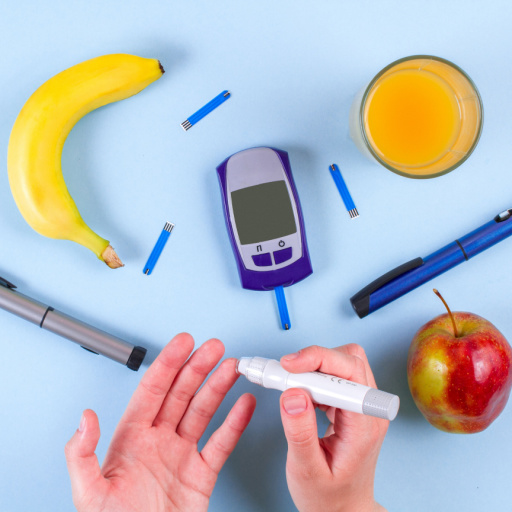
Understanding Diabetes and Blood Sugar Control
Diabetes is a condition in which a person cannot properly control blood sugar (glucose) levels. People with diabetes have a problem producing enough insulin or the body not responding appropriately to insulin. Carbohydrate foods raise blood sugar levels after eating, and managing the amount and speed at which glucose enters the bloodstream becomes a daily consideration for diabetics.
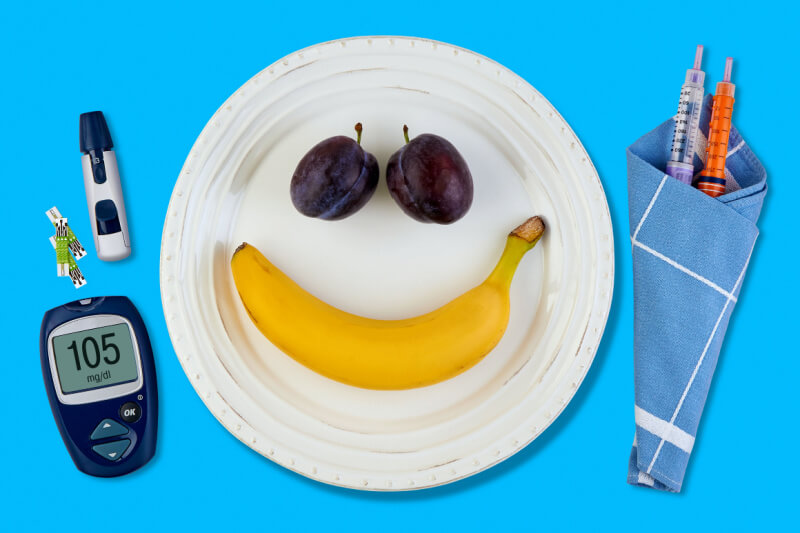
A diabetic does not need to avoid carbohydrates completely; rather, they must learn to manage the amount and the rate at which glucose enters their bloodstream with diabetes-friendly foods. Food selection, serving size, amount of fibre in the food, and meal combinations are very important factors in determining how quickly and how much glucose enters the bloodstream after consuming carbohydrate foods. Making smart food choices will help people with diabetes avoid spikes and crashes in their blood sugar levels and thus maintain their energy levels throughout the day. This further helps in preventing long-term complications associated with uncontrolled high blood sugar levels.
With adequate awareness and balance about the best and worst foods for diabetes, blood sugar control will be manageable and won’t be overly restrictive.
Nutritional Value of Banana: Sugar, Carbs, Fibre & GI
Bananas are very nutrient-dense. But many people wonder is banana good for diabetics, because of the natural sugar and carbohydrate content in them, raising the question. The table below will help you understand a banana’s fibre levels and glycaemic index (GI) and answer the question “Is banana good for diabetic people?”
| Nutrient (per medium banana ~118g) | Approx. Value |
| Total carbohydrates | ~27 g |
| Natural sugars | ~14 g |
| Dietary fibre | ~3 g |
| Glycaemic Index (GI) | 42–62 (low-to-medium) |
Thanks to fibre and resistant starch, especially in less ripe bananas, the glucose absorption is quite slower compared to other fruits. So, if you had the question, can diabetics eat bananas, yes, they can. However, the ripening process increases the GI, so the ripeness and amount should be consulted with your physician or nutritionist.
Best Way for Diabetics to Eat Bananas
For people with diabetes, it is how you consume bananas that matters the most. Consuming the correct amount and what you eat it with will offer your body a balanced nutritional boost, and keep you healthy. The following ways will help you in this:
Eat in moderation
Eat your banana in small portions. Eating one small banana (or half a medium one) will reduce the carbohydrates eaten at one time and help avoid a sudden spike in your blood sugar levels.
Pair bananas with protein or healthy fats
If you eat a banana along with either nuts, peanut butter, yoghurt, or a few seeds, it slows down the digestion of the fruit due to added fat or protein. This will lead to a more stable level of blood sugar.
Choose small or slightly unripe bananas
Bananas that are firmer or slightly green have more resistant starch (which is a type of carbohydrate) than a banana that is fully ripe and will have a less significant effect on your blood sugar. The choice of small bananas should be the preferred method for controlling your blood sugar.
Who Should Avoid or Limit Eating Bananas?
While bananas are a diabetes-friendly food, you should be more cautious in consuming them if you fall under the following categories:
- People who have poorly controlled diabetes: If a person’s blood sugar levels spike frequently or if their HbA1c is significantly above the normal range, the addition of starchy or sugary fruits will raise blood sugar levels even further if portion sizes are not controlled.
- People who have insulin resistance or prediabetes: For these individuals, the consumption of a large or overripe banana can lead to a rapid increase in glucose levels due to the high sugar content, particularly if consumed by itself.
- People who follow a low-carbohydrate or ketogenic diet: Due to its relatively high carbohydrate content, bananas may not fit into a low-carbohydrate or ketogenic meal plan.
- People who have kidney disease/issues: Due to the high potassium content of bananas, consuming them in excess could have negative effects in individuals with kidney disease, particularly in those with advanced stages of disease.
For individuals in any of the above groups, controlling portion sizes, timing, and combining foods will make a significant difference in their health, or bananas should be restricted altogether.
Managing Sugar Cravings for Diabetics
It is common to crave sugar-free sweets for diabetes, and going for more sweet fruits to satiate those cravings. While bananas aren’t bad for diabetics, you should always be mindful of the portion size, ripeness, and how you are eating them. The key to keeping it safe for diabetics is being aware and not restricting themselves. Activ Living Community encourages you to make smarter, everyday food decisions.
FAQs on Bananas and Diabetes
Yes, bananas can raise blood sugar due to natural sugars and carbs, but fibre helps slow the rise when eaten in moderation.
Yes, they can, as long as portion sizes are controlled and bananas are paired with protein or healthy fats.
Yes, when eaten mindfully, bananas can be part of a balanced diabetes-friendly diet.
Usually, one small banana, or half a medium banana, per day, is considered safe. It is recommended to avoid consuming multiple servings of high-carb fruits in a single day to maintain stable glucose levels.
Stay healthy with the Activ Living Community – your everyday health expert. Stay tuned for more lifestyle and mindfulness-related information.
Popular Searches
Diabetes Friendly Food | Plant Based Protein | Heart Attack Vs Cardiac Arrest | Diabetic Skin Conditions | Heart Attack Recovery | Breakfast For Heart Patients | Benefits Of Walking | Constipation | How To Get Good Sleep | High BP In Young Adults | Diet Plan To Loss Weight | Body Fat Percentage | Health Trends | AQI In Winter | Citrus Fruits | AI And Mental Health | Is It Good To Skip Breakfast | Everyday Habits For Health | How Body Processes Food | Is Raisin Good For Thyroid | Warm Water Vs Cold Water | Benefits Of Gond Katira | Health Checkups After 30s | VO2 Max | Smoking In Your 20s Vs 40s