Home Finance
 Personal Finance
 SME Finance
 Loan Against Securities
 Business
 Mutual Funds
 Stock and Securities
 Portfolio Management Services
 Pension Funds
 Real Estate Investments
 Life Insurance
 Health Insurance
 Multiply Wellness
 Motor Insurance
 Travel Insurance
 Pay Bills
 Pay anyone
 Pay on call
 Payment Lounge
 ABC Credit Cards



 1800-270-7000

 ENG
ENG 


Papayas, or papaws, contain several nutrients, including potassium, magnesium and other anti-oxidants. Incorporating it into your diet can help reduce the risk of diabetes and certain heart conditions.
Understanding diabetes
Diabetes is a medical condition that raises blood sugar levels as your body stops producing insulin properly. Insulin is a hormone that carries glucose from your blood to various body cells for energy. Many factors, including genetics, age and diet, can cause diabetes. A healthy and balanced diet with whole grains, fruits and veggies can aid in the prevention of diabetes.
As they are digested slowly, they gradually release glucose in your blood, stopping your blood sugar levels from spiking. One such example of a food is papaya. It is low in calories but high in nutrients like vitamins and fibres, aiding people with its several health benefits.
Is papaya good for diabetes?
 Papayas contain enzymes called papain and chymopapain, which aid in breaking down carbohydrates, proteins and fats into easily digestible forms, preventing a rise in blood sugar levels. If you are wondering – “Is papaya good for diabetes?” the answer is yes. They have a low glycemic index (GI) of 60, which suggests they will not raise blood sugar levels. In addition, it provides a hypoglycemic effect, a condition where your blood sugar level is lower than the expected normal. Papayas also contain flavonoids that aid in regulating blood sugar levels. Still, how one’s body reacts to papaya can change from one person to another. Therefore, consult with a health professional before adding papayas to your diet.
Glycemic Index (GI), Glycemic Load (GL) & Sugar Content of Papaya
Glycemic Index (GI
The Glycemic Index (GI) measures the rate at which foods cause an increase in your blood sugar levels (0–100). Higher GI foods produce a larger and faster spike in blood sugar levels.
Glycemic Load (GL)
The Glycemic Load (GL) takes into account both the GI and the amount of food consumed (portion size). Therefore, the Glycemic Load will provide more detailed information about how a specific quantity of food affects your blood sugar levels.
In combination, the GI and GL assist individuals diagnosed with diabetes in selecting foods that help maintain stable blood sugar levels.
Papaya is considered a friendly fruit for blood sugar management. It is characterised by a moderate amount of natural sugar and a favourable Glycemic Index (GI) and Glycemic Load (GL).
An average serving of fresh papaya (about 145 grams or 1 cup) contains approximately 11 grams of natural sugar.
Research indicates that the GI of papaya is typically moderate, with values ranging from 58 to 61 for the ripest fruit, depending on the source from which it was obtained.
Due to the high water and fibre content of this fruit, the Glycemic Load of papaya is low; therefore, even a moderate-sized serving of papaya will not create rapid increases in blood glucose levels. So if you are wondering “Is papaya good for diabetes?”, then the answer is yes.
Here’s all you need to know about a typical serving of a Papaya:
| Metric (fresh papaya) | Value (per 100 g) / Typical Serving* |
| Glycemic Index (GI) | ~ 58–61 (Medium) |
| Glycemic Load (GL) | ~ 5–6 (Low) |
| Natural Sugar | ~ 7–8 g (100 g) / ~ 11 g (1 cup) |
| Calories | ~ 43–48 kcal (100 g) |
Its effect on blood sugar levels
A diabetic person lacks the regular insulin required to digest glucose effectively, resulting in the accumulation of glucose in the bloodstream. While some people take medication to control blood sugar, others manage high blood sugar and diabetes with regular exercise and a healthy diet. It is well-known that people with type-1 diabetes who consume papaya and a high-fibre diet have low blood glucose levels. People with type-2 diabetes may also experience improved blood sugar, lipid and insulin levels after regular papaya consumption.
How Much Papaya Can a Diabetic Eat Per Day?
Most diabetics can safely eat 1 small bowl of papaya per day (about 100-120 grams), depending on their sugar control and meal balance. This is roughly equal to 8-10 medium-sized cubes of fresh papaya. Because papaya has a low glycemic load, it can fit well into a diabetic diet when eaten in controlled portions and paired with other nutritious foods. Always check post-meal sugar levels to understand personal tolerance.
So, can diabetics eat papaya without having to worry about their blood sugar? Refer to this chart to find where you fit.
| Diabetes Type | Recommended Amount | Notes |
| Type 1 | 1 small bowl (100 g) | Pair with protein; track post-meal glucose. |
| Type 2 | 1 small bowl (100–120 g) | Avoid overly ripe papaya; keep overall carbs balanced. |
| Prediabetes | 1 medium bowl (120 g) | Supports fibre intake; include as part of a balanced meal. |
| Gestational Diabetes | ½ small bowl (60–80 g) | Choose firmer papaya; monitor sugar response closely. |
Nutritional composition of papaya
Here is a detailed nutritional composition of one small papaya:
- Calories: 67
- Carbs: 15 grams
- Protein: 1 gram
- Fat: 0.2 gram
- Dietary fibre: 2.67 grams
- Potassium: 286 milligrams
- Vitamin C: 106% of your daily value
- Magnesium: 33 milligrams
- Calcium 31 milligrams
Best Time to Eat Papaya for Better Blood Sugar Control
Here are a few tips to eat papaya to regulate your blood sugar:
- You can eat papaya as a mid-morning snack when your body is actively burning fat and blood sugar levels are the most stable.
- If you experience rapid rises in your blood sugar after eating papayas or any fruit when your stomach is empty, pair them with other foods such as nuts or yoghurt to help regulate your blood sugar.
- You can monitor your blood sugar levels 2 hours after eating for about 7 consecutive days to determine how well your body tolerates your food intake timings; you may need to adjust your portion sizes accordingly.
Other health benefits of papaya
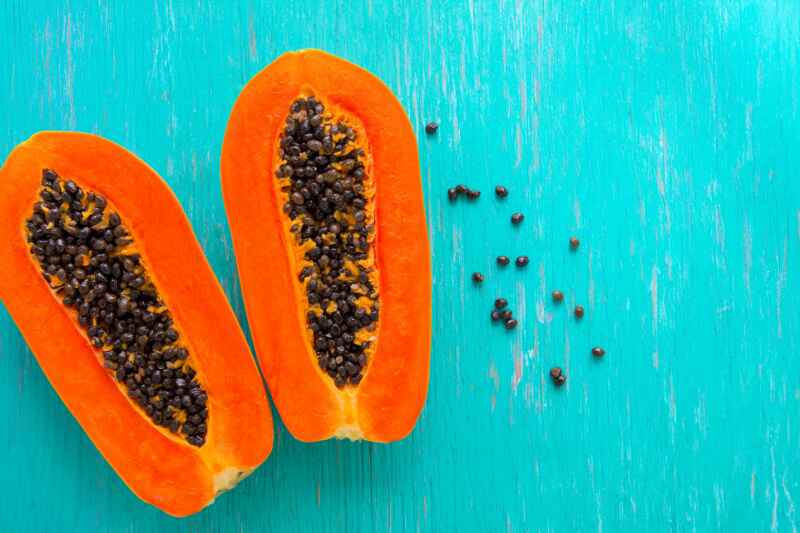 Here are some of the significant health benefits of papaya for diabetes:
Rich in antioxidants:
Papaya has a rich Vitamin C and A content, which act as powerful antioxidants that help reduce the risk of complications such as heart disease and vision problems.
High in fibre:
Papaya contains fibre that helps regulate and maintain your blood sugar levels as it slows down the absorption of sugar into your blood. It also smoothens your bowel movements and stops constipation, which is vital for diabetes patients.
Supports digestion:
Papaya includes an enzyme called papain, which also aids in digestion. Papaya is also very high in fibre and water, which stop constipation and promote a regular bowel system.
While choosing papayas to eat, select fresher ones with reddish-orange skins. Scoop out the seeds to enjoy the fruit and its benefits to the fullest. However, women with gestational diabetes should restrict the consumption of unripe and semi-ripe papayas, as papain can cause uterine contraction.
Key Takeaways
- Diabetes is a medical condition that leads to elevated blood sugar levels due to the body’s inability to produce insulin effectively.
- Papayas have a low glycemic index (GI) of 60, which means they do not significantly increase blood sugar levels.
- Additionally, they are rich in antioxidants and fiber, making them beneficial for digestion.
Stay tuned to the Activ Living Community. Keep up to date with the latest health tips and trends through expert videos, podcasts, articles, and much more in nutrition, fitness, mindfulness, and lifestyle conditions like Asthma, Blood Pressure, Cholesterol, and Diabetes.
You may also be interested in the following blogs:
- 4 Coconut Health Benefits: The Natural Path To A Stronger, Healthier You
- How Does Coconut Water Help Lower High Blood Pressure? Know The Science
Frequently Asked Questions
No, papaya has a low glycemic load, which helps prevent sudden blood sugar spikes.
Yes, papaya can be included in a prediabetic diet due to its fibre and nutrient content.
Slightly ripe papaya is generally a better option as it contains balanced natural sugar levels.
Yes, papaya contains papain and fibre that support healthy digestion and bowel movements.
It is usually better to eat papaya during the daytime to support better digestion and sugar regulation.
Popular Searches
Diabetes Friendly Food | Plant Based Protein | Heart Attack Vs Cardiac Arrest | Diabetic Skin Conditions | Heart Attack Recovery | Breakfast For Heart Patients | Benefits Of Walking | Constipation | How To Get Good Sleep | High BP In Young Adults | Diet Plan To Loss Weight | Body Fat Percentage | Health Trends | AQI In Winter | Citrus Fruits | AI And Mental Health | Is It Good To Skip Breakfast | Everyday Habits For Health | How Body Processes Food | Is Raisin Good For Thyroid | Warm Water Vs Cold Water | Benefits Of Gond Katira | Health Checkups After 30s | VO2 Max | Smoking In Your 20s Vs 40s