Home Finance
 Personal Finance
 SME Finance
 Loan Against Securities
 Business
 Mutual Funds
 Stock and Securities
 Portfolio Management Services
 Pension Funds
 Real Estate Investments
 Life Insurance
 Health Insurance
 Multiply Wellness
 Motor Insurance
 Travel Insurance
 Pay Bills
 Pay anyone
 Pay on call
 Payment Lounge
 ABC Credit Cards



 1800-270-7000

 ENG
ENG 


Detox lungs for heavy smokers
Here are some of the effective strategies that you can employ to detox your lungs.
Regular exercise

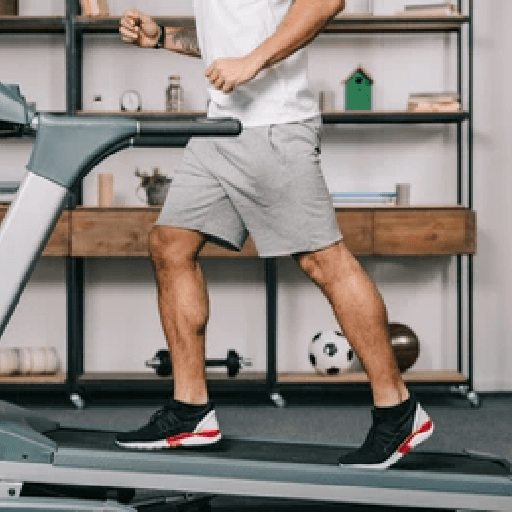
Exercising regularly increases lung capacity, respiratory muscle strength, and circulation, and the body is able to utilise oxygen better. In smokers or ex-smokers, aerobic exercise such as a brisk walk, cycling, or swimming helps in clearing the mucus and enhances endurance in breathing with time. The exercise also lowers the inflammation levels and improves the overall cardiovascular well-being, which has a direct positive effect on lung functionality. It is important to begin slowly and create consistency, particularly when breathing seems limited at first.
Eat Anti-Inflammatory Foods
An anti-inflammatory diet can be used to minimise the effects of irritation in the airways and facilitate the recovery of lung tissue. Smoke and pollution-induced oxidative stress can be reduced by fruits, vegetables, nuts, seeds, whole grains, and foods that are rich in omega-3. Foods rich in antioxidants will help in the natural process of detoxification in the body, and sufficient protein will aid in the healing of the tissues. This is how to clean your lungs and how to detox lungs in the most efficient way. A balanced, nutrient-dense diet is a complement to lifestyle modifications for enhancing lung health.
Steam Therapy
Inhalation of steam may be used to loosen mucus, calm swollen airways, and relieve breathing pain. The warm, moist air aids the secretions to be thinned out so that it is easy to loosen some congestion by coughing. Although steam therapy does not clean the lungs, it may have a temporary effect on the symptoms, particularly when the lungs are congested or when smoke is inhaled. This is a practical method of how to cleanse lungs of surface irritants. It must be administered with a lot of caution so that it does not cause burns and should not take the place of medical treatment.
Practise Breathing Exercises
Breathing exercises make the respiratory muscles more robust and enhance the efficiency of the airflow. The diaphragmatic breathing and pursed-lip breathing are techniques that can be used to clear the trapped air in the lungs, hence breathing becomes less laboured. The routine practice has the potential to enhance breath control, minimise breathlessness during exercise, and facilitate relaxation, which helps in improving general lung functioning. These activities are particularly beneficial when the person is on their way back to fitness following the end of smoking or respiratory disease.
Stay Hydrated
Increased fluid intake maintains a thin consistency of mucus, making it easier for the lungs to eliminate irritants and pollutants. Sticky, thick mucus is more difficult to cough up and may aggravate congestion and coughing. Fluid consumption supports the body’s natural mechanisms for airway clearance and helps keep the respiratory linings moist. Regular hydration helps to keep the whole body moving and the tissues healthy, which indirectly helps the respiratory recovery.
Controlled Coughing Techniques
The use of controlled coughing is useful in the mobilisation and clearance of mucus along the airways with minimal strain. Deep, slow breathing with light, intentional coughs can help the secretions to be pushed upwards and to enhance the clearance of the airways. The method promotes improved breathing ease, particularly among individuals with congestion that is long term. It is to be practised slowly and should be stopped in case it produces dizziness, chest pain, or aggravation of symptoms. If you were wondering how to detox lungs for smokers, this is one of the ways that will help you the most in rejuvenating your lung health.
Can You Really Detox Your Lungs?
Your lungs can not be detoxed, like your body is with a juice cleanse. There is an inbuilt cleaning mechanism in your lungs that uses cilia (hair-like structures) and immune cells to eliminate mucus, dust, and toxins. The only thing you can do now is to facilitate this natural repair process and remove smoke exposure, enhance the quality of the air, keep hydrated, and be physically active. In the long run, inflammation is decreased, clearing of mucus is enhanced, and the efficiency of the lungs is raised. True lung recovery is about assisting healing, rather than hacks or overnight resolves.
What Happens to Your Lungs After You Quit Smoking?

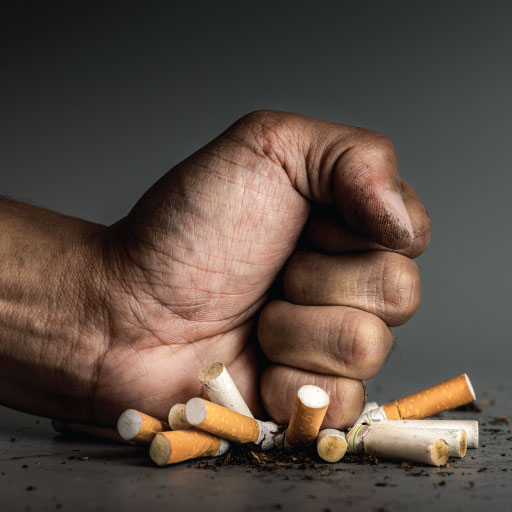
As soon as you stop smoking, your lungs start repairing as well. Within 24 hours, the oxygen level increases and the concentration of carbon monoxide decreases to normal. Within weeks, broken cilia begin to grow, which clears the mucus and trapped toxins. People have reported coughing more often because their lungs are awakened, and they cough up debris. After several months, inflammation subsides, breathing is less difficult, and the risk of infection decreases. The benefit of long-term quitting is a reduction in the rate of lung function decline and decreased risk of COPD and lung cancer. Although it is impossible to always undo the severe damage, quitting greatly recovers the functioning and safeguards the future lung health.
How to Protect Your Lungs from Pollution
Pollution silently damages lung tissue, causes inflammation, and deteriorates breathing in the long run on a daily basis. Although there is no way to control the quality of air outside, you can limit the amount of pollution that gets into your lungs with clever, regular practices. The solution to protecting your lungs lies in reducing exposure and enhancing the respiratory system, as well as designing a cleaner indoor space.
Real-life measures to mitigate the effects of pollution:
- Monitor the air quality and avoid outdoor activities during high pollution days.
- Wear masks in the busy and dusty streets.
- Ventilating or purifying indoor air.
- Avoid smoking or inhaling secondhand smoke.
- Consume antioxidant foods and drink plenty of water.
These small defences, when practised regularly, can build long-term lung resilience.
Signs You Should See a Doctor
Do not disregard breathing difficulties that are persistent or getting worse; early medical assistance can avoid permanent damage to the lungs. Certain symptoms are indicators of underlying infection, chronic or pollution-related damage, which require medical examination.
See a doctor if you notice:
- Chronic cough that has lasted for over 3 weeks.
- Dyspnea in unstrenuous exercise.
- Wheezing, tightness of the chest or chest pain.
- Coughing up blood or thick and coloured mucus.
- Recurrent viral infections of the respiratory system.
- Instances of sudden fatigue or weight loss for unexplained reasons.
Early identification will help you avoid severe complications.
How to Build Long-Term Lung Health?
Well-developed lungs are not developed with a special one-time detox program. Stability lowers inflammation and enhances the exchange of oxygen, and decelerates lung ageing.
Lifestyle habits that promote a healthy lung life:
- Be smoke-free and avoid secondhand smoke.
- Regular physical activity increases lung capacity.
- Use techniques of deep breathing.
- Maintain clean indoor air.
- Consume anti-oxidant-rich, anti-inflammatory foods.
- Observe regular vaccinations and medical examinations.
The current sustainable habits make for better lungs in the future.
Key Takeaways
- Over time, environmental pollutants, lifestyle choices, and infections can impair lung function, resulting in a buildup of toxins.
- When the lungs are affected by infections, their ability to transport oxygen efficiently may decrease, causing fatigue and reduced physical stamina.
- To help detoxify your lungs, ensure you exercise regularly, eat a balanced diet, and stay hydrated.
FAQs
Limit the use of smoke, keep hydrated, exercise, practice breathing exercises and maintain a good indoor air quality at all times.
The first improvement begins within hours, and the recovery of the lungs begins in weeks or months and continues throughout a lifetime.
Part of the damage cannot be reversed, but by cessation of use, lung functioning will improve greatly and reduce the risk of disease in the long term.
There are no immediately effective detox routes. You must quit smoking, drink plenty of water, exercise regularly, and facilitate natural lung cleaning.
Steam can facilitate the clearing of the congestion and the movement of mucus, but it does not eliminate toxins in the lung tissue.
Leafy greens, berries, citrus fruits, garlic, turmeric, and omega-3 foods help in maintaining lung health.
Symptoms may include frequent shortness of breath, chronic coughing, tightness in the chest, wheezing, or frequent pneumonia.
Stay tuned to the Activ Living Community. Keep up to date with the latest health tips and trends through expert videos, podcasts, articles, and much more in nutrition, fitness, mindfulness, and lifestyle conditions like Asthma, Blood Pressure, Cholesterol, and Diabetes.
You may also be interested in the following blogs:
Popular Searches
How to lower blood pressure | Fruits good for liver | Unhealthy foods | Ragi Benefits | Basal Metabolic Rate | Acupressure points for High Blood Pressure | Ayurvedic medicine for blood pressure | How to control cholesterol at home | Homeopathy for Asthma | Biological Age | Home remedies for TB | Natural beta blockers | Negative effects of internet | Types of walking | Blood pressure calculator | Blood sugar calculator | BMI Calculator