Home Finance
 Personal Finance
 SME Finance
 Loan Against Securities
 Business
 Mutual Funds
 Stock and Securities
 Portfolio Management Services
 Pension Funds
 Real Estate Investments
 Life Insurance
 Health Insurance
 Multiply Wellness
 Motor Insurance
 Travel Insurance
 Pay Bills
 Pay anyone
 Pay on call
 Payment Lounge
 ABC Credit Cards



 1800-270-7000

 ENG
ENG 


Ageing is a gradual process. Strength, balance, and energy levels do not change overnight, but small shifts happen over the years. What often makes the biggest difference is daily routine. Regular movement plays a quiet yet powerful role in how the body functions later in life. It does not require intense workouts or complex exercises. Simple, consistent activity can help maintain comfort and independence for much longer.
A body that moves regularly tends to stay more capable. As movement decreases, stiffness and weakness gradually become more noticeable.
The Importance of Movement for Healthy Ageing
The importance of movement becomes clearer with time. Regular physical activity supports circulation, keeps joints mobile, and maintains muscle strength. Without it, everyday tasks such as climbing stairs or standing for longer periods may begin to feel tiring.
Movement also affects confidence. Being able to carry out daily activities without difficulty supports independence. This connection between physical ability and emotional well-being is central to healthy ageing.
What Happens to the Body as We Age?
Several natural changes take place as the years pass. These changes are normal, yet lifestyle choices influence how strongly they are felt.
-
Muscle Loss (Sarcopenia)
Muscle mass gradually reduces with age. This process, known as sarcopenia, can begin as early as our 30s and becomes more noticeable after midlife. Reduced muscle strength may make simple movements harder and increase the likelihood of falls. Regular strength-based activity helps slow this decline.
-
Bone Density Changes
Bones also become less dense over time. In some individuals, this may lead to conditions like osteoporosis and increase the risk of fractures. Weight-bearing exercises such as walking or light resistance work help stimulate bone tissue and support strength.
-
Reduced Mobility and Joint Stiffness
Cartilage within joints may thin, leading to stiffness. When movement becomes limited, joints may feel tight and uncomfortable. Gentle stretching and daily activity help maintain flexibility and ease of motion.
-
Slower Metabolism
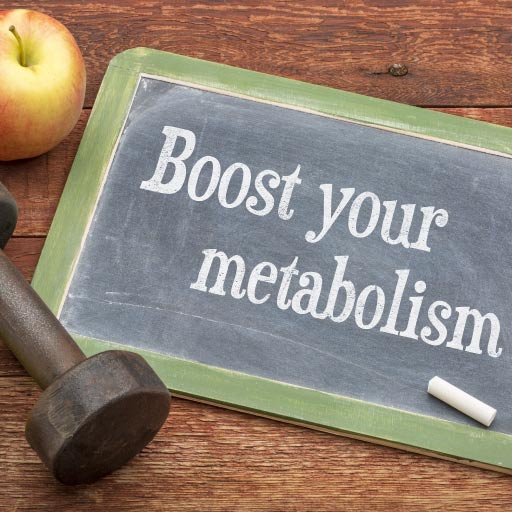
Metabolism tends to slow as muscle mass decreases. The body burns energy more slowly at rest, which can make weight management more challenging. Regular activity supports energy balance and overall health.
Benefits of Exercise for Seniors
There are many benefits of exercise for seniors, especially when activity is consistent and suited to individual ability. Physical movement supports multiple systems within the body.
-
Better Heart Health
Regular activity helps the heart pump blood more efficiently. Walking, light cycling, or swimming can support healthy blood pressure and circulation. Steady effort over time matters more than intensity.
-
Stronger Bones and Muscles
Strength-based exercises help maintain muscle tone and support bone health. Even light resistance training can improve stability and make daily tasks feel easier.
-
Improved Cognitive Function and Memory
Any form of exercise can boost the blood circulation to the brain. Studies show that older adults notice improved focus and clearer thinking, especially when they work out. Therefore, regular movement supports long-term cognitive health.
-
Enhanced Balance and Fall Prevention
Balance can become less steady over time. Simple exercises that improve stability and leg strength can lower the chance of falls. When balance improves, moving around the house or outdoors often feels safer and more comfortable.
-
Better Mood and Reduced Stress
Gentle physical activity can lift mood and reduce tension. Movement encourages the release of natural chemicals that support emotional balance. Social forms of activity, such as group walks, may also reduce feelings of isolation.
Best Exercises for Healthy Ageing
Movement for healthy ageing should feel manageable rather than overwhelming. The goal is consistency.
-
Strength Training
Light-strength exercises using resistance bands or bodyweight help maintain muscle mass. Beginning slowly and focusing on proper form reduces the risk of strain.
Also Read: 5 Core Strengthening Exercises
-
Walking
Walking is one of the simplest and most accessible activities. It supports heart health, joint mobility, and overall stamina. A regular walking habit can make a noticeable difference.
Also Read: Benefits of Short Walks for Your Mind
-
Yoga and Stretching
Stretching exercises help reduce stiffness and maintain flexibility. Gentle yoga also encourages steady breathing and relaxation.
-
Low-Impact Cardio
Swimming or stationary cycling provides cardiovascular benefits without placing excessive pressure on joints. These options are particularly helpful for those with joint discomfort.
-
Balance Exercises
Practising balance movements, such as standing on one foot while holding a stable surface, can gradually improve stability. Small improvements build confidence over time.
How Much Exercise Do Seniors Need?
There is no single number that works for everyone. Many older adults aim to stay active at least 150 minutes (about two and a half hours) across the week, which can be split into short daily sessions. A bit of light strength work, a couple of times weekly, is useful too. The main focus should be comfort and consistency. Starting small and increasing slowly usually works best.
How to Build a Sustainable Movement Routine
A sustainable routine begins with realistic expectations. Choosing activities that feel enjoyable increases consistency. Setting aside specific times during the week helps create structure.
Listening to physical signals is equally important. Mild muscle soreness can occur when beginning, but persistent pain should not be ignored. Rest days allow recovery and prevent overexertion. Long-term consistency matters far more than short bursts of intense effort.
When to See a Doctor
Before starting any new exercise routine, it is sensible to speak to a doctor if there is a history of heart problems, arthritis, diabetes, or any long-term health condition. It is also important to stop and seek medical advice if activity causes chest pain, strong breathlessness, dizziness, or joint pain that does not settle. Getting proper advice helps make sure exercise remains safe and suitable.
Embracing Movement for a Healthier Future
Growing older does bring changes to the body, but staying inactive can make those changes harder to manage. Regular movement helps keep the body steady, flexible, and strong. Even small amounts of activity done consistently can make daily life feel easier. Moving a simple part of the routine can help maintain comfort, confidence, and overall well-being over time.
Also Read: A Guide to Longevity
Frequently Asked Questions
Regular movement helps maintain strength, flexibility, balance, and independence as people age.
Exercise keeps joints flexible, strengthens muscles, and makes everyday movements easier.
It supports heart health, bone strength, mobility, balance, and overall well-being.
Simple activities like yoga, tai chi, and standing balance exercises can improve stability.
Yes, daily walking helps improve cardiovascular health, stamina, and joint mobility.
Movement helps preserve physical function, reduces stiffness, and supports independent living.
Most seniors should aim for at least 150 minutes of moderate physical activity per week.
Yes, strength training helps maintain muscle mass, bone health, and physical function.
Regular activity improves balance, coordination, and leg strength, helping prevent falls.
Yes, consistent physical activity can support better mobility, health, and quality of life as people age.
Popular Searches
how to lower blood pressure | surya namaskar steps | acupressure points for high blood pressure | homeopathic medicine for asthma | lymphocytes low | basal metabolic rate | acupressure points for diabetes | what is the fastest way to cure tb? | is beetroot good for diabetes | hemoglobin rich food | how to remove gas from stomach instantly home remedies | ayurvedic treatment for asthma | iron rich foods vegetarian indian | is watermelon good for diabetes | ayurvedic medicine for high bp | home remedies for cholesterol control | alkaline foods | burning 300 calories a day | homeopathy vs allopathy | is mango good for diabetics | types of asanas | is coconut water good for high blood pressure | 5 important things you should avoid during periods | is papaya good for diabetes | thyroid homeopathy medicine name | fruits good for liver | 30-30-30 weight loss rule | muskmelon benefits | how many bananas can a diabetic eat a day | surya namaskar: 12 steps with explanation